Calendula Oil for Men: The Complete Grooming and Skincare Guide
Where calendula oil fits a man's routine and where it does not: razor bumps, beard breakouts, dry skin, one-step routines, with AAD guidance and what the studies cover.

Calendula in History: What the Records Actually Show
From garland flower to 16th-century herbals to EU traditional-use status: what the dated sources on calendula say, and which popular history claims have no source.
Calendula Oil Explained: What It Is, What Studies Cover
What calendula oil is, what is in it, what the studies actually tested, who should skip it, and how to check a bottle, written from how we make one infused oil.
Calendula Oil Composition: What Is Measured, What Is Assumed
Lists of calendula constituents describe the flower, not the bottle. What is measured in the flower, what is known about oil, and why the carrier dominates by weight.
Organic Calendula Oil: What It Means, Why It Matters & How to Choose
What 'organic' on a calendula oil label does and does not tell you: farming claim versus USDA certification, what it misses, and questions to ask any supplier.
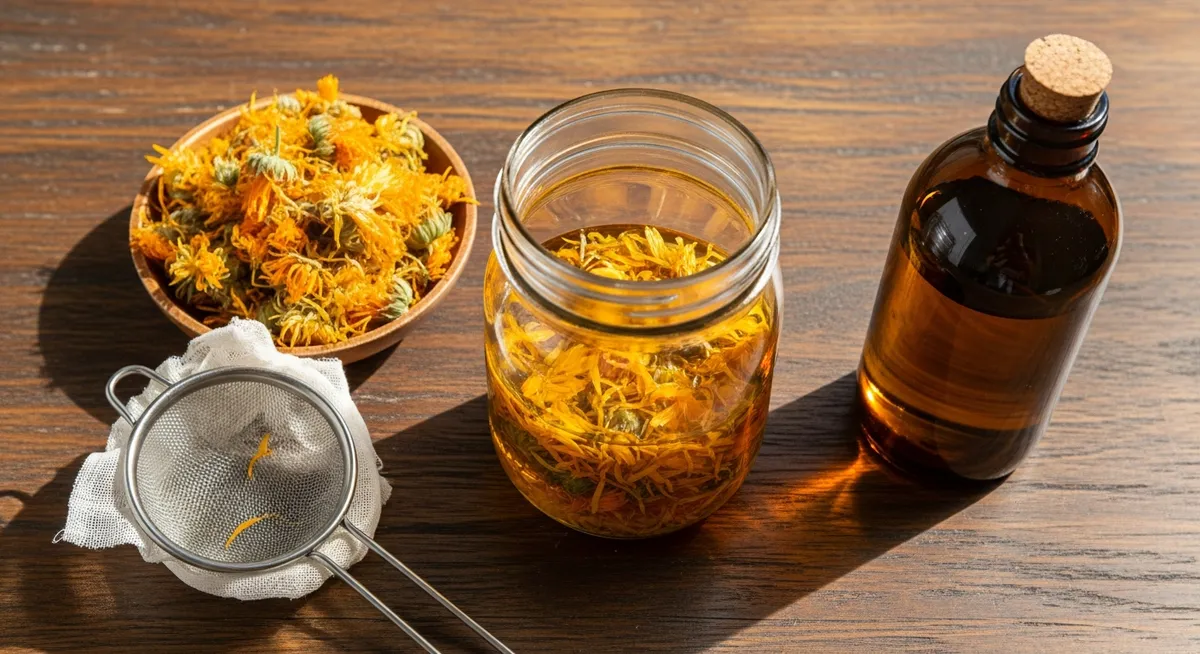
How to Make Calendula Oil at Home: Complete Infusion Guide
Step-by-step calendula oil at home with sourced ratios: dried flowers only, 1:5 to 1:10 by weight, solar or warm infusion, straining, storage, and safety limits.
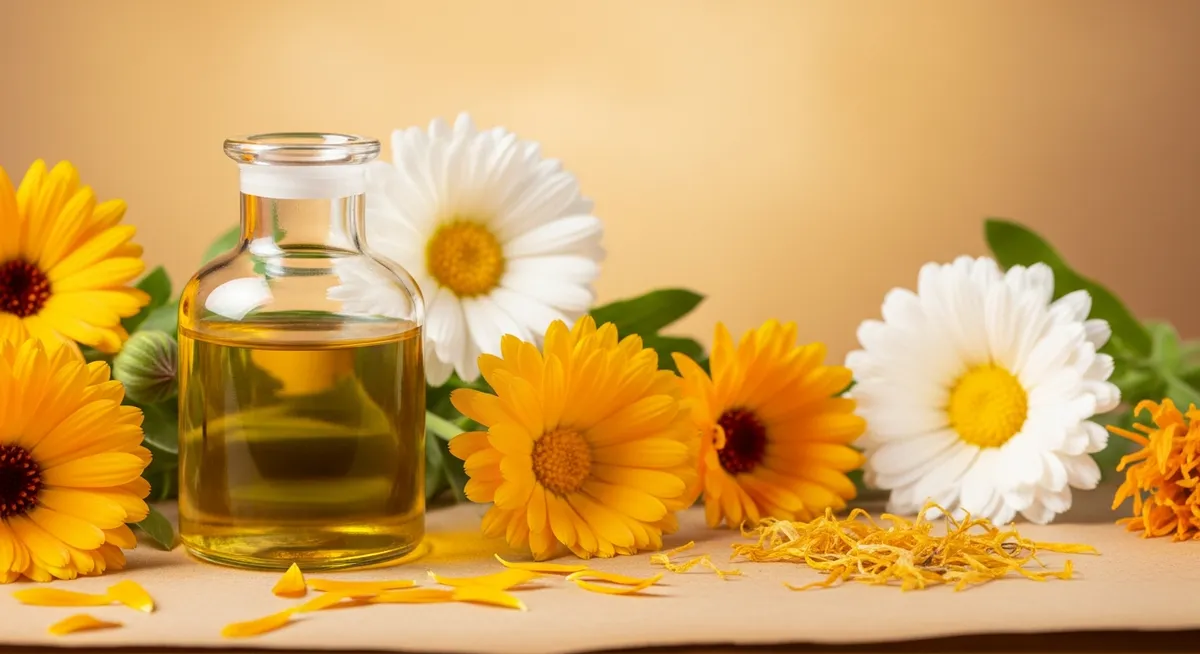
Growing & Harvesting Calendula for Oil: Gardener's Complete Handbook
Growing calendula for oil: what makes a flower good for infusing, harvest frequency, drying, realistic yields from extension and field-trial data, and where advice stops.
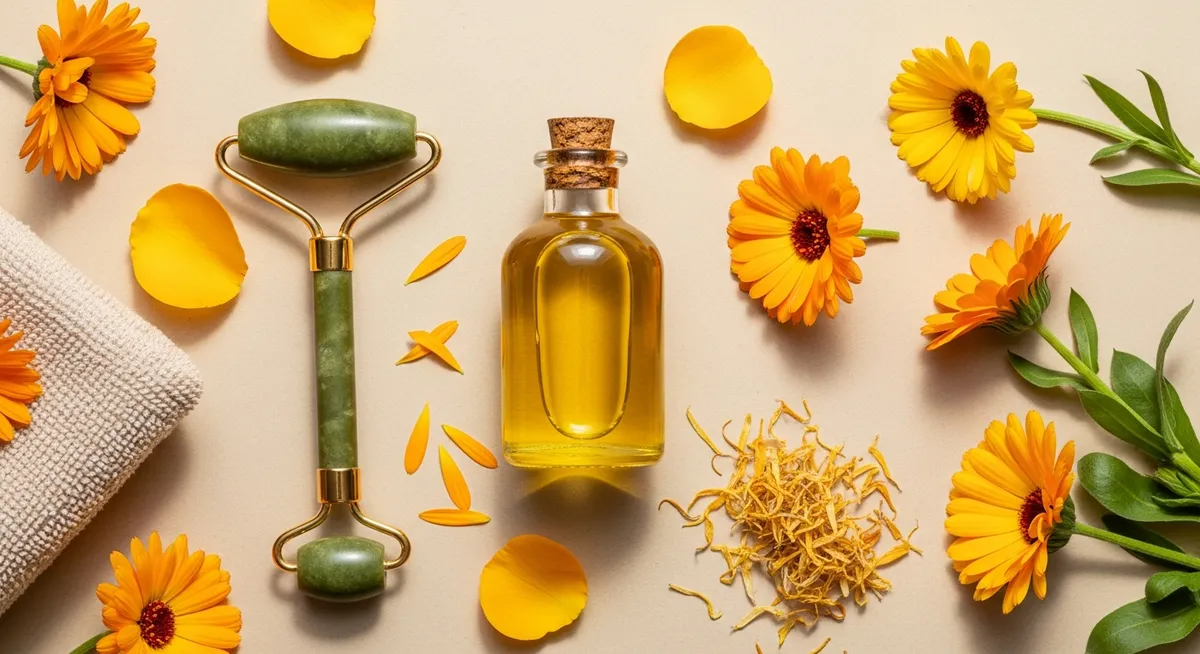
Calendula Oil for Tattoo Aftercare: Healing, Moisturizing & Color Protection
Whether calendula oil fits dermatology advice for tattooed skin, what fades ink, why oil is not sun protection, and where we would and would not use it.
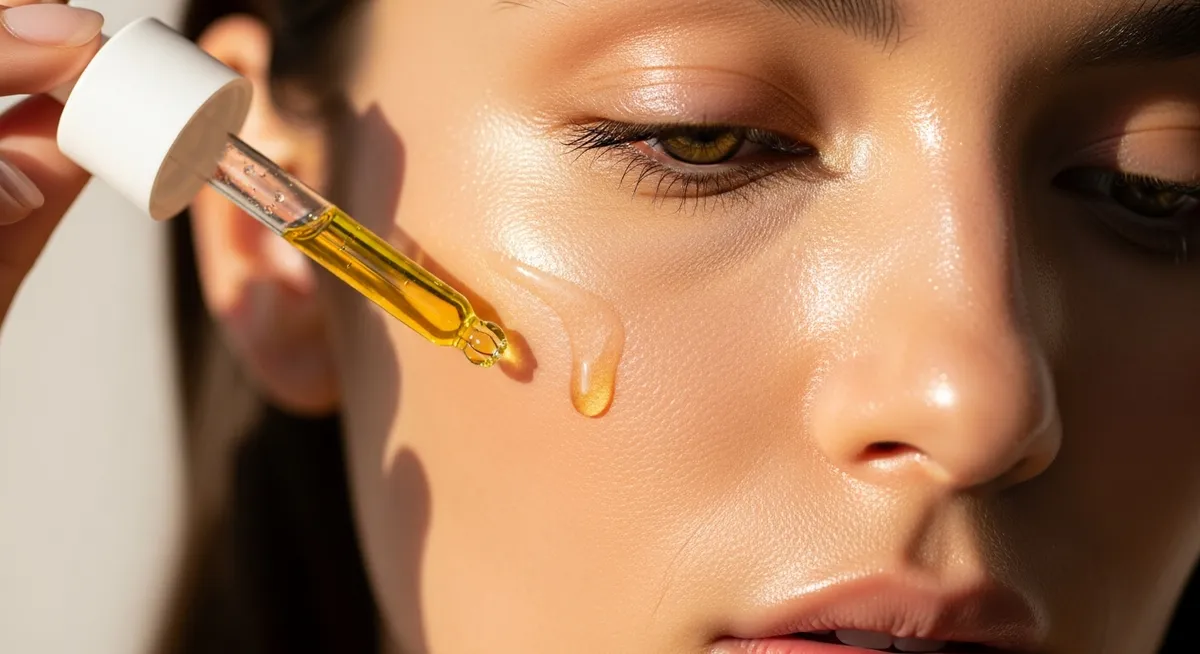
Calendula Oil for Skin: What Studies Cover and What They Skip
A goal-by-goal look at what trials of calendula on skin actually tested, in which forms, what regulators concluded, who should avoid it, and how to decide.

Using Calendula Oil in Massage: Blending, Dilution, Limits
How a massage therapist should think about calendula oil: what the evidence covers, carrier and storage questions, essential-oil dilution math, and clients to screen out.
Calendula Oil for Sunburn & Sun Damage: After-Sun Care Guide
What dermatologists advise for sunburn, what is and is not known about calendula oil after sun, why it is not sunscreen, and when a burn needs a doctor.
Calendula Oil for Lip Care: Healing Chapped Lips & DIY Lip Balm Recipes
What a dermatology group advises for chapped lips, what calendula has and has not been tested for, and the decisions that matter if you make a calendula lip balm.
Calendula Oil for Hair: What Is and Is Not Known
No trial supports calendula oil for hair growth or scalp health. What dermatologists say about hair loss, where a plain oil fits, and the risks to check.
Calendula Oil in the Treatment Room: Notes for Estheticians
Notes for licensed estheticians on calendula oil: client allergy screening, how patch testing is described, supplier questions, storage, and what claims you can make.

Calendula Oil for Dry Skin: Winter Skincare Strategy & Product Routine
Winter dry skin is a water-loss problem. Where an infused calendula oil fits in a routine, why the carrier oil matters, and when dryness needs a dermatologist.
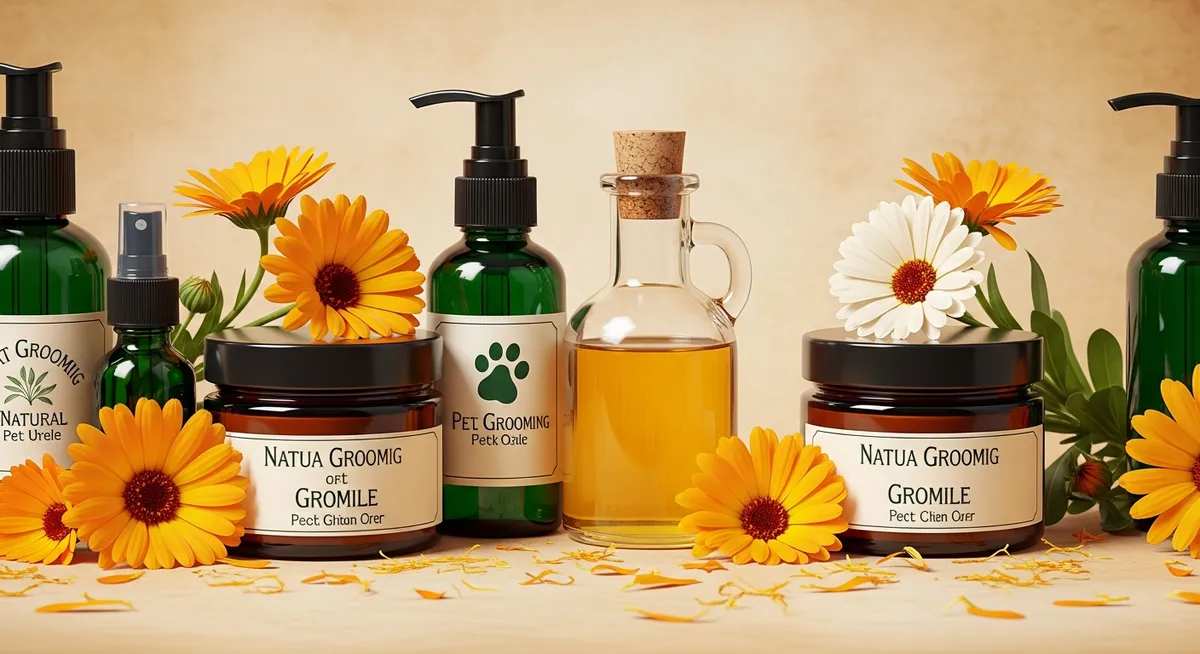
Calendula Oil and Pets: What Is and Isn't Known
ASPCA rates calendula non-toxic to dogs and cats, lists nothing for horses, and no source gives a dose for the oil. A species-by-species map and who to ask.
Calendula Oil for Acne: Natural Treatment Protocol & Product Picks
One trial tested a calendula combination serum on mask-related acne. Here is what it showed, why comedogenic ratings are shaky, and how to check for allergy first.
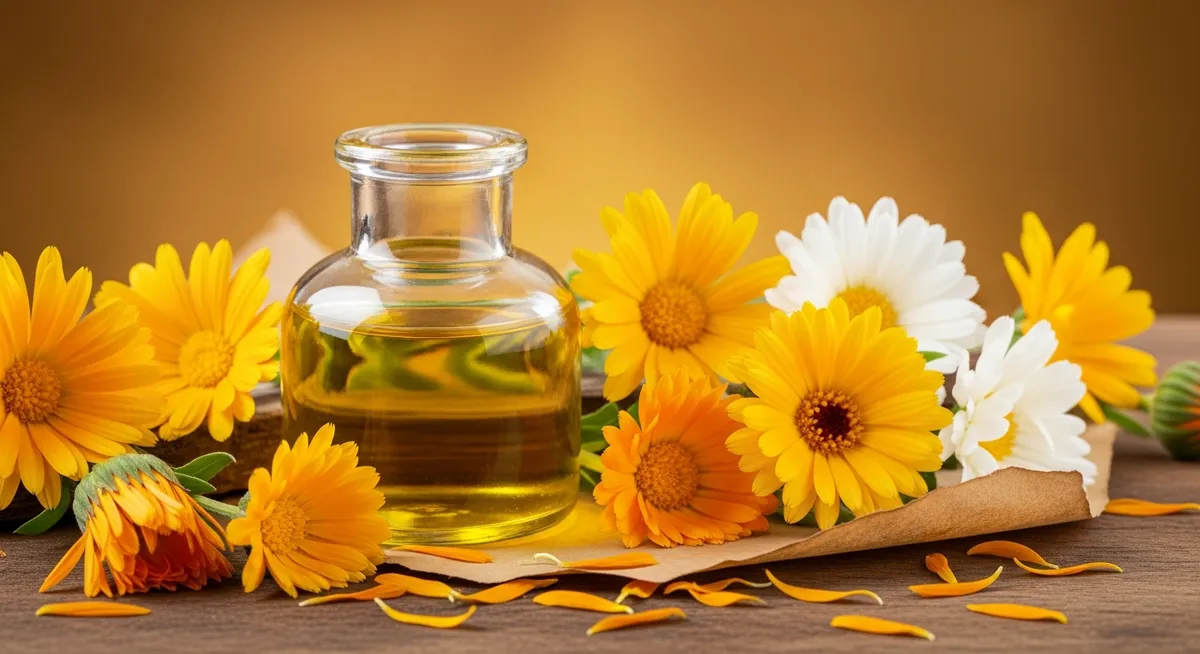
Calendula Oil Extraction Methods: Cold-Pressed vs Infused vs CO2
No one cold-presses calendula petals. What infused oil, CO2 extract, distilled oil and seed oil really are, and which label questions tell them apart.
Calendula Oil for Nail & Cuticle Care: Strengthening & Healing Guide
What dermatology advice supports for dry cuticles and splitting nails, where a calendula infused oil fits, what is untested, and when to see a dermatologist instead.

Calendula Oil and Babies: What to Ask Before You Use It
EU regulators say calendula use under age 6 is not established. What infant diaper rash trials show, what baby products list, and questions to bring to your pediatrician.
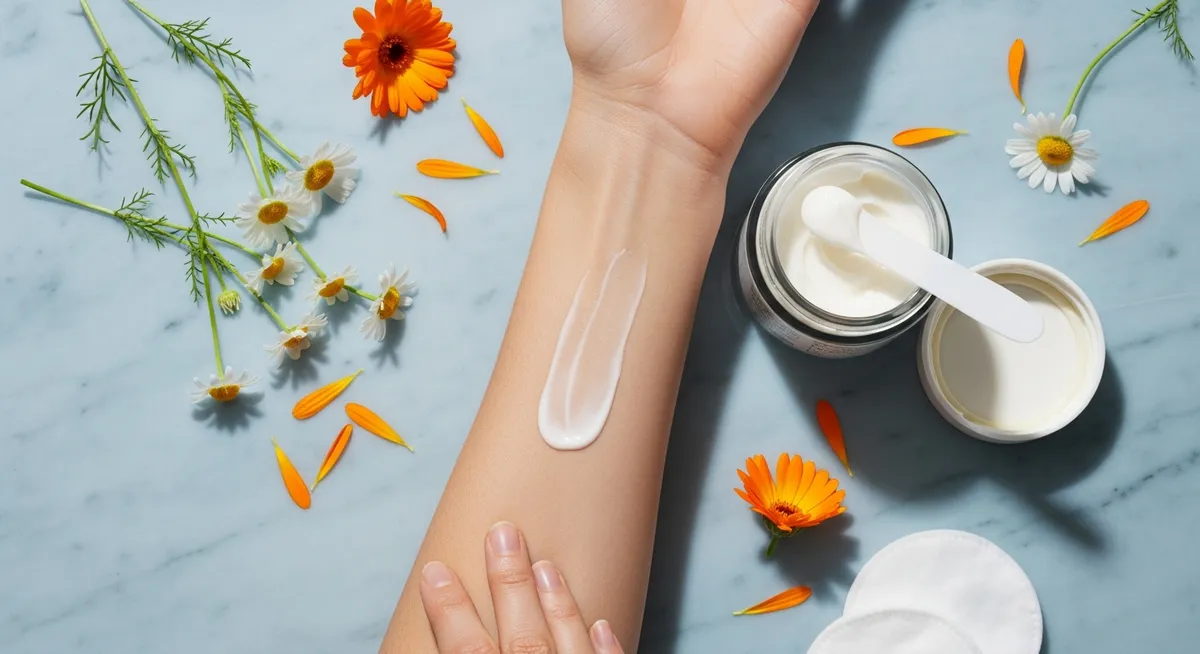
Calendula Oil for Eczema & Sensitive Skin: Evidence-Based Treatment Guide
No trial tests calendula alone on eczema, and atopic skin has a higher rate of daisy-family patch-test reactions. What the evidence shows and who should skip this oil.
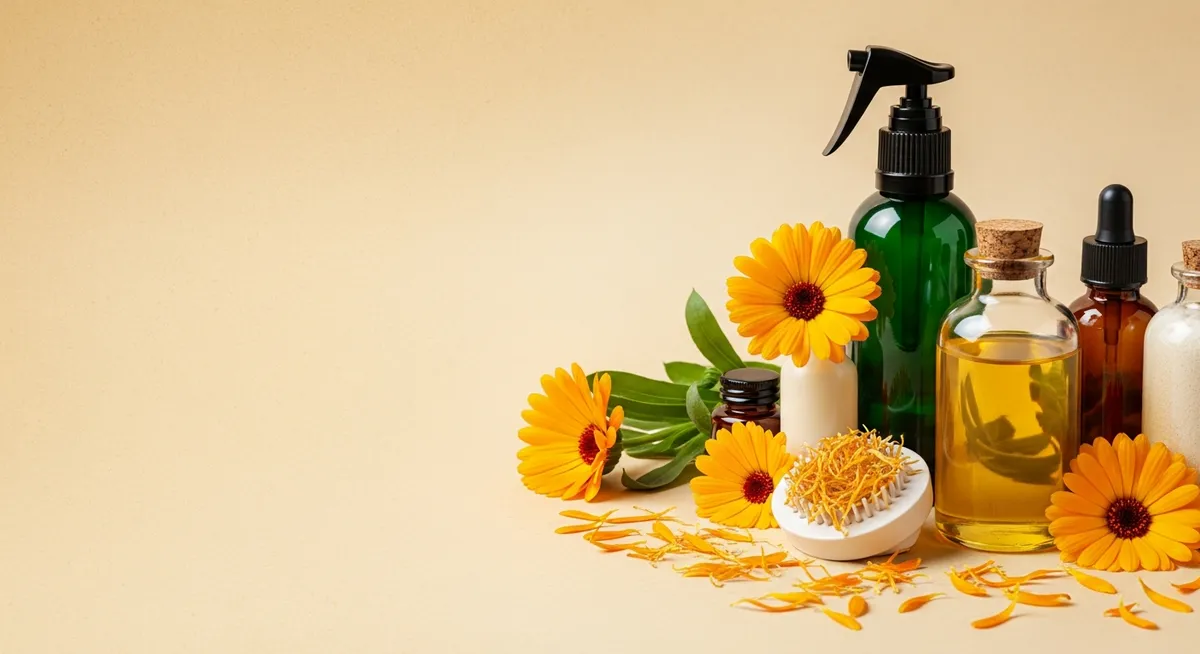
Calendula Oil Dosage & Safety: Side Effects, Allergies & Contraindications
No cosmetic calendula oil has a dose. The frequency, concentration and duration figures that exist, what they apply to, side effects, and who should ask a professional first.
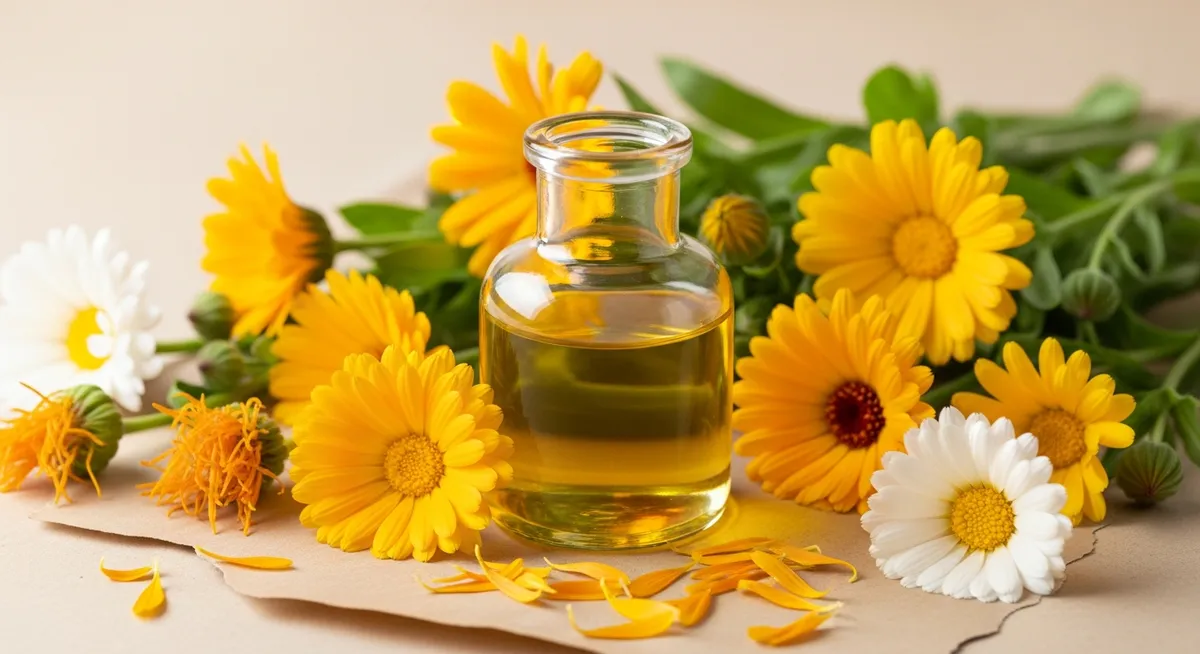
Calendula Oil in Pregnancy and Postpartum: What the Sources Say
EU, NIH and Memorial Sloan Kettering sources advise avoiding calendula in pregnancy and nursing for lack of data. What was tested after birth, and what was not.
