Can You Use Calendula Oil on Pets? Check With a Vet
Pot marigold is one of the friendlier plants in the garden when a dog or cat wanders through the bed, and that reputation is part of why people wonder about calendula oil for their animals. The plant's reputation is the easy part of the answer. What an oil does on a dog's coat, or a cat's, is a separate question, and it belongs with your veterinarian.

Calendula Oil
Our own small-batch calendula oil, in sizes from 0.5 oz to bulk.
From $13.99
Shop Calendula Oil →ASPCA and Poison Helpline ratings for pot marigold
The ASPCA's plant page for pot marigold, Calendula officinalis, rates it non-toxic to dogs and non-toxic to cats. Pet Poison Helpline agrees that calendula is considered non-toxic when eaten. Those are ratings of the plant, though, and they say nothing about an infused oil rubbed onto fur, which an animal will promptly groom and swallow. We read the ratings as good news about the flower, and we stop there.
It also pays to check the Latin name on any product that says "marigold." Pet Poison Helpline separates the two: marigolds of the genus Tagetes (African and French marigolds) can cause mild stomach irritation if eaten, and their sap can irritate skin, while Calendula officinalis is the pot marigold. A label that simply says "marigold" does not tell you which plant is in the bottle, so look for Calendula officinalis.
Calendula plants in the garden around dogs and cats
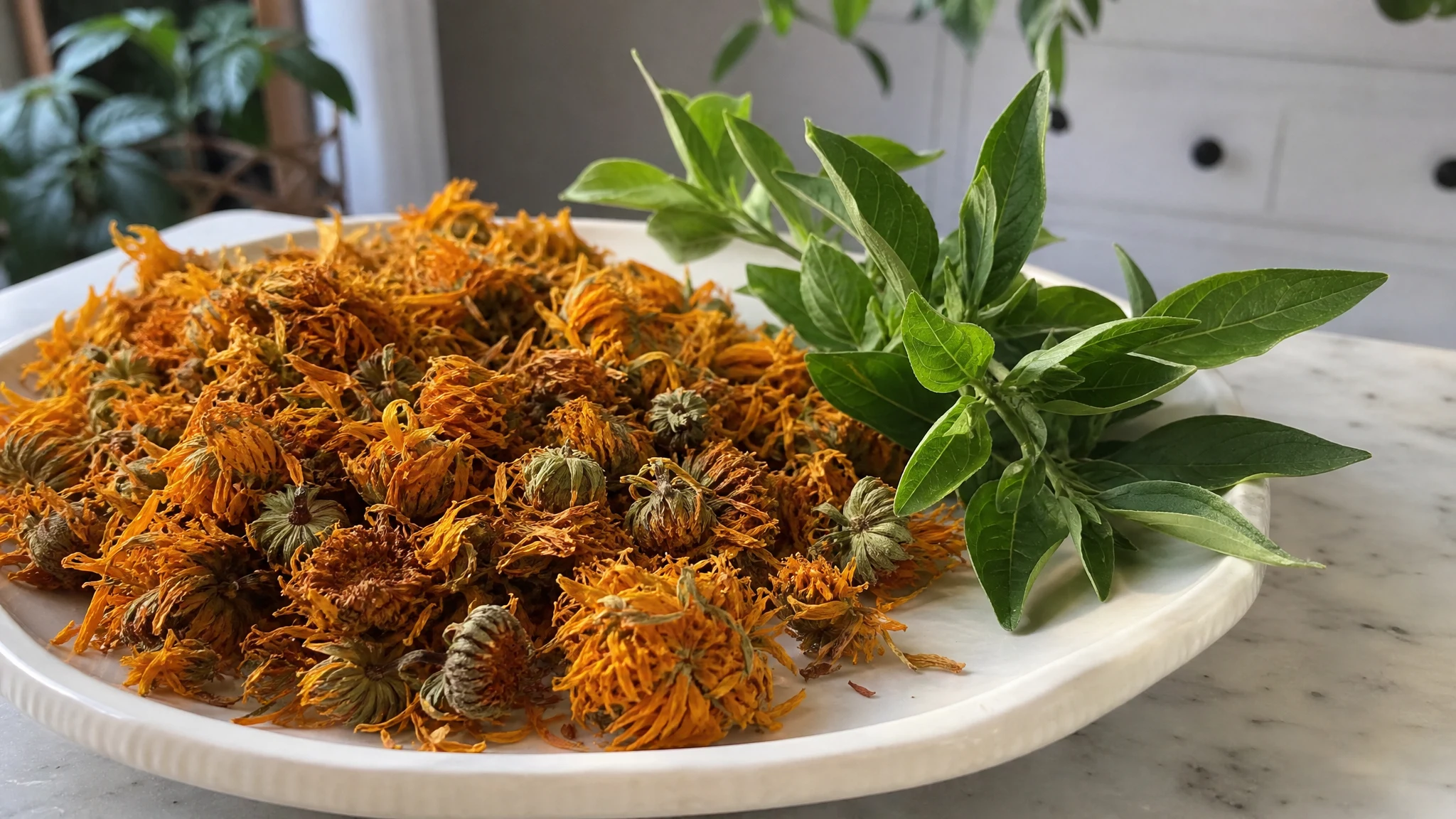
Many of us who love calendula first met it in the garden. It is a cheerful, sprawling plant with bright orange and yellow blooms that keeps flowering for months, and it is easy to see why people plant it near the back door. If you have a dog or cat who wanders the beds, it is comforting that the ASPCA lists the flower as non-toxic. It is still worth keeping an eye on what your animal nibbles, and a quick look at the plant label before you buy a new one for the border is a good habit.
Why no pet routine for calendula oil?
The dosing and usage guidance published for calendula is written for people. The European herbal monograph, for example, describes traditional use in semi-solid skin products for adults and adolescents, and it does not recommend skin use for children under 6. Nothing in it extends to animals. A dog or cat routine borrowed from a human leaflet would be a guess dressed up as a number, and size, coat, and grooming habits all change what a sensible amount would be. So we do not suggest amounts, schedules or blends for pets, and we would be wary of any page that does without citing a veterinary source.
Licking is the main thing to plan around. Anything on a coat can end up in the mouth, which is why the questions below matter before any oil goes on an animal.
Which calendula skin questions should you ask a vet?
If your animal has a skin concern and you are curious about calendula, these questions make a short, useful conversation:
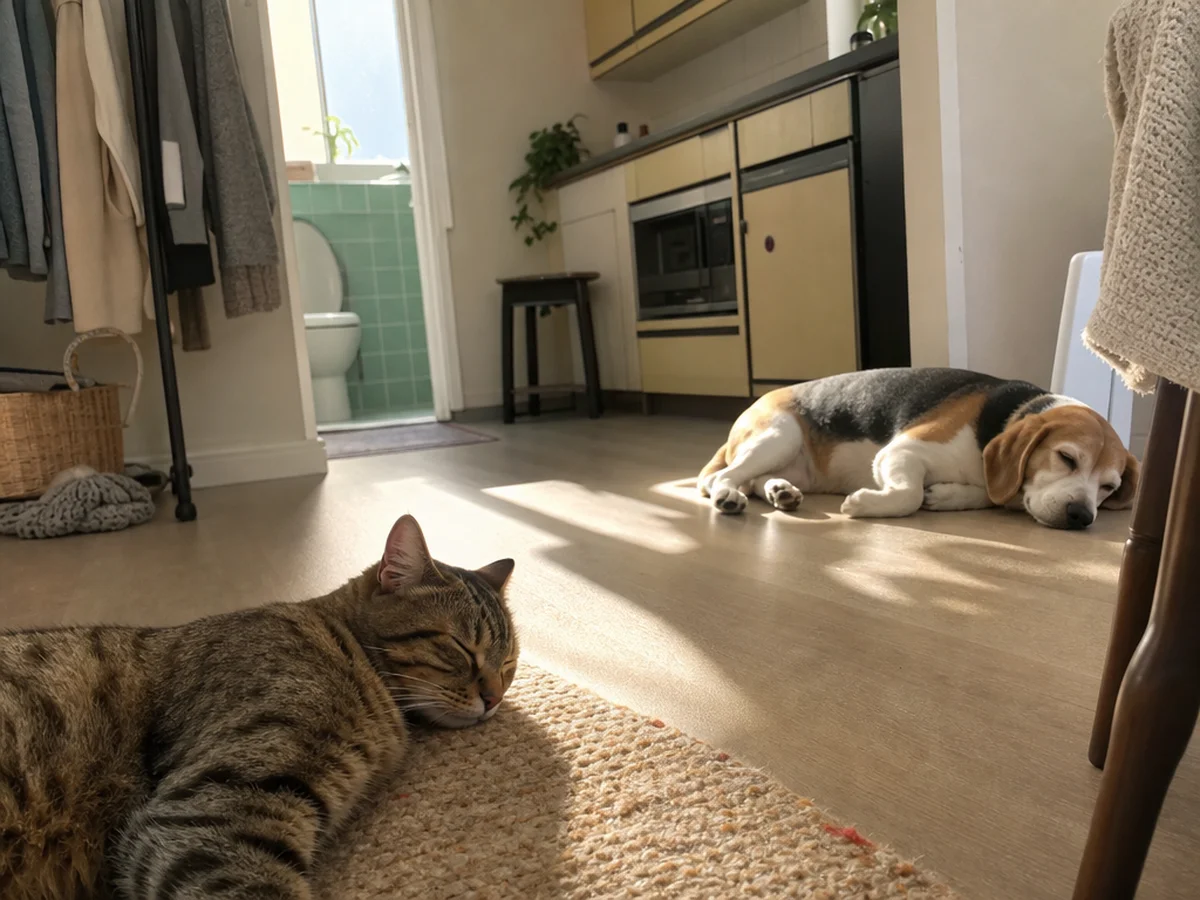
- What is going on with the skin? Skin sore enough for an animal to chew or lick is a veterinary matter first. The UK charity PDSA, for instance, tells owners to contact their vet if they think a dog has a hot spot, a patch of sore, infected skin that can look red, wet and angry, and notes that hot spots respond very well to veterinary treatment.
- If a calendula product is suitable, which one, how much, and for how long?
- What else is in the product? Essential oils, which can appear in "natural" pet products, are a separate conversation, and your vet is the right person for it. Our cat article goes through the extra care cats need.
- Should it be kept away from the eyes, and from any broken skin?
Keeping calendula oil bottles out of pets' reach
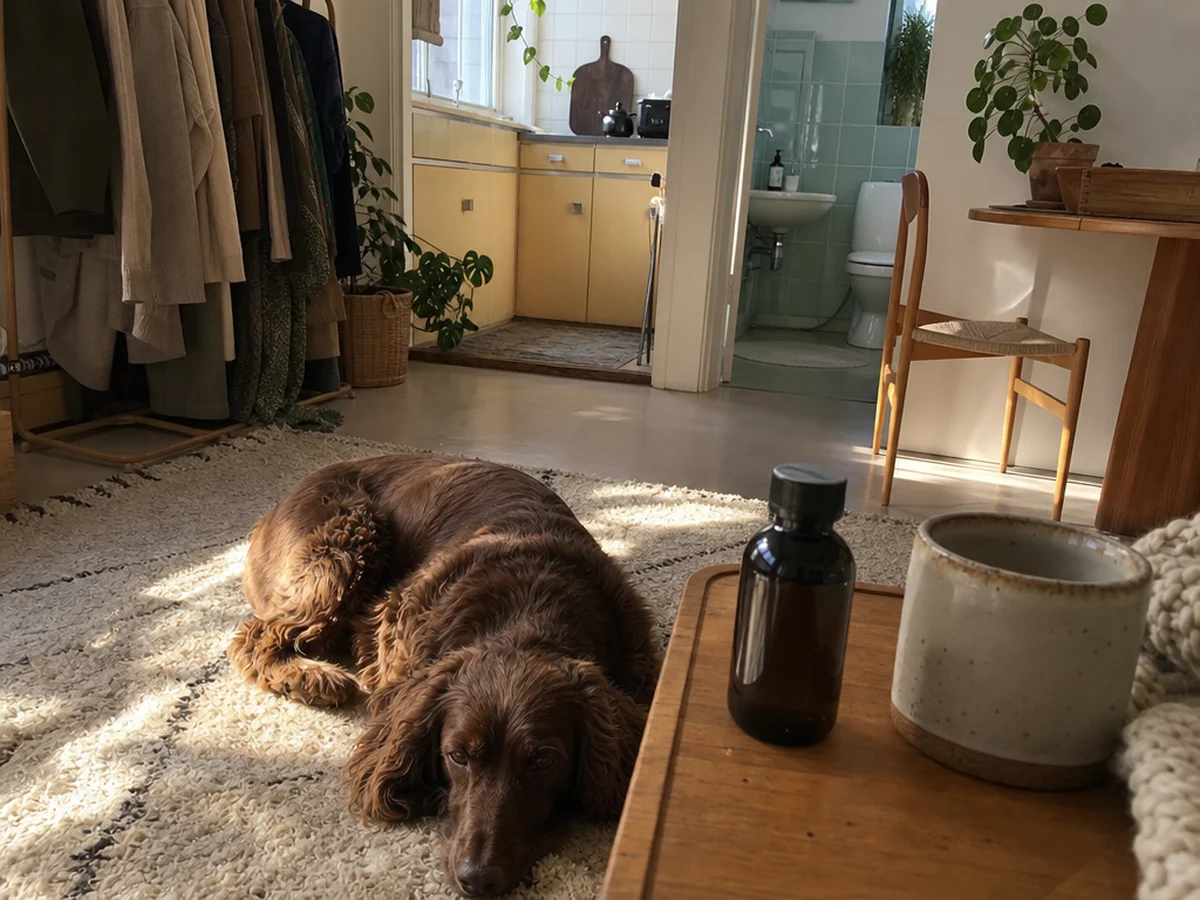
A bottle of oil on a bathroom shelf is easy for a curious pet to knock over. Cats in particular like to investigate anything that tips. Keep your calendula oil capped and stored out of reach, wipe up any spills right away, and wash your hands after using it before you pet your animal. If you have been working with oil on your forearms, give them a rinse too, since a dog or cat that licks you will pick up whatever is on your skin.
Calendula-infused oil: made for people, not pets
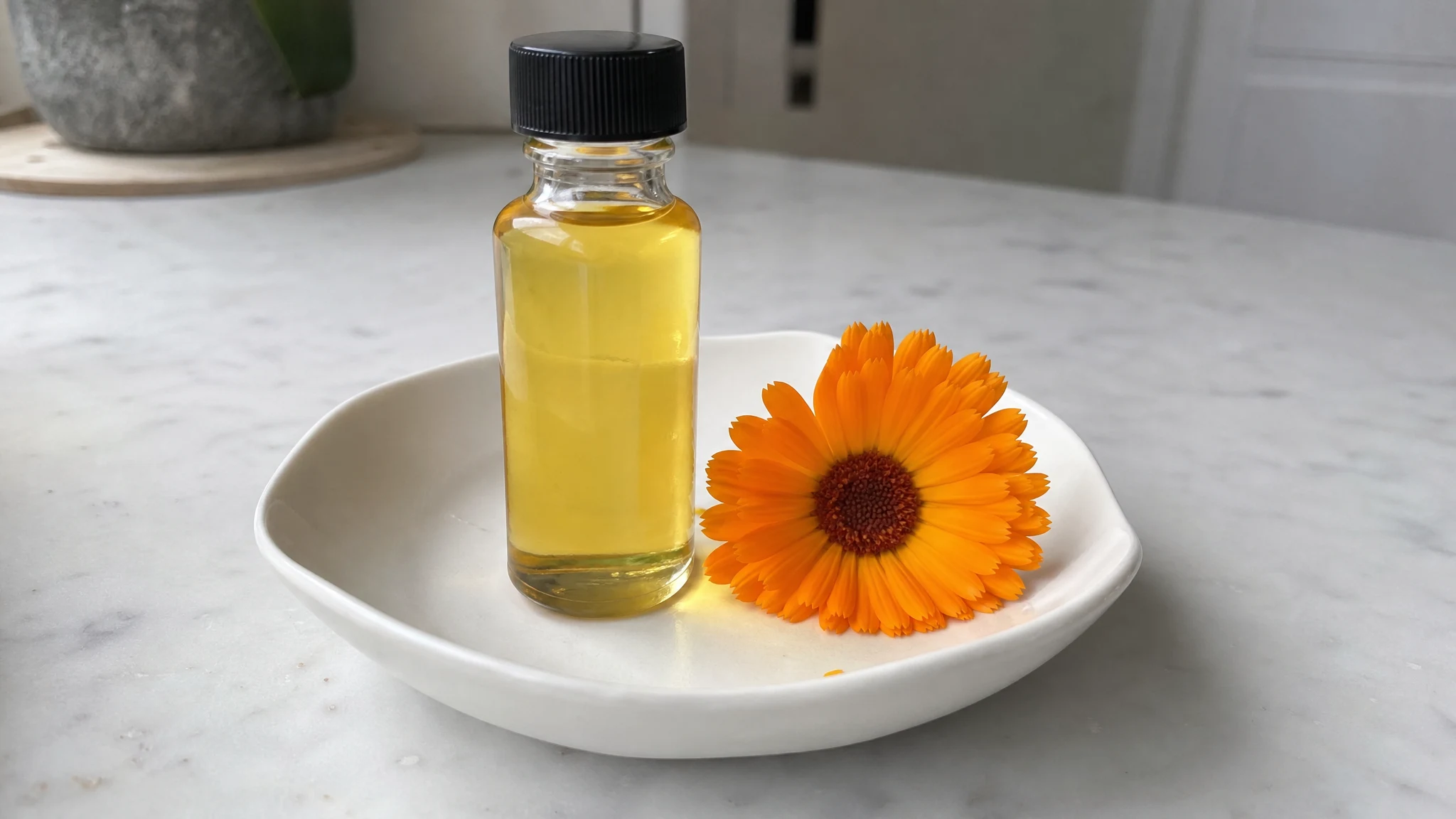
We make one product, a calendula-infused oil for people. We extract calendula on its own from dried, organically grown flowers, bring the extract into a carrier oil, and add nothing else. Bottles are dated and lot-numbered, and our batches are tested by independent third-party labs. Our oil is made for people, so we do not recommend it for dogs, cats or horses; that decision belongs to a veterinarian. If your vet decides a calendula product suits your animal and wants the details, email us the lot number through our contact page and we will send the batch paperwork, including the carrier.

For paws, which come up often, we have a separate article on a DIY paw balm that covers the making. Read it with your vet's guidance in hand. If you have a daisy-family allergy yourself, remember that handling the oil is still handling calendula, so test it on your own forearm first, as described in our patch test guide.
The short version is a kind one: the flower is rated friendly to dogs and cats, and the sensible next step for the oil is a chat with the person who knows your animal.
Calendula Oil
Nature's Golden Botanical, bottled: small-batch calendula oil in sizes from 0.5 oz to bulk.
From $13.99
Shop Calendula Oil →Sources & Further Reading
- ASPCA, "Toxic and Non-toxic Plants: Pot Marigold." aspca.org
- Pet Poison Helpline, "Marigold." petpoisonhelpline.com
- PDSA, "Hot spots (acute moist dermatitis) in dogs." pdsa.org.uk
- European Medicines Agency, "European Union herbal monograph on Calendula officinalis L., flos" (EMA/HMPC/437450/2017). ema.europa.eu