Organic Calendula Oil: What the Label Really Tells You
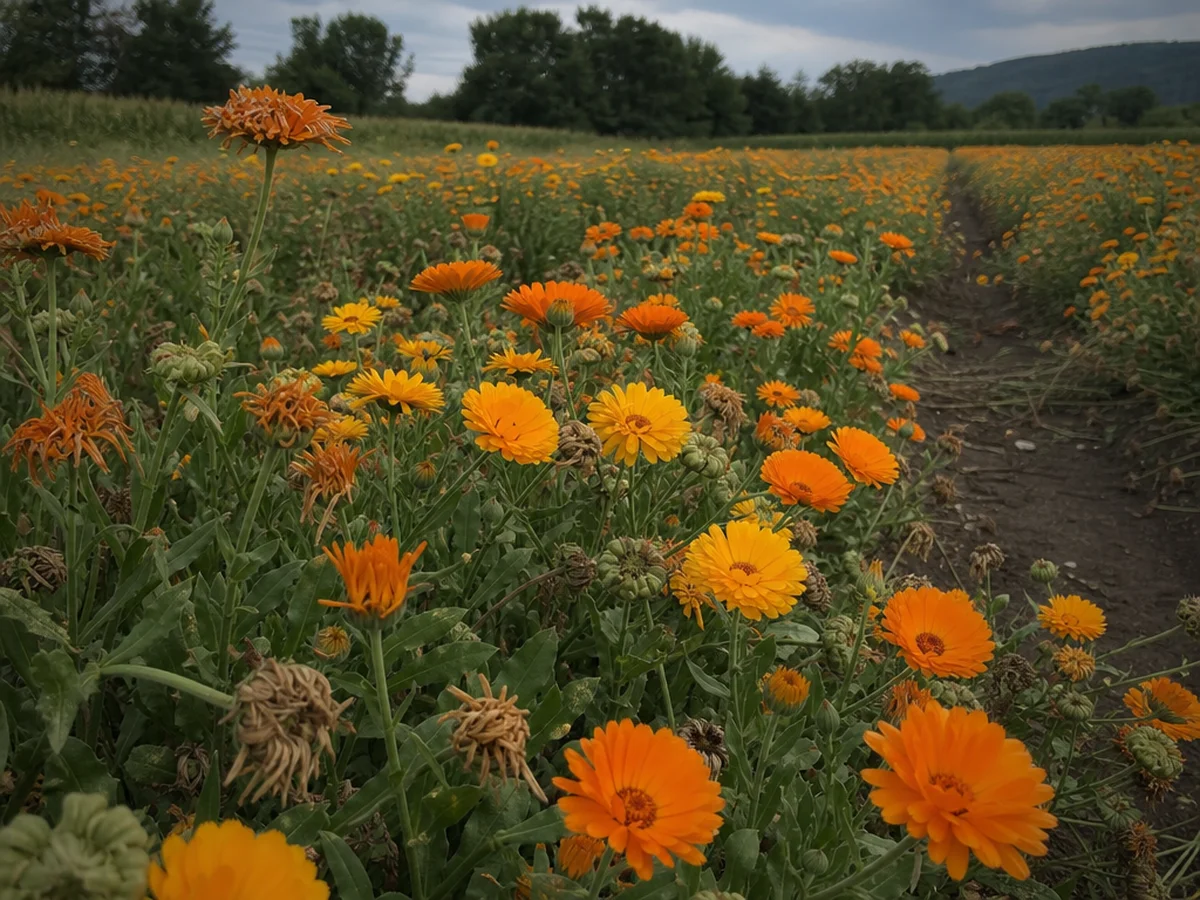
"Organic" is one of the most appealing words on a bottle, and it answers one specific question: how were the plants farmed? Our calendula flowers are organically grown, meaning no synthetic pesticides or fertilizers, on family farms in Egypt, Hungary, the Balkans and Turkey, with growers we have worked with for over a decade. That tells you something real. It just does not tell you everything, and a good label read covers the rest.

Calendula Oil
Our own small-batch calendula oil, in sizes from 0.5 oz to bulk.
From $13.99
Shop Calendula Oil →Organic calendula oil: three kinds of label claim
When a bottle says organic, it can mean one of three things, and they carry different weight.
| On the label | What stands behind it |
|---|---|
| "Organically grown" | A description of the farming. For cosmetics, FDA says "organic" is not defined in the laws and regulations it enforces, so the phrase on its own is a statement from the maker. |
| USDA "Organic" or "made with organic ingredients" | A certified claim under the National Organic Program. "Organic" requires at least 95 percent organically produced ingredients and may carry the USDA seal; "made with organic ingredients" requires at least 70 percent and may not carry the seal. Either way, the certifier is named on the label. |
| A private seal from a natural-products standard | Rules written by an industry body, which may be stricter or simply different. Read the standard itself. |
We use the first wording for our oil: organically grown. We do not use the word "certified" for it, and we would rather you read exactly what we say than assume. If a certification matters for your purchase, ask us in writing through the contact page before you order.
What does organic leave open about calendula oil?
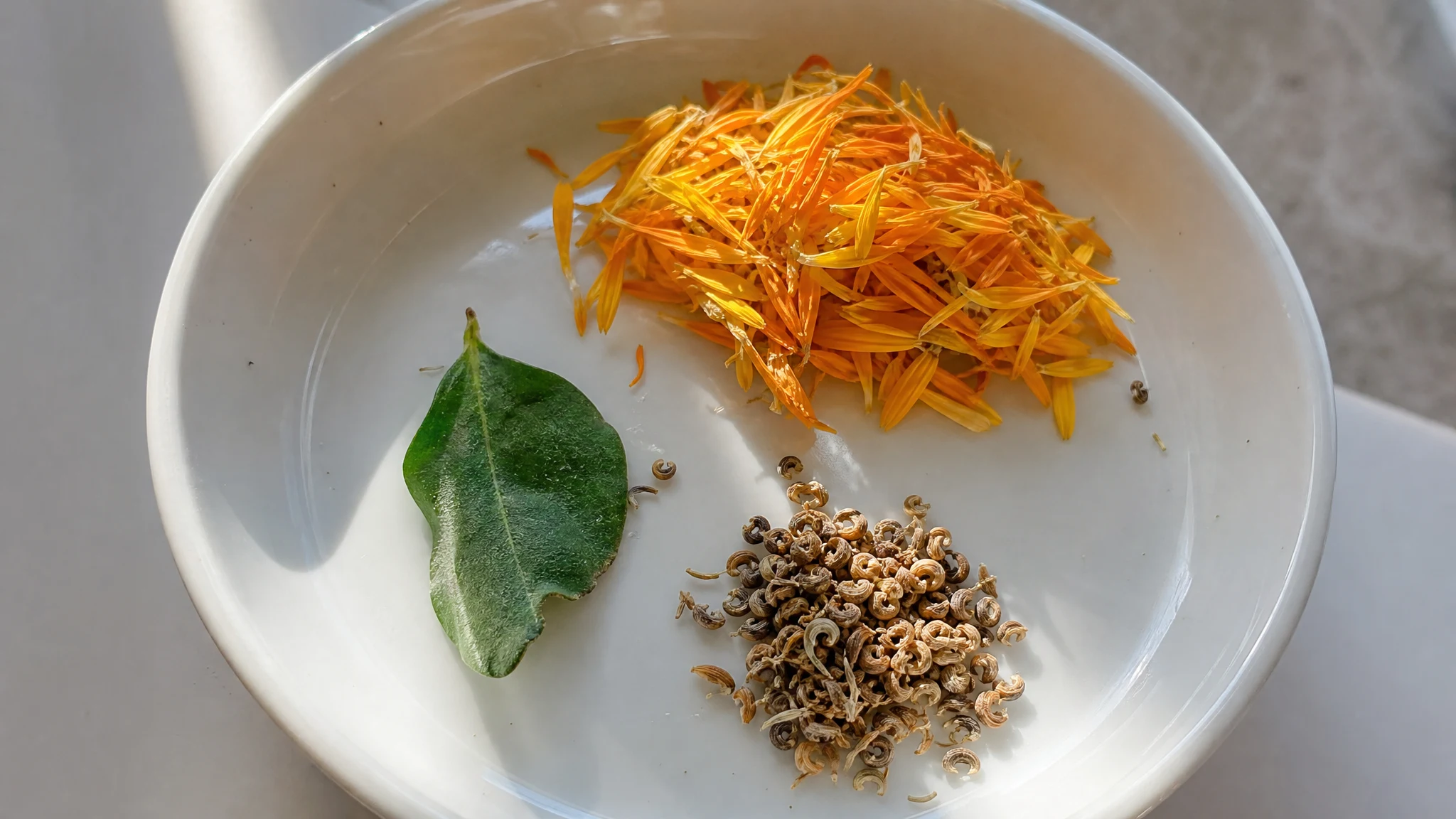
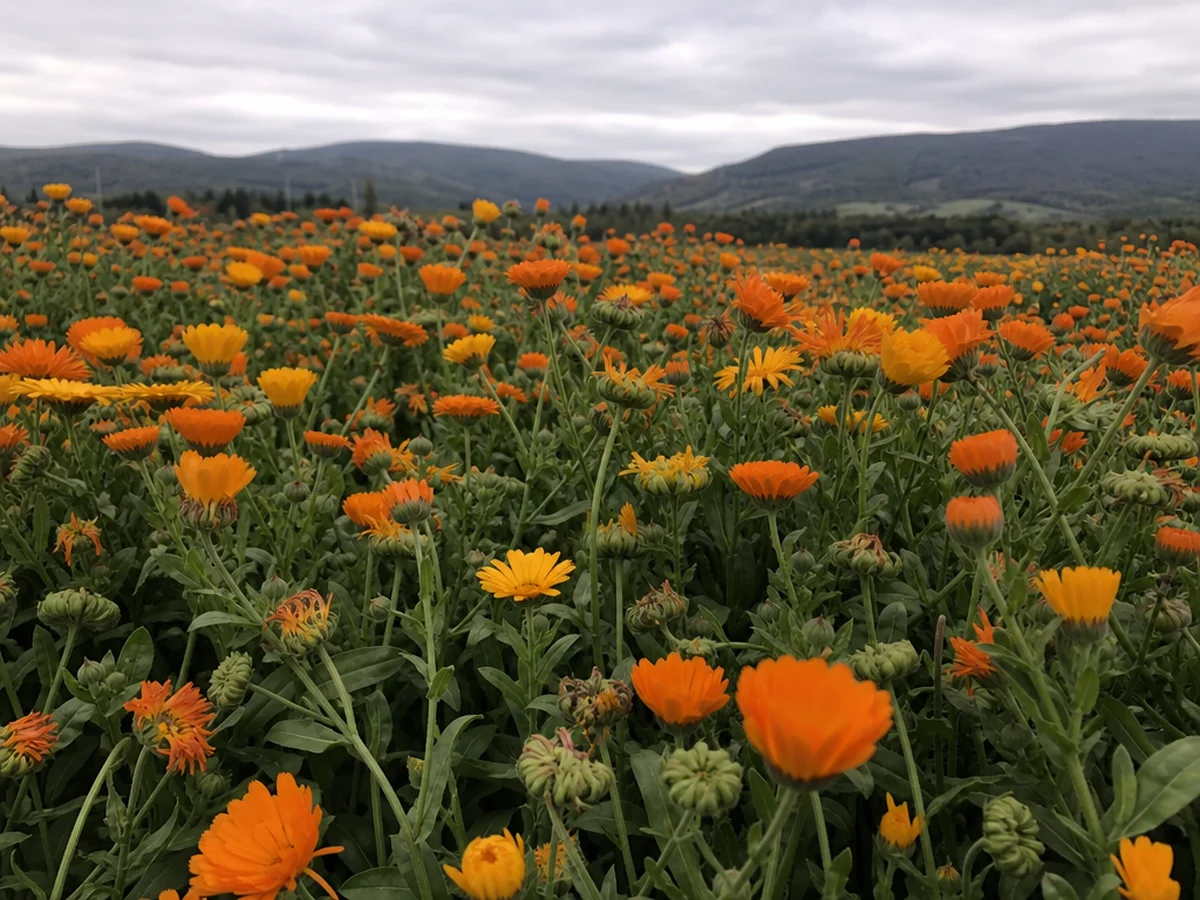
Organic is a rule about how plants are grown and handled. It does not speak to how deeply colored the petals are, how fresh the oil is, or what the flowers were soaked in. Calendula varies a great deal on the first of those. In one HPLC study of four varieties, total carotenoids ranged from about 48 to 276 mg per 100 g of fresh flowers depending on variety, so two perfectly organic crops can look very different in the bottle.
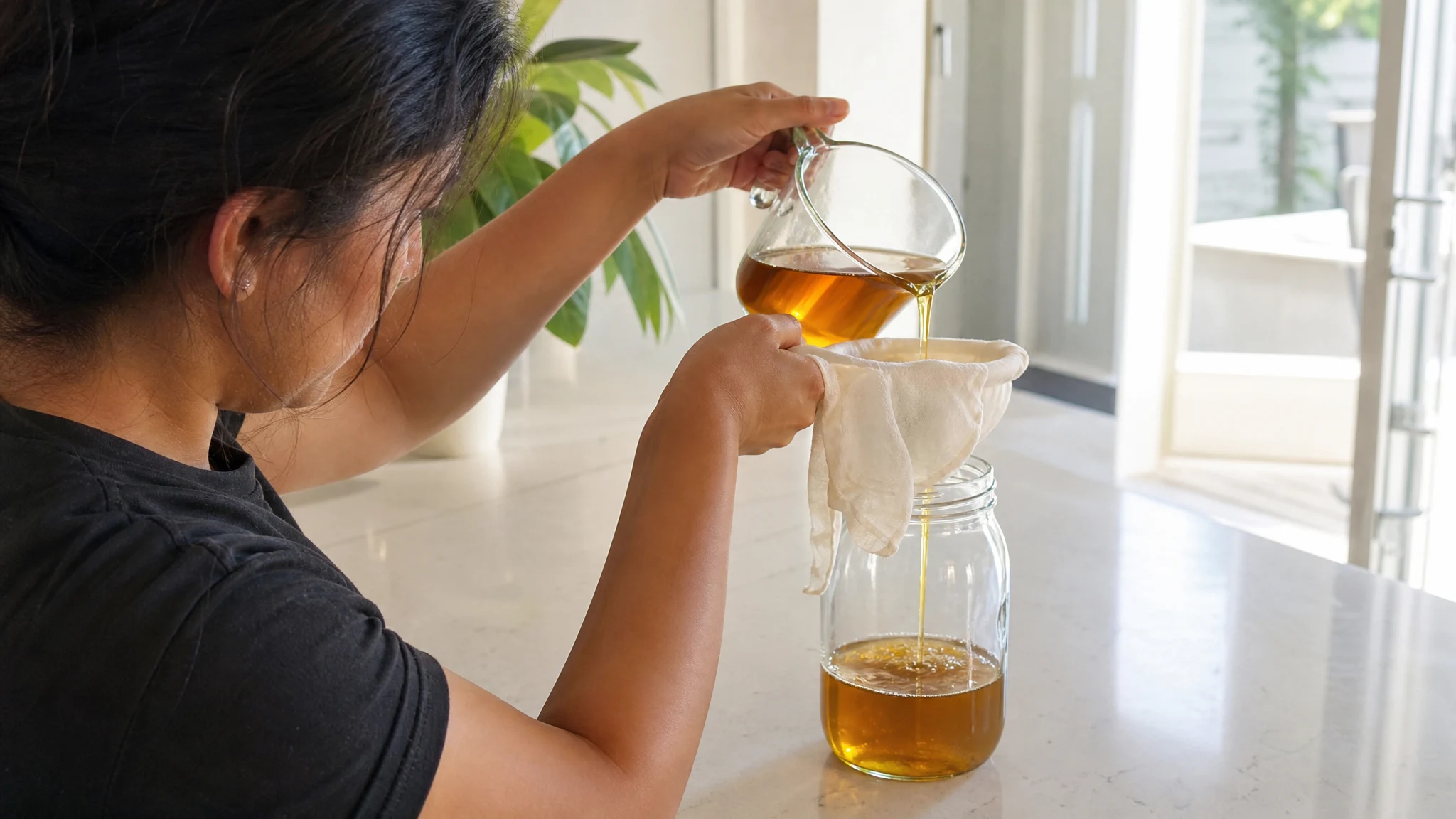
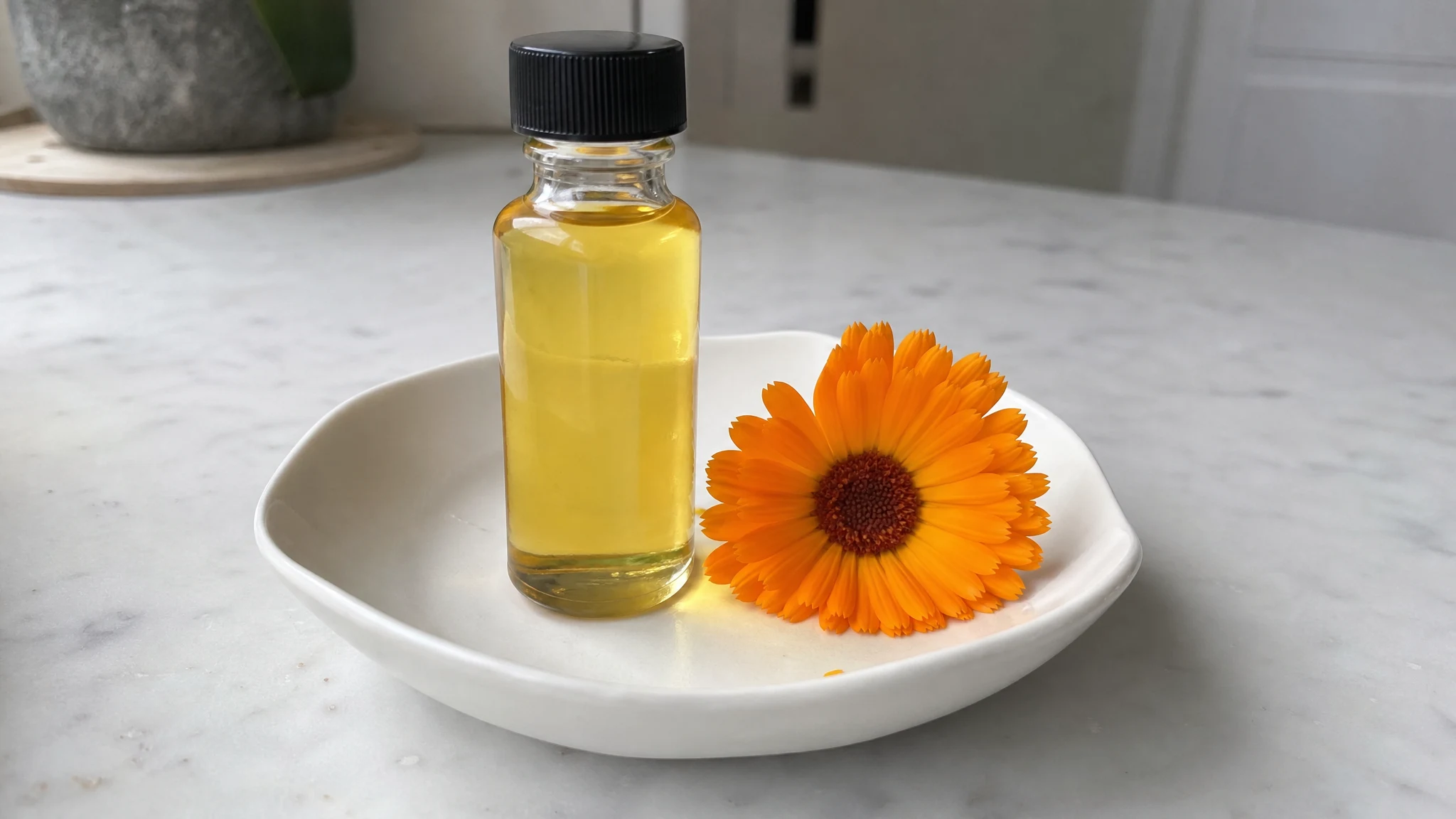
The carrier oil is the other big variable, since most of an infused oil is the carrier. Two bottles that both say organic can differ completely once you read the ingredient list: one might be flowers in olive oil, another a different base with added vitamin E. Neither is wrong; they are simply different products. Ours is calendula extract brought into a carrier oil, with no synthetic preservatives, no added tocopherol and no stabilizers, and the carrier is on the batch paperwork. Email the lot number to [email protected] and we will send it.
Why does third-party testing matter beyond organic?
A farming claim and a laboratory result answer different questions. A farm can follow organic practice and a batch can still deserve a look at its contaminant screen, which is why every batch we make goes to independent third-party labs for physical assays, chemical assays and contaminant screening. A Certificate of Analysis PDF is linked on our shop page, and documentation for a specific lot is available on request.
It helps to read any certificate with one rule in mind: it lists only the tests that were run. A review of botanical ingredient fraud shows that some routine analytical methods can be fooled by adulterants, so a supplier who names the tests, rather than simply waving a certificate, is showing you something useful. If you want a test we do not list, tell us what you need.
Long-term grower relationships and petal quality
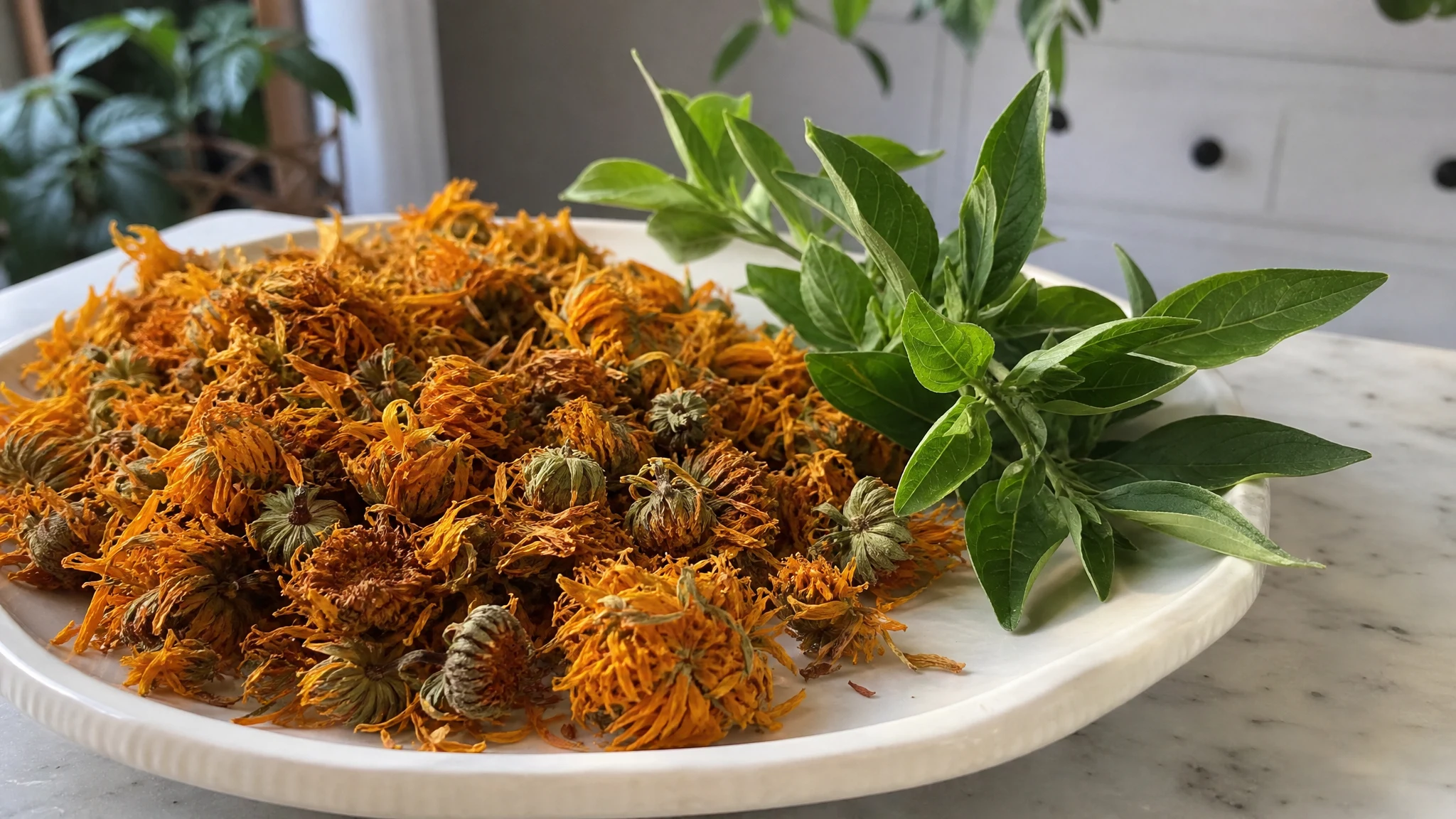
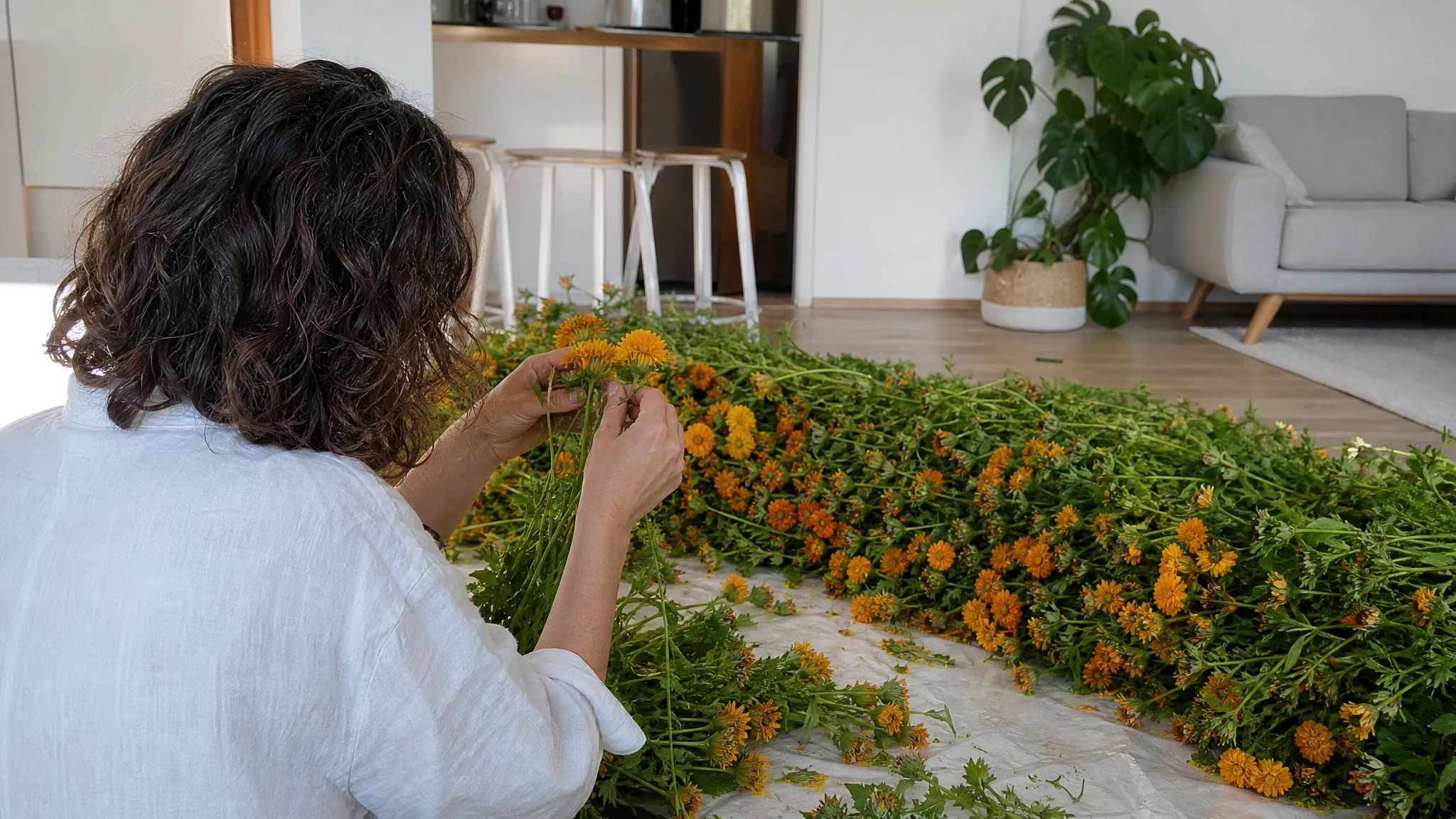
We buy dried flowers from family farms, and we have worked with the same growers for over a decade. That kind of relationship is a quiet kind of quality control: we know who is growing the flowers, they know what we expect of the petals, and everyone understands that a poor season is a poor season. If a harvest does not meet our standard, we would rather sell out than lower the bar.
Ingredient lists, dates and lot numbers on oil bottles
Standing in front of a shelf of golden bottles, it helps to slow down and read from the back. Start with the ingredient list: how many things are in the bottle, and are they named? Look for a date or lot number. Then read the front, and ask what each word is promising. Organic, natural and pure are all easy words to print. A named carrier, a lot number and a document you can ask for are harder to fake, and they tell you far more.
Which organic calendula oil questions should suppliers answer?
- Is "organic" a description of the farming, or a certification, and who issued it?
- What is the carrier oil, and is anything else added?
- Which tests were run on this lot, and can I see the document?
- Is the bottle dated and lot-numbered, so the paperwork can be matched to what I hold? Ours are, in glass.
If the answers to the last three are clear, the organic claim becomes one useful signal among several rather than the whole argument.
Daisy-family allergy matters more than organic status
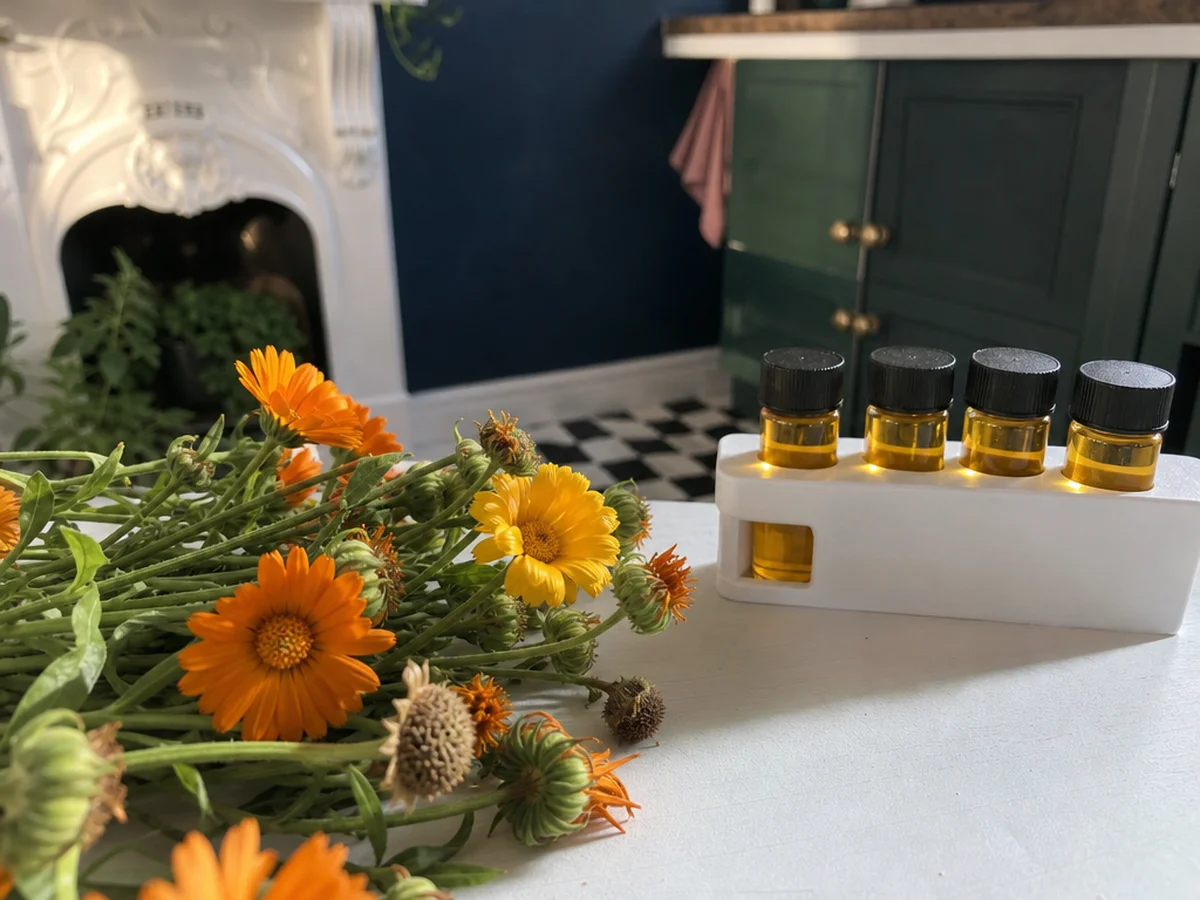
Farming method does not change the plant. Calendula belongs to the daisy family, and the EU herbal monograph lists hypersensitivity to other Asteraceae plants as a contraindication and notes skin sensitization has been reported, frequency unknown. FDA also points out that an ingredient's source does not by itself determine whether a cosmetic is safe. If daisy-family plants bother you, patch test first with our patch test guide and read about calendula and ragweed allergy. Our piece on whether all calendula oil is the same covers more of the comparison.
So treat organic as a statement about the farm, ask what stands behind it, and judge an oil by its ingredient list and its paperwork. We are glad to be asked for both.
Calendula Oil
Nature's Golden Botanical, bottled: small-batch calendula oil in sizes from 0.5 oz to bulk.
From $13.99
Shop Calendula Oil →Sources & Further Reading
- U.S. Food and Drug Administration. "Organic" Cosmetics.
- USDA Agricultural Marketing Service, National Organic Program. Cosmetics, Body Care Products, and Personal Care Products.
- Pintea A et al., 2003. HPLC analysis of carotenoids in four varieties of Calendula officinalis L. flowers. Acta Biologica Szegediensis.
- Gafner S et al., 2023. Botanical Ingredient Forensics: Detection of Attempts to Deceive Commonly Used Analytical Methods for Authenticating Herbal Dietary and Food Ingredients and Supplements. J Nat Prod.
- EMA/HMPC, 2018. European Union herbal monograph on Calendula officinalis L., flos.