Calendula Oil in Summer: Storing It and Using It Well
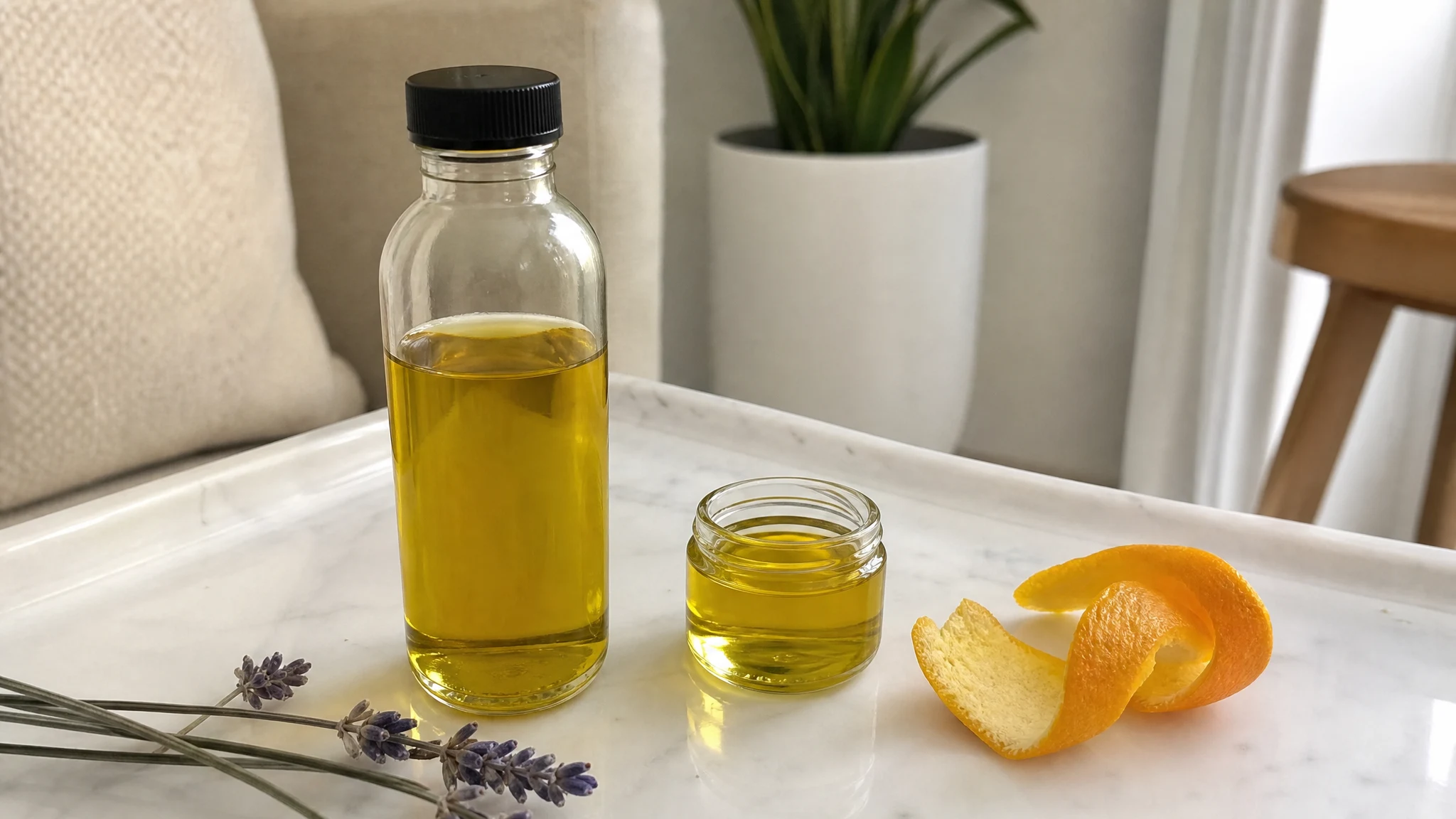
Picture a bottle of calendula oil riding in a beach bag on the back seat of a car in July. Summer asks very little of an infused oil except one thing: keep it out of the heat. Almost everything else about the season, from sun protection to what to do after too much sun, belongs to well-established dermatology advice, and we would rather point you there than put our oil where it does not belong.

Calendula Oil
Our own small-batch calendula oil, in sizes from 0.5 oz to bulk.
From $13.99
Shop Calendula Oil →Why does summer heat age calendula oil faster?
Oils age by oxidizing, and light and high temperatures are the two things that speed it along. A recent review of vegetable oil oxidation puts it plainly: light and heat promote the free radicals that drive the process (Vegetable oil oxidation: Mechanisms, impacts on quality, and approaches to enhance shelf life). That review is about edible oils, but the chemistry is the same for an infused oil sitting in its carrier. Our calendula oil has no preservatives, tocopherol or stabilizers added, so the summer habits are the ordinary ones, and they work.
- Keep the bottle in a cool, dark cupboard, not a parked car, a sunny windowsill or a bag at the beach.
- Close it between uses, since oxygen is part of the process too.
- Think about a smaller bottle you will finish sooner. We offer 0.5 oz and 1 oz glass bottles for just that reason.
- Trust your nose. If the oil smells noticeably different from when you opened it, retire it.
Every bottle we sell is dated and lot-numbered, so you can always tell how long yours has been around, and you can email the lot number to [email protected] for the batch documentation. Our storage guide goes deeper.
Packing a small oil bottle for summer travel
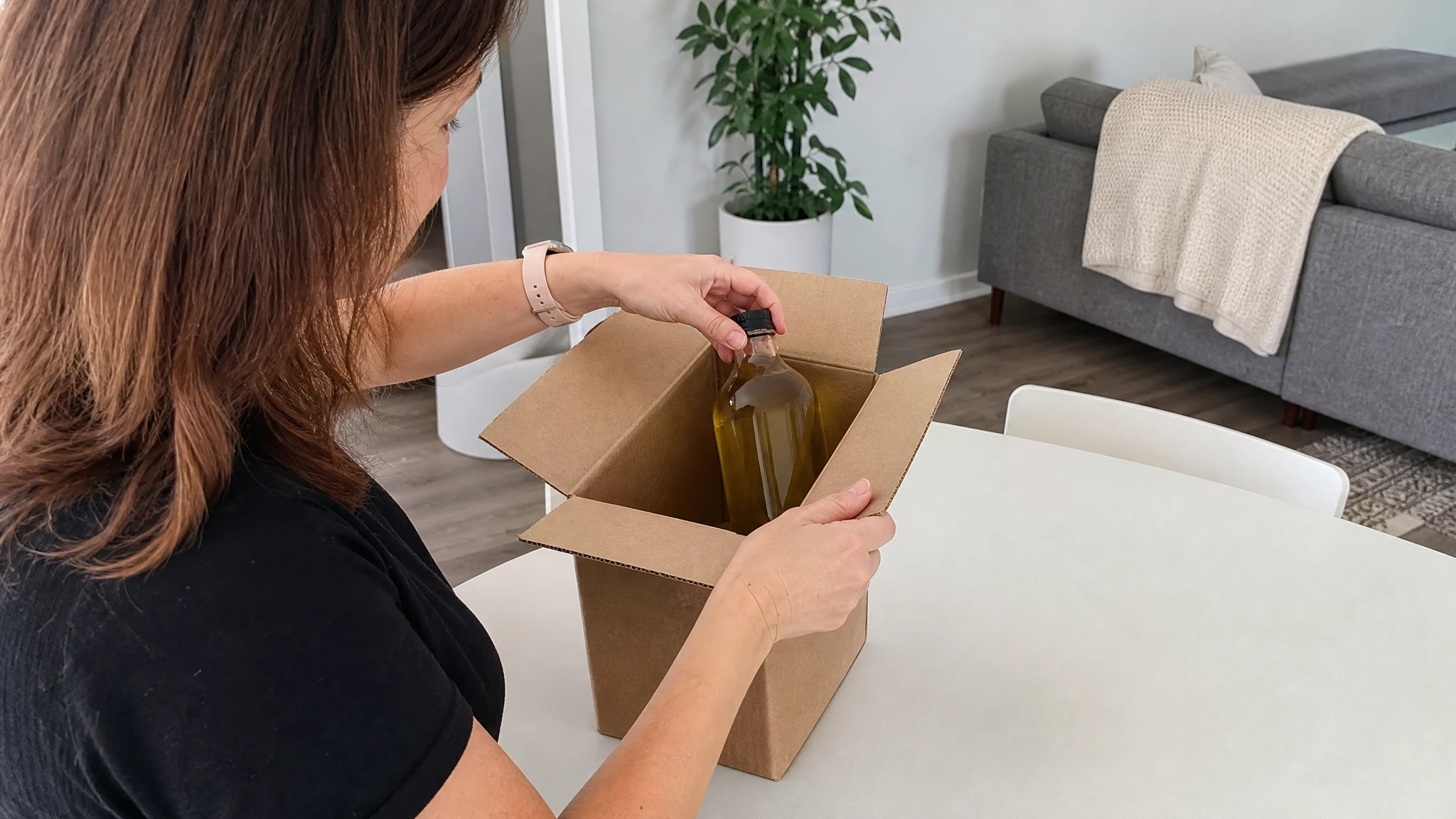
Summer travel is where bottles get forgotten, so here is the habit we like best. Decant nothing, pack nothing loose: take the smallest bottle you own, cap it tightly, and tuck it into the middle of your bag, wrapped in a t-shirt, instead of the outer pocket that bakes in the sun. At your destination, put it in the coolest drawer you can find. When you get home, check the date on the label and note when you opened it.
Look at the oil itself now and then. Held up to the light, it should look like the golden oil you started with. If you ever find a bottle that spent an afternoon on a dashboard, we would rather you set it aside and open a fresh one than gamble on it.
Sunscreen, not calendula oil, handles sun protection
Calendula oil is not a sunscreen, and we do not offer an SPF for it. The American Academy of Dermatology recommends a sunscreen with SPF 30 or higher that is water resistant and broad-spectrum, applied about 15 minutes before going outdoors. Most adults need about an ounce for the body and at least a teaspoon for the face (How to apply sunscreen). If you like an oil step in your routine, an evening after cleansing is a natural place for it, once the day in the sun is done. Our SPF article explains why we steer people away from DIY sun protection of any kind.
Dermatologist advice after too much sun
If the sun has already won, the dermatologists' advice is refreshingly simple: get indoors, take cool baths or showers, pat dry, and moisturize with a product containing aloe vera or soy while skin is still damp. Drink extra water, and leave blisters alone. The AAD lists high fever, chills, nausea, pus or swelling as reasons to get medical attention (How to treat a sunburn). We make an external cosmetic oil, not a burn treatment, so a burn with blisters or other symptoms is a job for a clinician. Our pieces on calendula oil after sun and calendula oil versus aloe go through what is known.
Is calendula oil photosensitizing in summer sun?
No, and that is reassuring. The Cosmetic Ingredient Review panel judged calendula-derived cosmetic ingredients safe as used, and found them not photosensitizing in the tests it reviewed (Final report of the Cosmetic Ingredient Review Expert Panel amended safety assessment of Calendula officinalis-derived cosmetic ingredients). The place to be careful is what you stir into it. The Tisserand Institute notes that citrus oils pressed from the rind can be phototoxic because of furanocoumarins, while distilled ones are not, and that sweet orange is generally thought not to be phototoxic even when expressed (Citruses: a comparison of different oils). If you like a hint of citrus in your oil, our Sunmeadow Blend post shows the arithmetic, and it is worth knowing which kind of citrus oil you are holding before the day out.
Evening oil step after washing off sunscreen
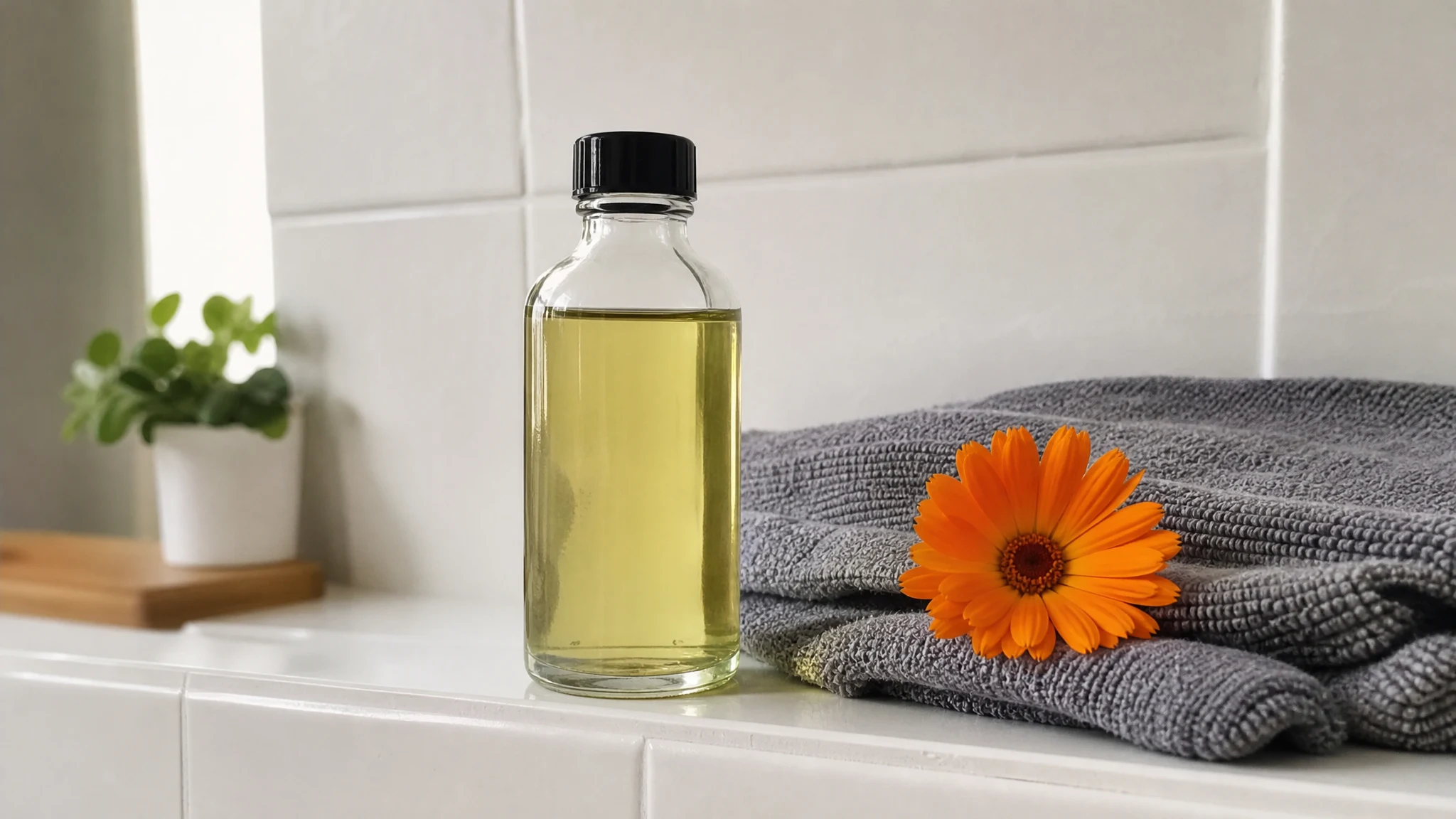
We like the idea of a calendula oil step at the very end of a summer day. Wash off the sunscreen and the salt or chlorine, let skin air-dry until it is just slightly damp, and press on a few drops. The point is not to do more, only to give the day a slow, quiet finish. Use less than you think you need: a few drops warmed between your palms spread much further than a pool poured into one hand.
If you keep the bottle on a bathroom shelf, choose a spot away from the window and away from the shower spray, where it will stay cooler and drier through the hottest weeks.
How does carrier oil change summer feel and weight?
People often ask how light an oil feels in summer humidity. An infused oil is a carrier oil with calendula in it, so the feel follows the carrier, and the carrier for any batch is named on the batch paperwork. Ask us for the carrier listed on the batch paperwork and you can judge the feel for yourself.
Daisy-family allergy and pregnancy cautions in summer
As with any calendula product, people with a daisy-family allergy should not use it, since the European herbal monograph lists hypersensitivity to Asteraceae plants as a contraindication. The same document does not recommend use in pregnancy or breastfeeding, or on skin under age 6, because the data are limited (European Union herbal monograph on Calendula officinalis L., flos). A patch test first is a good habit, and our walkthrough makes it easy.
So the summer plan for calendula oil is short: keep it cool and dark, leave the sun protection to sunscreen, and enjoy it in the evening.
Calendula Oil
Nature's Golden Botanical, bottled: small-batch calendula oil in sizes from 0.5 oz to bulk.
From $13.99
Shop Calendula Oil →Sources & Further Reading
- Gharby S et al., 2025. Vegetable oil oxidation: Mechanisms, impacts on quality, and approaches to enhance shelf life. Food Chemistry X.
- American Academy of Dermatology. How to apply sunscreen.
- American Academy of Dermatology. How to treat a sunburn.
- Andersen FA et al., 2010. Final report of the Cosmetic Ingredient Review Expert Panel amended safety assessment of Calendula officinalis-derived cosmetic ingredients. International Journal of Toxicology.
- Tisserand Institute. Citruses: a comparison of different oils.
- European Medicines Agency, 2018. European Union herbal monograph on Calendula officinalis L., flos.