Is Calendula Oil a Sunscreen? What the SPF Numbers Mean
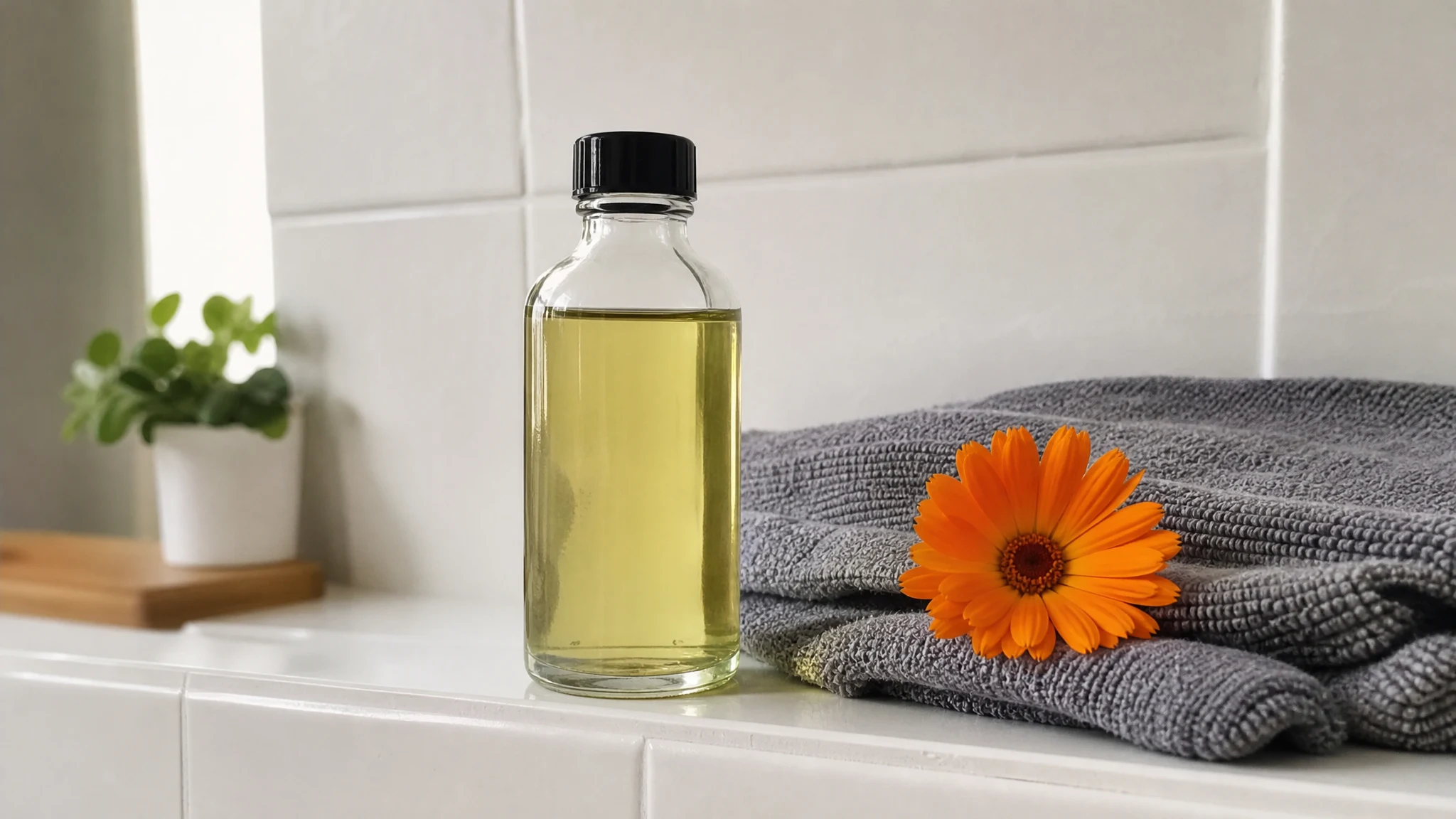
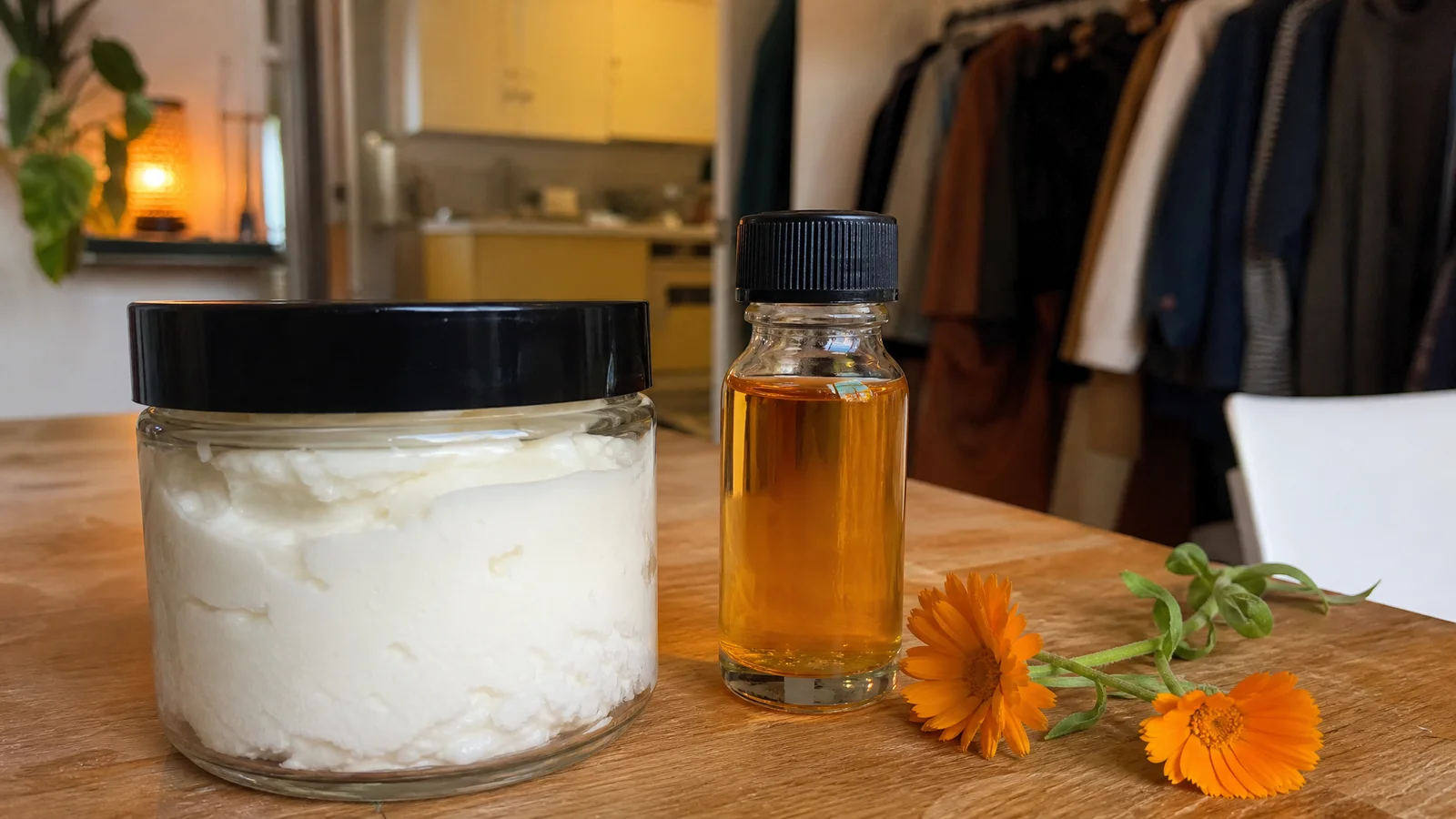
A golden bottle, a sunny day and a pile of homemade-sunscreen recipes online: it is easy to see why people ask whether calendula oil can cover them outdoors. Our answer is a friendly no. We make a calendula oil for external cosmetic use, we do not give it a sun-protection number, and we would reach for a proper sunscreen every time the sun is out.

Calendula Oil
Our own small-batch calendula oil, in sizes from 0.5 oz to bulk.
From $13.99
Shop Calendula Oil →Calendula essential oil SPF 8.36 in lab studies
You may have seen calendula quoted with a number like 8. That comes from a laboratory study that measured an in vitro sun protection factor of 8.36 for calendula essential oil, produced by hydrodistillation of the flowers, using a spectroscopic method (Cosmeceutical potential of geranium and calendula essential oil: Determination of antioxidant activity and in vitro sun protection factor). That is a test-tube reading on a distilled essential oil. Our oil is a different material: calendula extracted into a carrier oil. A figure measured on one tells you nothing dependable about the other, and none of it involves a person standing in the sun.
Why do people ask if golden oil is sunscreen?
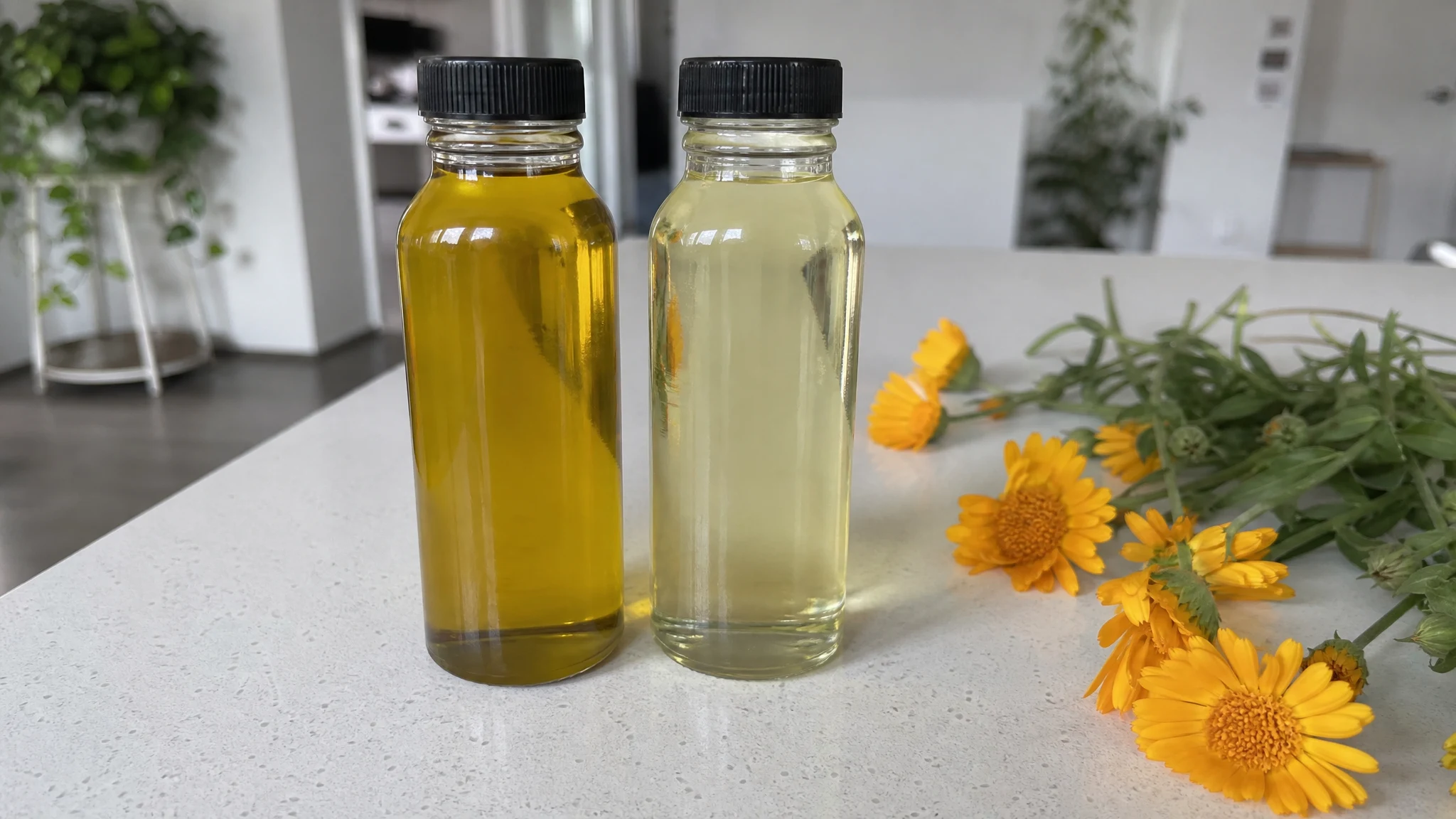
It makes sense that people ask. Calendula is a sun-colored flower, the oil is golden, and the plant spends its whole season basking in light. A bottle that looks like a jar of summer feels like it should be good for summer. We love that feeling, and we would not talk anyone out of it. We just want that feeling to stay attached to the right job. A pretty color and a sunny story do not tell you how much ultraviolet light a product blocks, and only a tested sunscreen can say that.
What does an SPF number actually measure?
FDA explains that SPF comes from comparing how much UV exposure it takes to redden skin with and without the product, so SPF values primarily indicate protection against UVB, the rays behind sunburn. In the United States sunscreens are regulated as drugs and held to safety and effectiveness standards (Sunscreen: How to Help Protect Your Skin from the Sun). That is a high bar, and it is why a cosmetic oil, ours included, does not carry a number.
The American Academy of Dermatology recommends a broad-spectrum, water-resistant sunscreen of SPF 30 or higher, reapplied about every two hours outdoors and after swimming or sweating (Sunscreen FAQs). For little ones, a pediatrician is the person to ask.
Reading a bottle label: why an oil carries no SPF
A fair way to judge any skincare bottle is to read what it tells you and what it leaves out. Ours tells you what the oil is, who grew the flowers, and gives you a date and lot number. It does not carry an SPF, and that silence is deliberate. When a label does include a number, look for the words broad spectrum and water resistant, and look for a statement of the active ingredients. If you cannot find those, treat the product as something other than a sunscreen, however sunny it looks.
Calendula oil's place in a sunny-day routine
Think of it as part of your skin routine around the sun, not as a shield. A few drops of golden oil at the end of the day leave skin feeling soft and smooth, and that is a pleasure of its own. Our summer skincare guide and our after-sun article go through how people fit it into warm-weather routines. If skin is already burned, blistered or hurting, that is a conversation for a doctor or pharmacist rather than for a bottle of oil.
Two small habits help. First, wash and dry your hands after applying, and keep the oil away from your eyes. Second, patch test before regular use: calendula is in the daisy family, and the European herbal monograph lists hypersensitivity to that family as a contraindication (European Union herbal monograph on Calendula officinalis L., flos). Our patch test guide shows how.
There is a lovely evening ritual hiding in all this. After a day outdoors, rinse off, pat skin dry and warm a few drops of oil between your palms. It leaves skin feeling soft and smooth, and the golden color and gentle aroma make it feel like a small reward. Nothing about that routine needs a number to be enjoyable, and it keeps the oil in the role it does best.
Sunscreen, hat and shade: packing for sun
If you are planning a long day outside, here is how we would pack. Start with a broad-spectrum sunscreen that has the SPF number on the label, a wide-brimmed hat, sunglasses, and a light long-sleeved shirt. Add a water bottle and a spot of shade to retreat to. Then, if you like, tuck a small bottle of calendula oil in the bag for the evening, after you have washed off. Keep it in the shade of the bag rather than in a hot car, since oil with nothing added is happier in the cool.
Can a calendula oil recipe promise an SPF?
When a recipe promises a specific SPF from an oil, three questions help. Which exact material was measured? Was it a person or a spectrophotometer? And was the finished product tested at all? A lab reading on an ingredient is not the same as a tested product. The difference between calendula essential oil and our infused oil, which we explain in calendula essential oil versus infused oil, is a good example of why the label on an ingredient matters.
When you do use the oil at the end of the day, pay attention to the little sensory details. The golden color, the soft aroma of flowers, the way a few drops warm up between your palms. These are the reasons we like it, and they are plenty.
So enjoy the sun with a real sunscreen, a hat and some shade, and save the calendula oil for the quiet part of the evening.
Calendula Oil
Nature's Golden Botanical, bottled: small-batch calendula oil in sizes from 0.5 oz to bulk.
From $13.99
Shop Calendula Oil →Sources & Further Reading
- Lohani A, Mishra AK, Verma A. Cosmeceutical potential of geranium and calendula essential oil: Determination of antioxidant activity and in vitro sun protection factor. J Cosmet Dermatol, 2019
- Sunscreen: How to Help Protect Your Skin from the Sun | FDA
- Sunscreen FAQs | American Academy of Dermatology
- European Union herbal monograph on Calendula officinalis L., flos, EMA/HMPC/437450/2017