Witch Hazel vs Calendula Oil: Toner or Softening Oil?
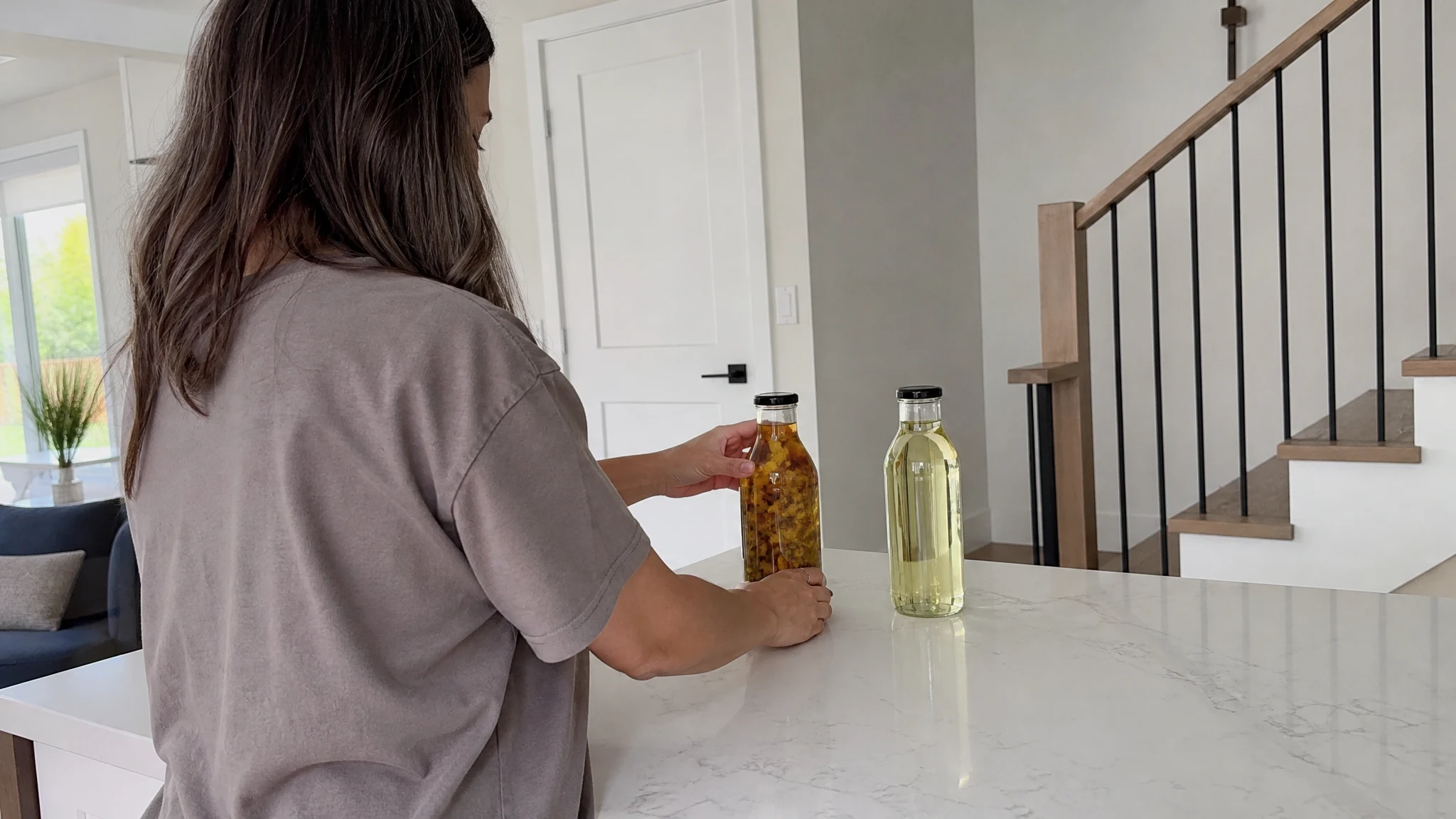
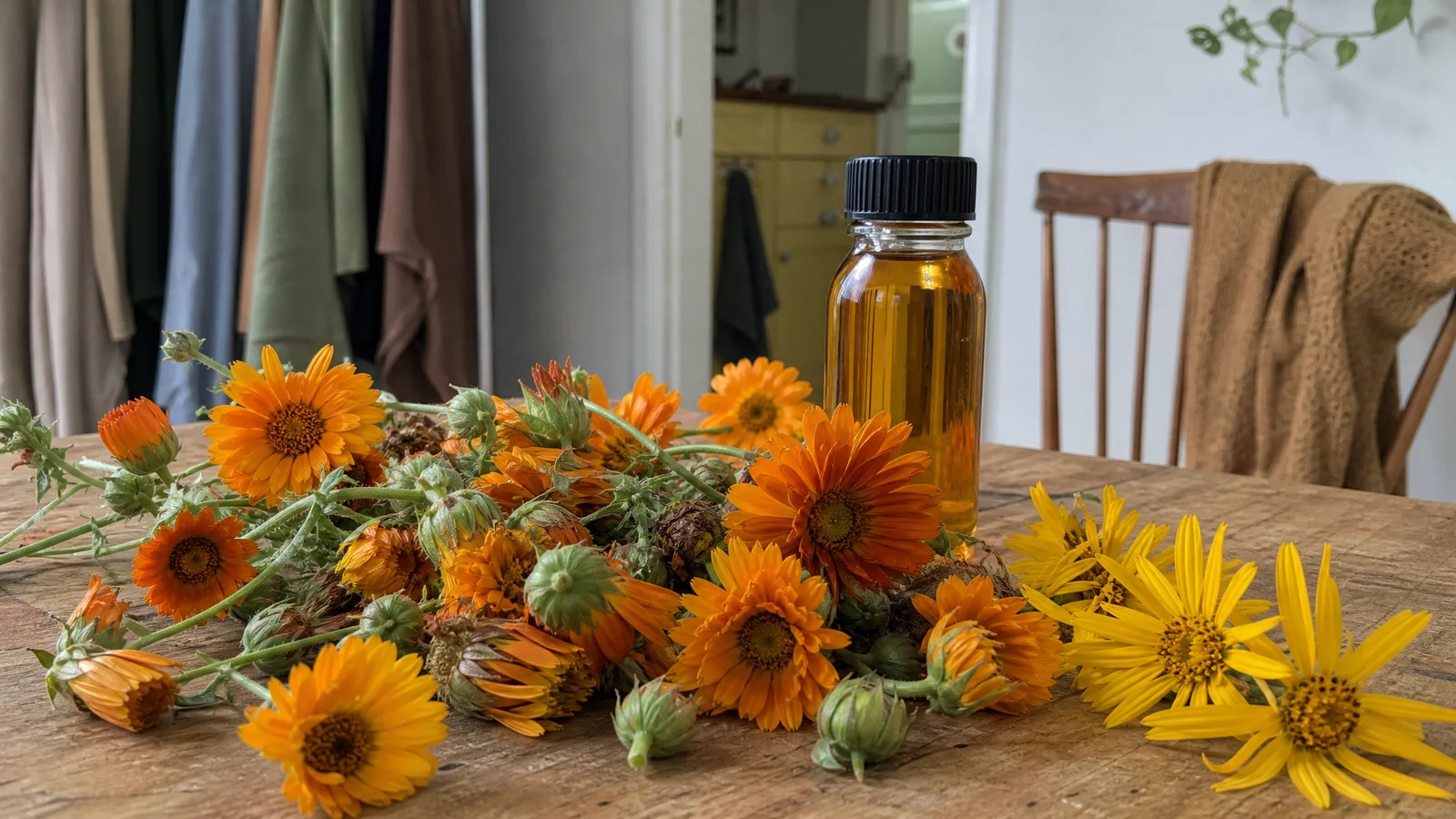
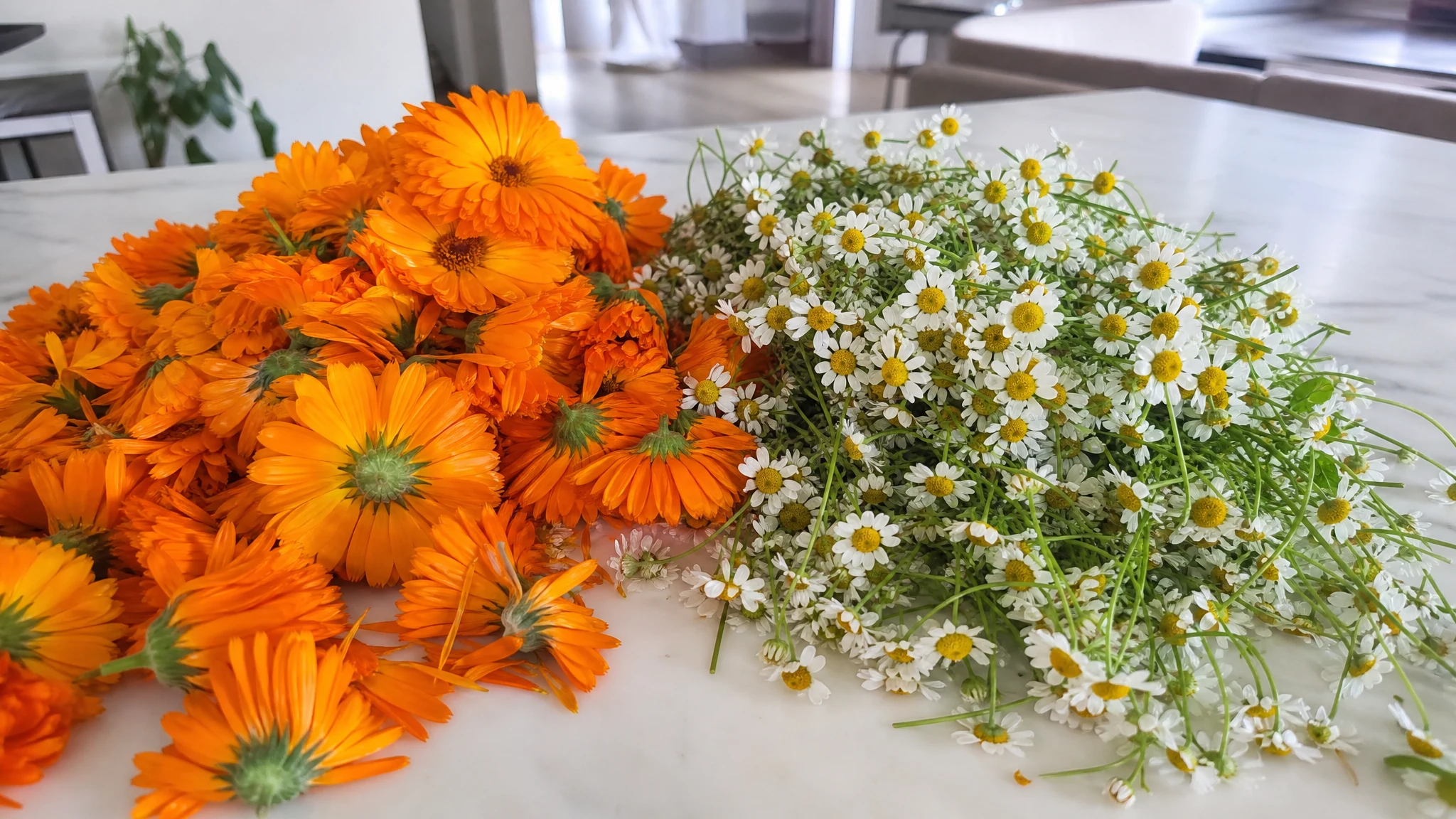
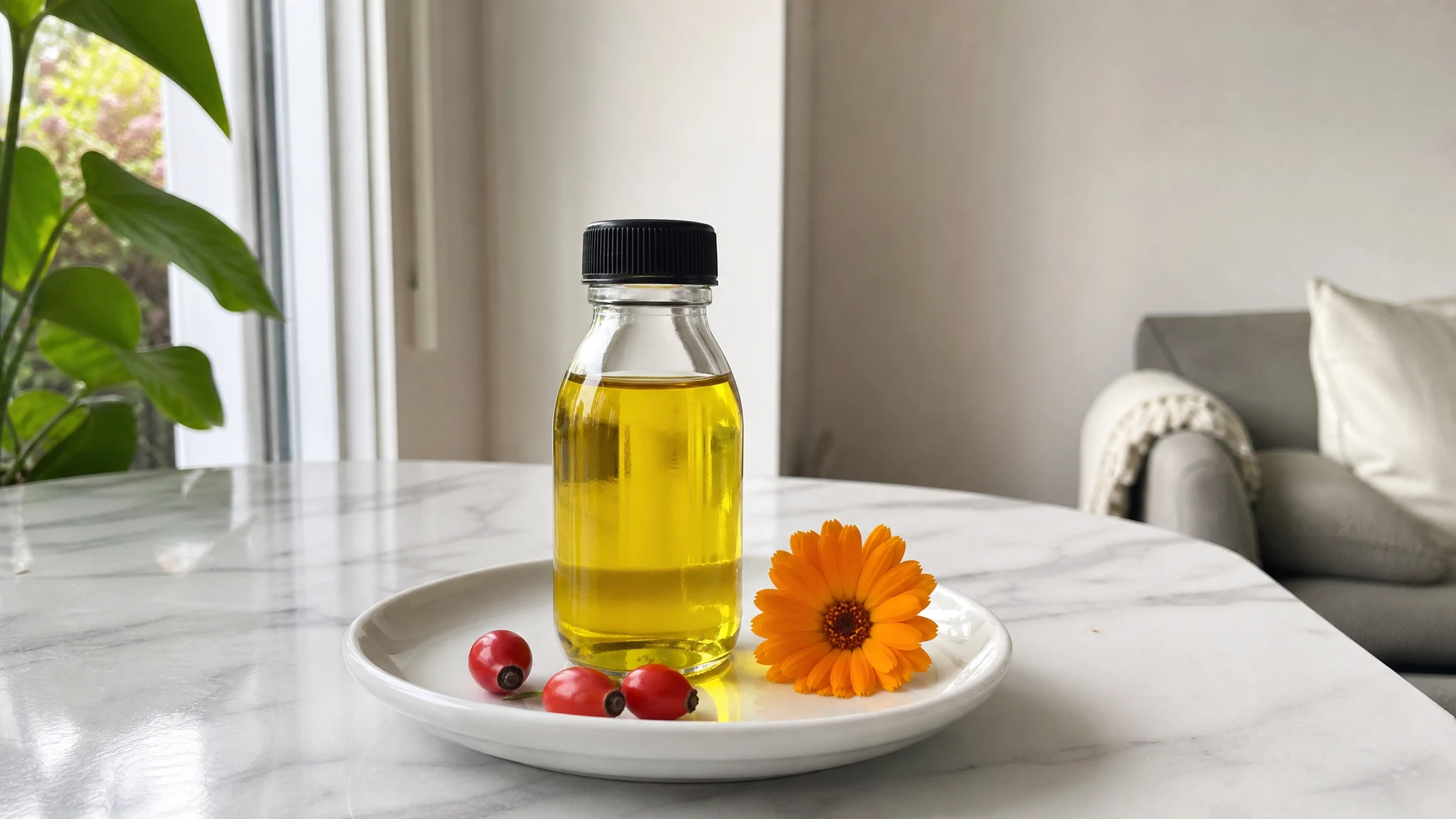
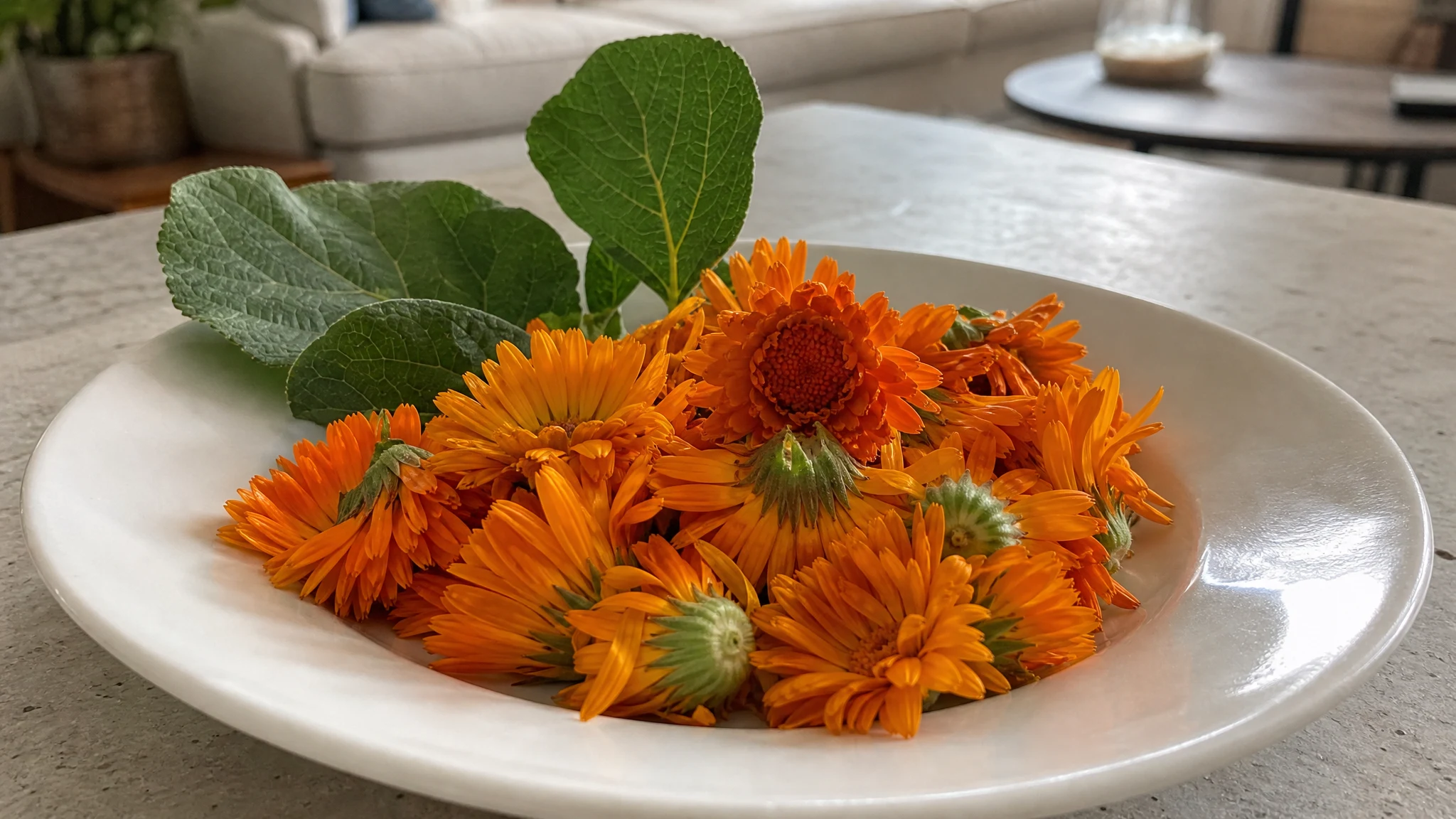
Put calendula and witch hazel side by side and it looks like a head-to-head, but they are not really competing for the same job. Witch hazel is a water-based distillate that tightens and wipes. Our calendula is an oil, made by infusing whole flowers and bringing the extract into a carrier oil, and it softens and seals. One takes the surface oil off; the other adds some back. The better question is which job you actually want done.

Calendula Oil
Our own small-batch calendula oil, in sizes from 0.5 oz to bulk.
From $13.99
Shop Calendula Oil →Toner or oil: which texture do you want?
If you want something that feels crisp and dry on a shiny T-zone, an oil is the wrong tool and we would say so plainly. A toner is built for that sensation. If your skin feels tight, stripped or a little red after cleansing, scrubbing or a bout of cold weather, an oil is a gentler kind of help: it sits on the surface and slows water loss rather than pulling more moisture away. That is reasoning from what each product is, not a trial result, and it is the quickest way to decide.
It also means you rarely need to choose. Plenty of people use something water-based first and a few drops of oil afterwards. Read the witch hazel label as you would any other, because many bottles add alcohol or fragrance, and those matter more to how a toner feels than the plant does.
How do witch hazel and calendula oil feel?
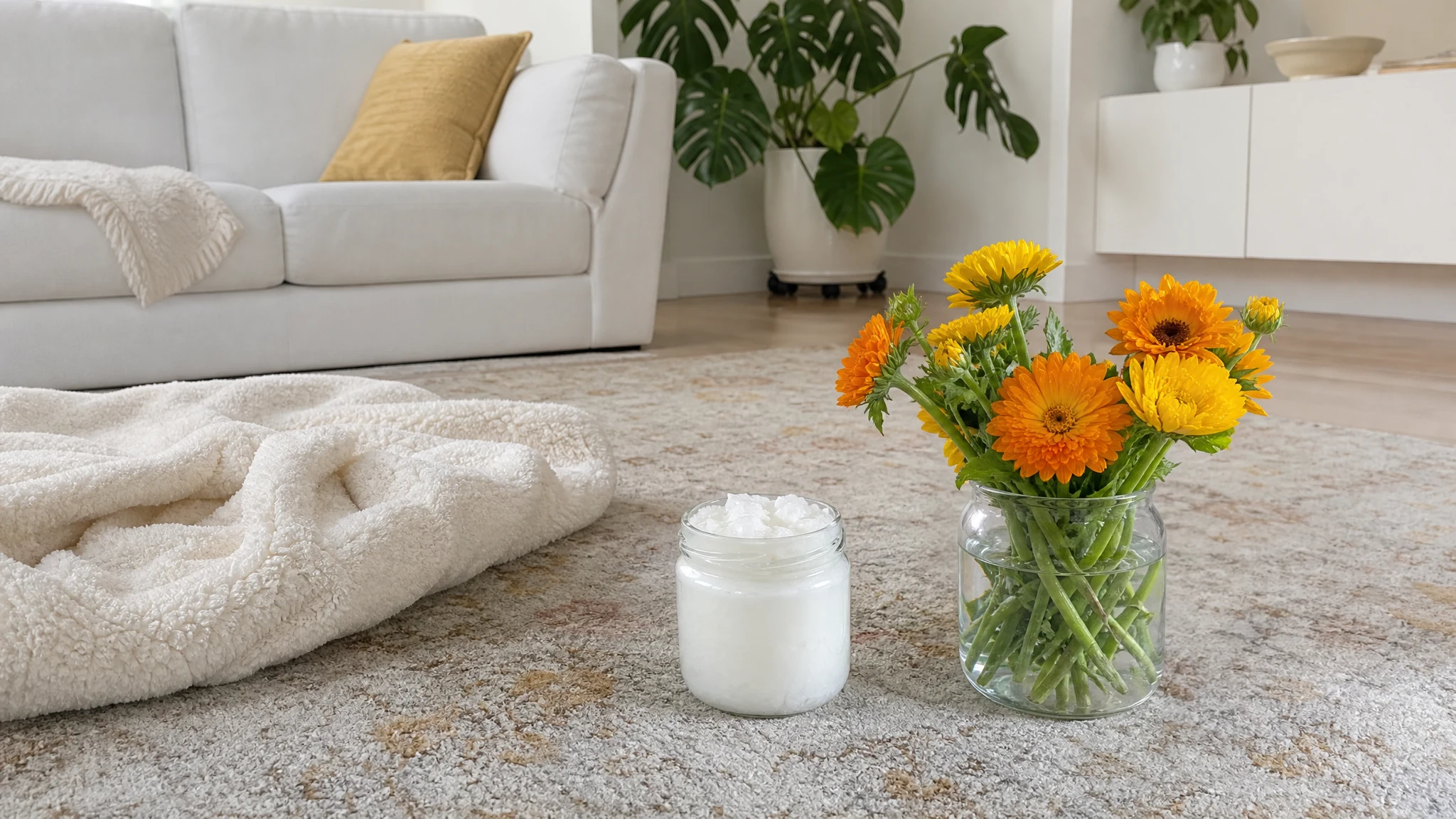
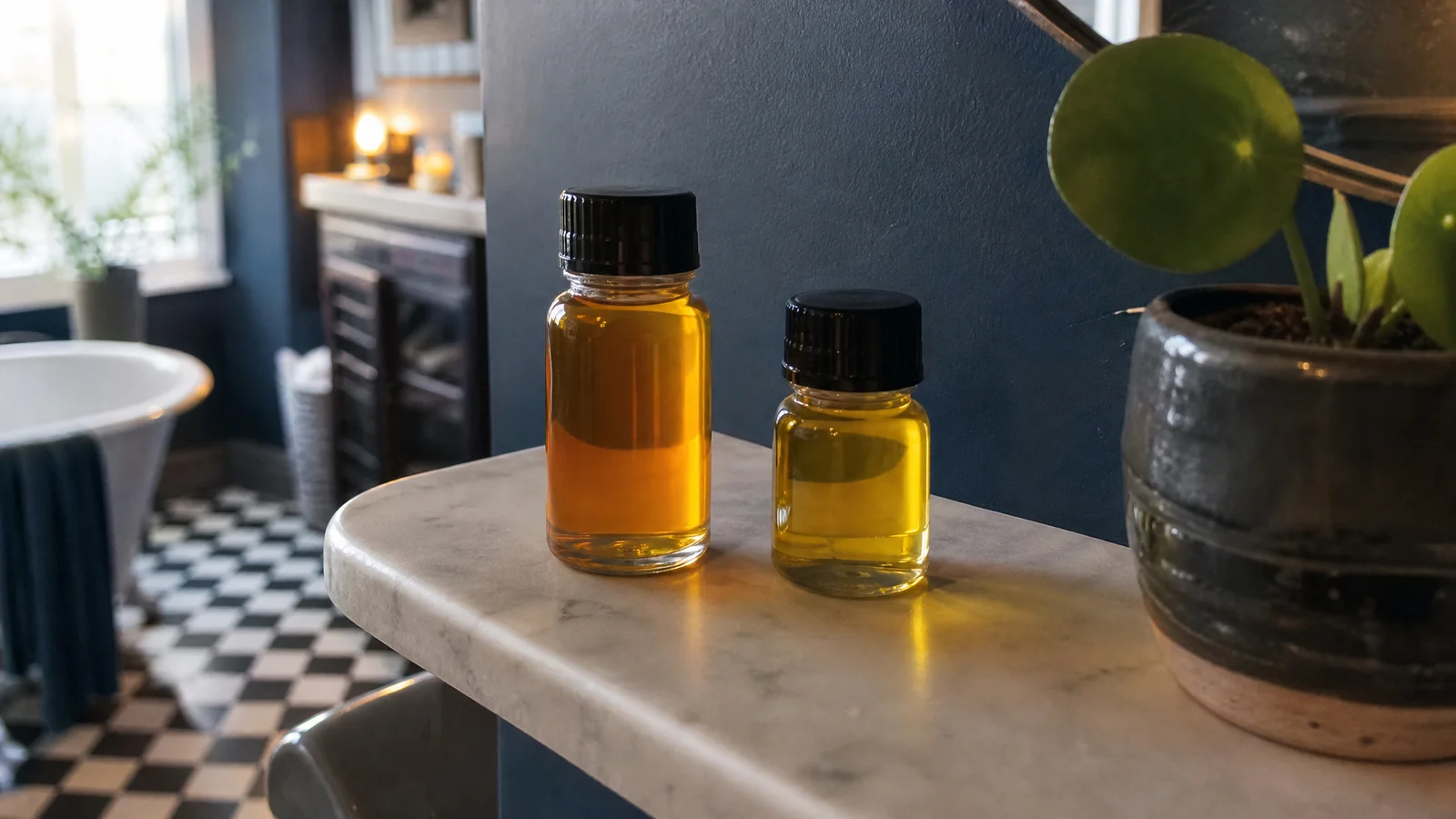
The quickest way to understand the two is to notice how they feel. A water-based toner is cool and light, it evaporates in moments, and your skin may feel tighter and cleaner afterward. An oil is the opposite: a few warm drops spread slowly, leave a soft film, and skin feels cushioned instead of crisp. Neither sensation is wrong. It is simply a question of which one you want at that moment.
If you try them together, put the water-based product on first, give it a minute, and then add only a couple of drops of oil. More than that tends to feel heavy, and you can always add a drop later.
Witch hazel studies on UV-irradiated skin
The research is thinner than the shelf space suggests. In a randomized trial with 40 healthy volunteers, researchers irradiated patches of skin on the back with UV light and then tried seven plant formulations, witch hazel among them. Several showed a hint of a calming effect, but only aloe vera reached statistical significance. That was a short experiment on healthy skin, not a breakout study.
For blemish-prone skin specifically, the closest evidence is a laboratory one. A 2022 paper found that a witch hazel bark extract reduced inflammatory signals in skin cells exposed to acne bacteria but showed no antibacterial activity of its own. Cells in a dish are an interesting lead, and a long way from a bottle on your bathroom shelf.
Calendula research on mask-related breakouts
The calendula picture is similar. The nearest thing to an acne trial involved 66 people with mask-related breakouts who used a serum that combined snail secretion filtrate, calendula and licorice root extract for 12 weeks. Inflammatory spots dropped more than with placebo, while blackheads and whiteheads did not differ (Puaratanaarunkon et al., 2022). With three active ingredients in one serum, nobody can say how much of that belongs to calendula, and an infused oil is a different product again. We are glad to share what the trial found; we will not tell you our oil does the same.
When is a dermatologist the better first stop?
Neither plant appears among the treatments the American Academy of Dermatology guideline backs most strongly for acne, which are benzoyl peroxide, topical retinoids, topical antibiotics and oral doxycycline (Guidelines of care for the management of acne vulgaris). So if breakouts are painful, deep or stubborn, the conversation to have is with a dermatologist or your primary care clinician. Persistent redness deserves the same attention, because contact allergy can look just like irritation, and the cause is not always the newest product.
Trying calendula oil carefully after a patch test
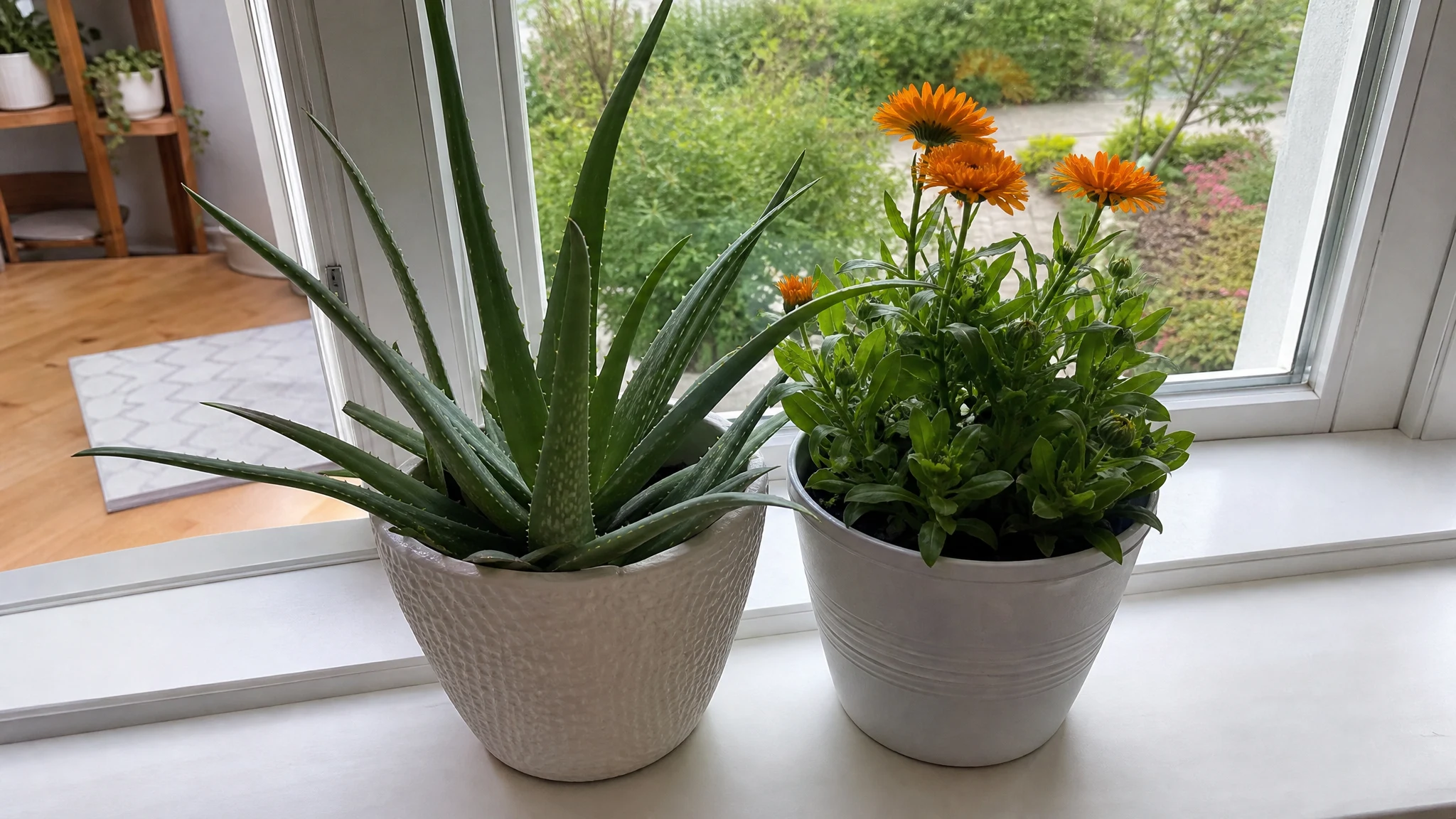
Calendula belongs to the daisy family, Asteraceae, and the EU herbal committee lists allergy to that family as a reason not to use it, noting that skin sensitization has been reported (see the European Union herbal monograph on Calendula officinalis L., flos). If ragweed, chamomile or chrysanthemums bother you, skip our oil. Otherwise, a patch on your inner forearm for a week is a sensible first step, and our patch test guide walks through it. Introduce one new product at a time so a reaction is easy to trace.
Evening routine: toner, oil or both
For a simple evening routine, wash your face, pat it until it is slightly damp, and then decide what you want. Cooling and crisp? Choose a toner. Soft and cushioned? Choose an oil. Many people settle on one in the morning and the other at night, and that is perfectly reasonable. We suggest changing one thing at a time, so you can tell what your skin likes.
If you are curious how an oil sits on a breakout-prone face, our pieces on whether calendula oil is comedogenic and using it on your face go further. Our oil has nothing added, and the carrier it is made in is on the batch paperwork, so email us the lot number from your bottle if you want to see it before you decide.
So here is where we land: choose witch hazel when you want a toner, choose an oil when you want something softening, and treat neither as a stand-in for the care a dermatologist can give you.
Calendula Oil
Nature's Golden Botanical, bottled: small-batch calendula oil in sizes from 0.5 oz to bulk.
From $13.99
Shop Calendula Oil →Sources & Further Reading
- Guidelines of care for the management of acne vulgaris (Reynolds et al., 2024)
- Antiinflammatory potential of seven plant extracts in the ultraviolet erythema test. A randomized, placebo-controlled study (Beikert et al., 2013)
- Anti-Inflammatory and Anti-Acne Effects of Hamamelis virginiana Bark in Human Keratinocytes (Piazza et al., 2022)
- Efficacy and safety of a facial serum containing snail secretion filtrate, Calendula officinalis, and Glycyrrhiza glaba root extract in the treatment of maskne: A randomized placebo-controlled study (Puaratanaarunkon et al., 2022)
- European Union herbal monograph on Calendula officinalis L., flos (EMA/HMPC/437450/2017)