Calendula Oil Clay Mask: A Simple Fresh-Mix Recipe
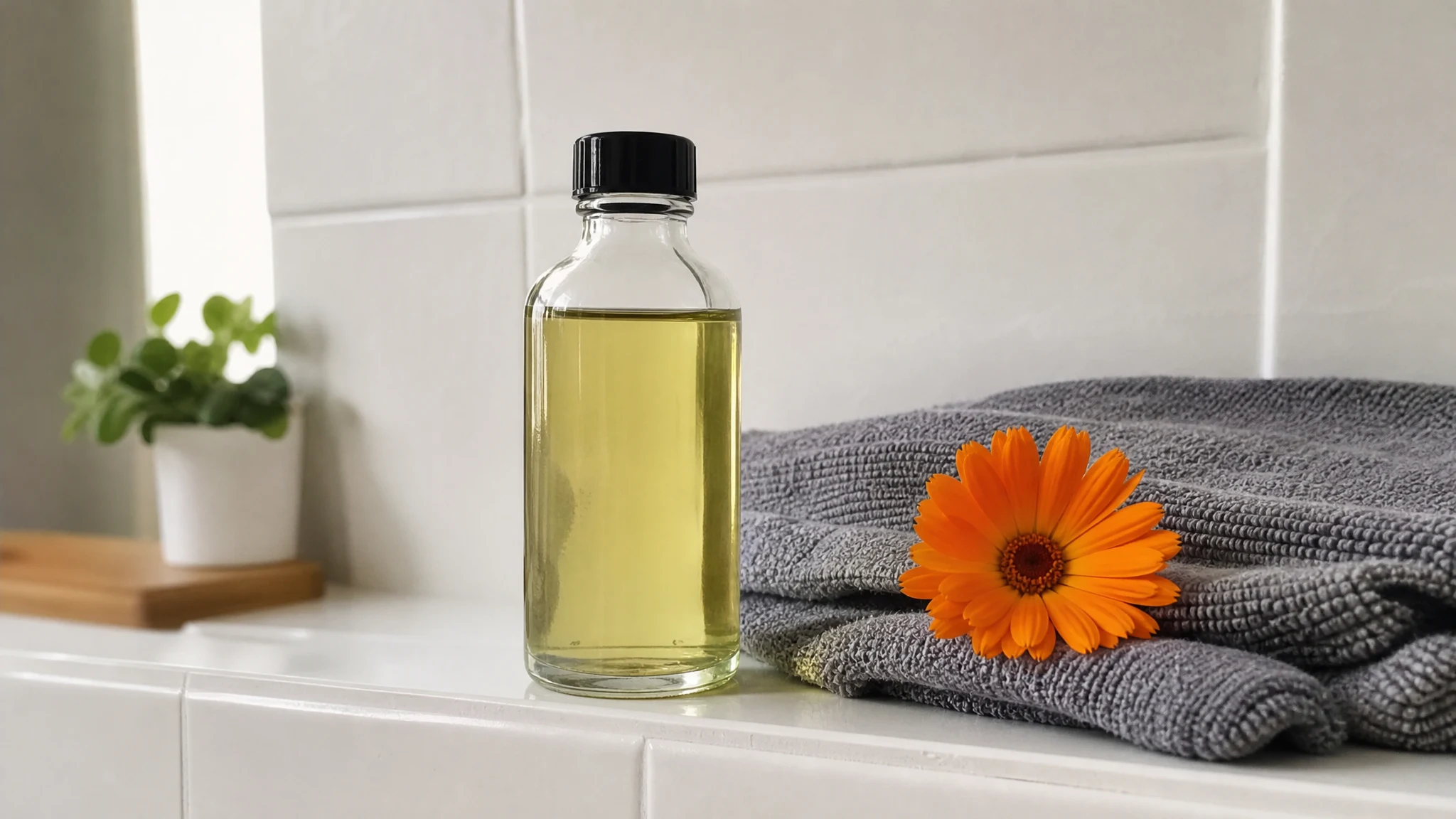
A clay mask is a quiet little ritual: a cool paste, ten minutes of stillness, a rinse. Adding a few drops of calendula oil makes it feel softer and more cushioned on the skin, and that is really what the oil is for here. The clay is the mask; the oil is the finishing touch.

Calendula Oil
Our own small-batch calendula oil, in sizes from 0.5 oz to bulk.
From $13.99
Shop Calendula Oil →Calendula oil clay mask: a fresh-mix recipe
There is no standard ratio for a clay and oil mask, so these amounts are our suggestion, worked out from how the ingredients behave. Adjust them to suit your skin.
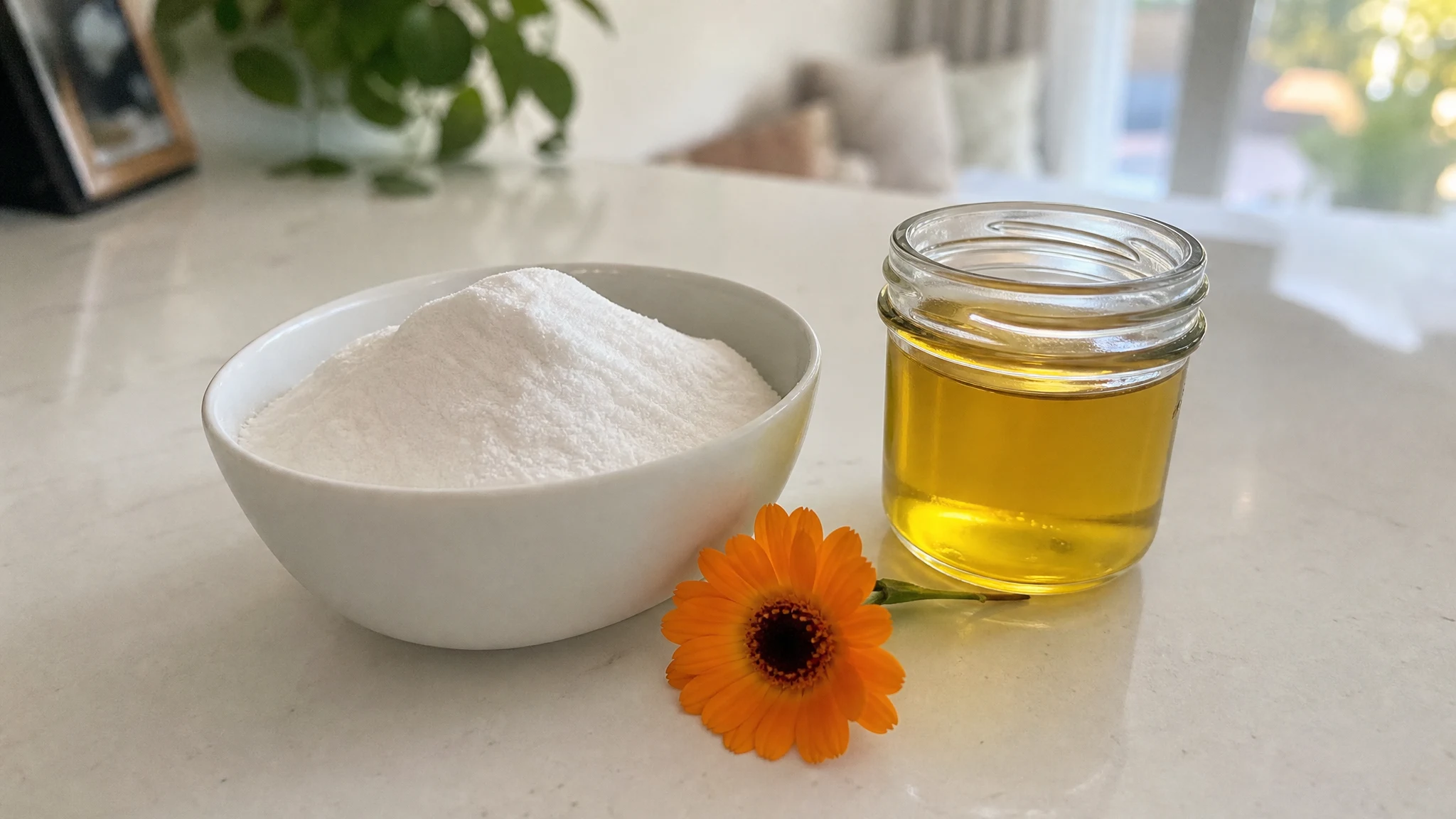
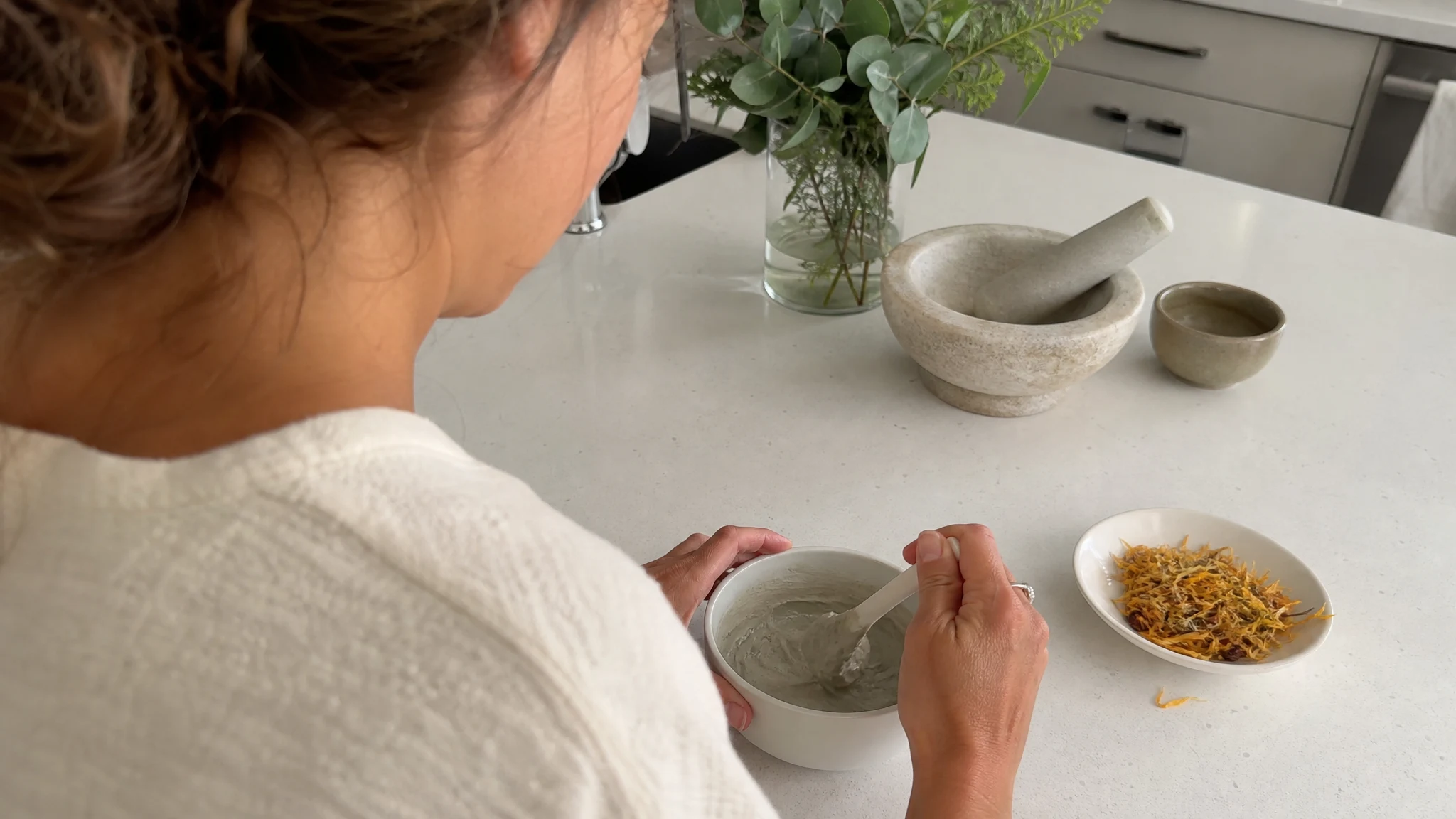
- 1 tablespoon of dry cosmetic clay in a clean, non-reactive bowl (a glass or ceramic one works well).
- About 1 to 2 teaspoons of water, added a few drops at a time until you have a spreadable paste.
- 3 to 5 drops of calendula oil, stirred in last.
The oil goes in last and in small amounts because oil and water do not blend, and it is the dry clay that holds the drops in the paste. Add more and the paste loosens and starts to feel greasy, which is a different kind of mask. We would keep it to the clay, the water and the oil. Honey, essential oils and witch hazel each add another possible irritant, and a mask this simple does not need them.
Clay, water and a small bowl are all easy to find at a craft shop, a pharmacy or the baking aisle of a natural grocery store.
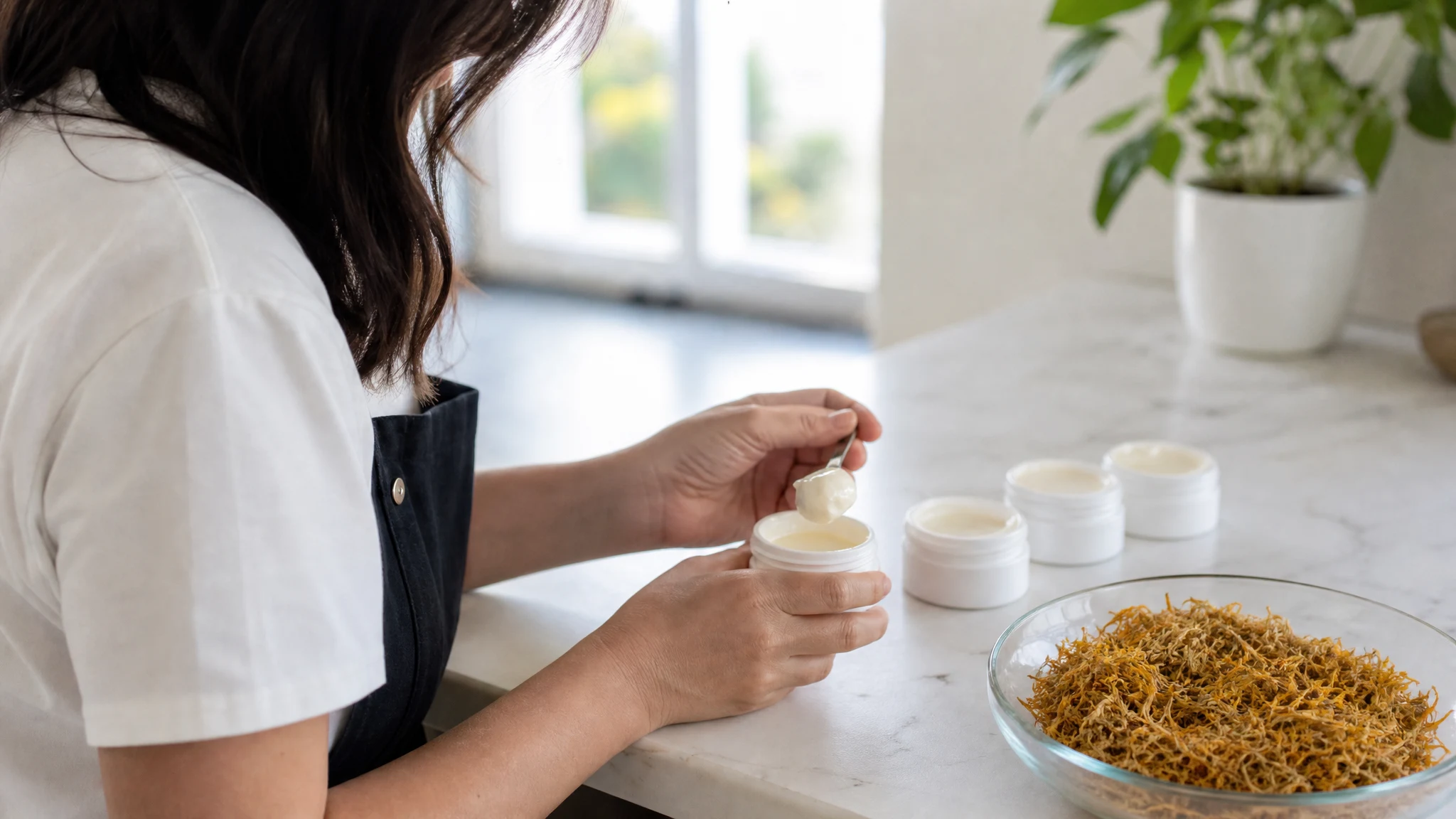
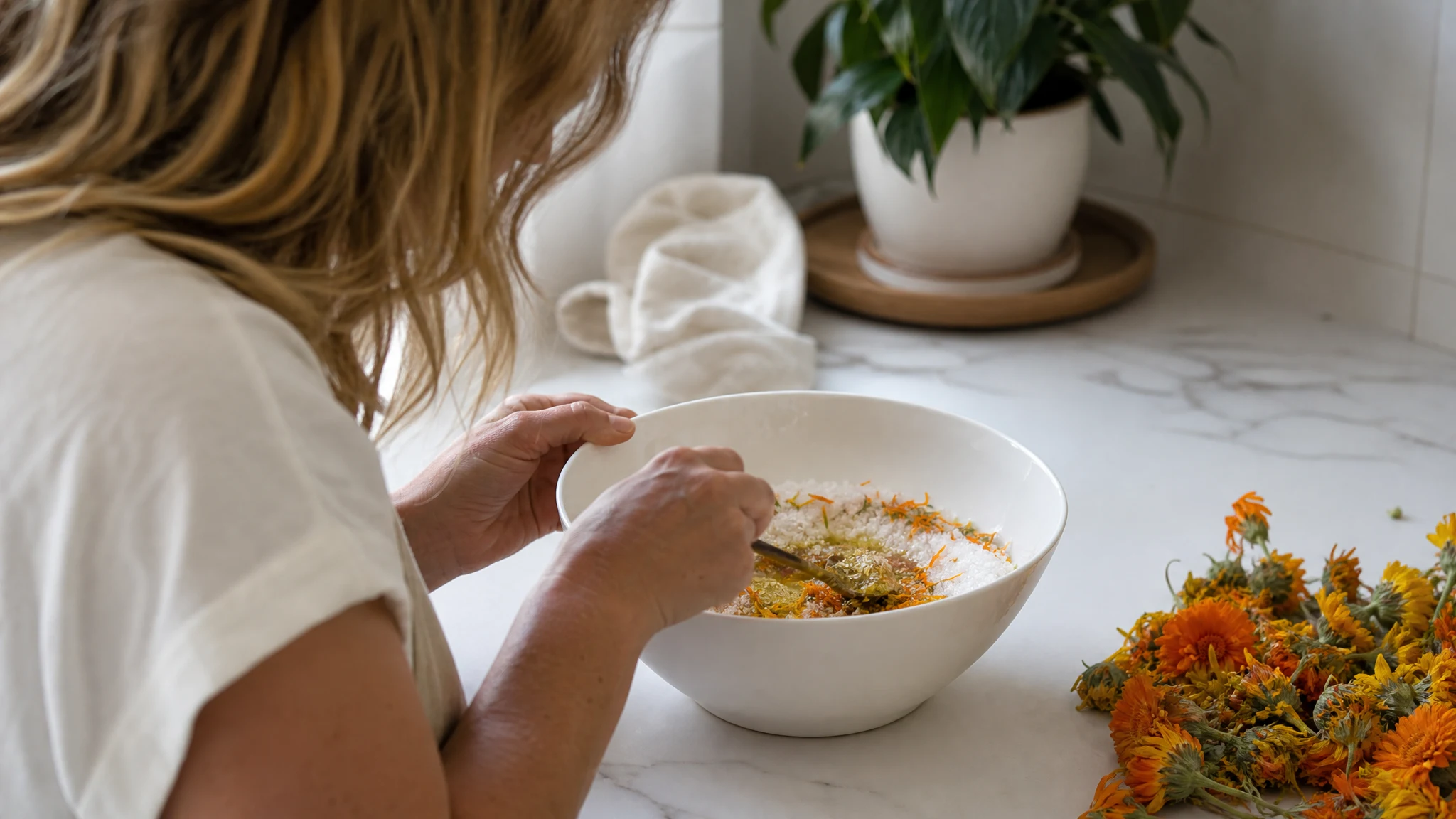
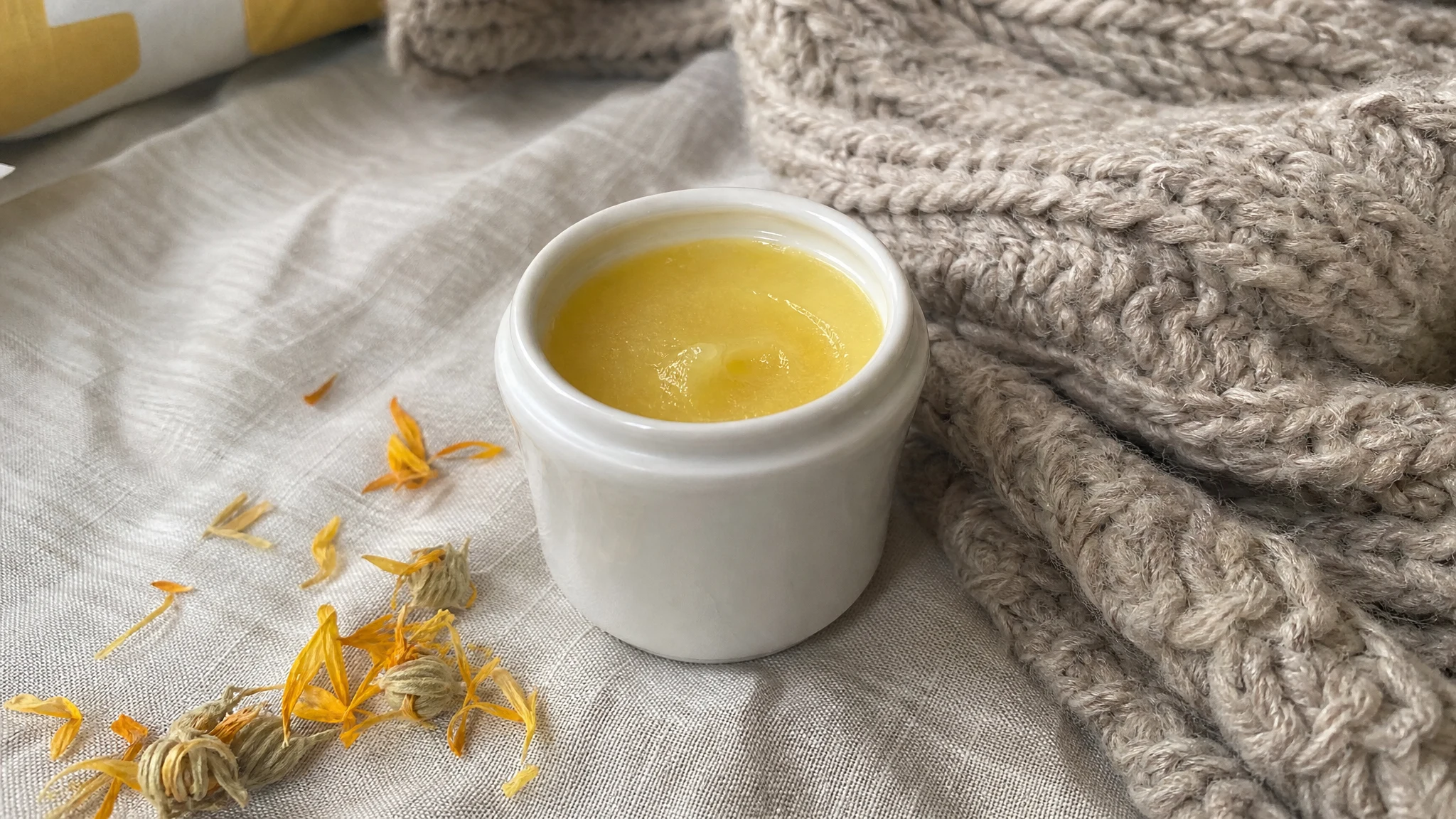
Part of the pleasure here is how little you need. Set out a small bowl, a spoon and a towel before you begin, and tie your hair back. Stir the clay with the water until the lumps are gone, then add the oil and give it one more stir. You will notice the paste turn from chalky to smooth, with a faint golden cast where the oil has gone in.
Applying a clay mask on clean skin
- Wash your hands and the bowl, and mix only what you will use once.
- Smooth a thin layer over clean skin, keeping clear of your eyes and lips. The Cosmetic Ingredient Review expert panel noted that calendula-derived ingredients may be mild ocular irritants, so keep the paste well away from the eye area.
- Leave it on briefly and rinse with lukewarm water. If skin feels tight or stings, rinse sooner. Your skin is the best timer here, and clays vary from brand to brand, so follow the directions on yours.
- Pat dry and follow with your usual moisturizer. A dab of the same calendula oil on damp skin is a nice finish.
When you rinse, take your time. Use your fingertips in small circles with lukewarm water, and keep a soft cloth nearby for the last bits near the hairline. Clay dries quickly and can cling at the edges, so loosening it with a damp cloth is gentler than scrubbing.
Why mix a clay mask fresh each time?
Once water meets a powder, you have a water-containing product, and those are the ones that need preservation. The FDA lists contaminated water, or other ingredients, and an ineffective preservation system among the ways cosmetics become contaminated, and a 2018 review of cosmetic preservation says water-containing cosmetics require preservation against microbes, confirmed by methods like challenge testing. A damp mask in the fridge has neither.
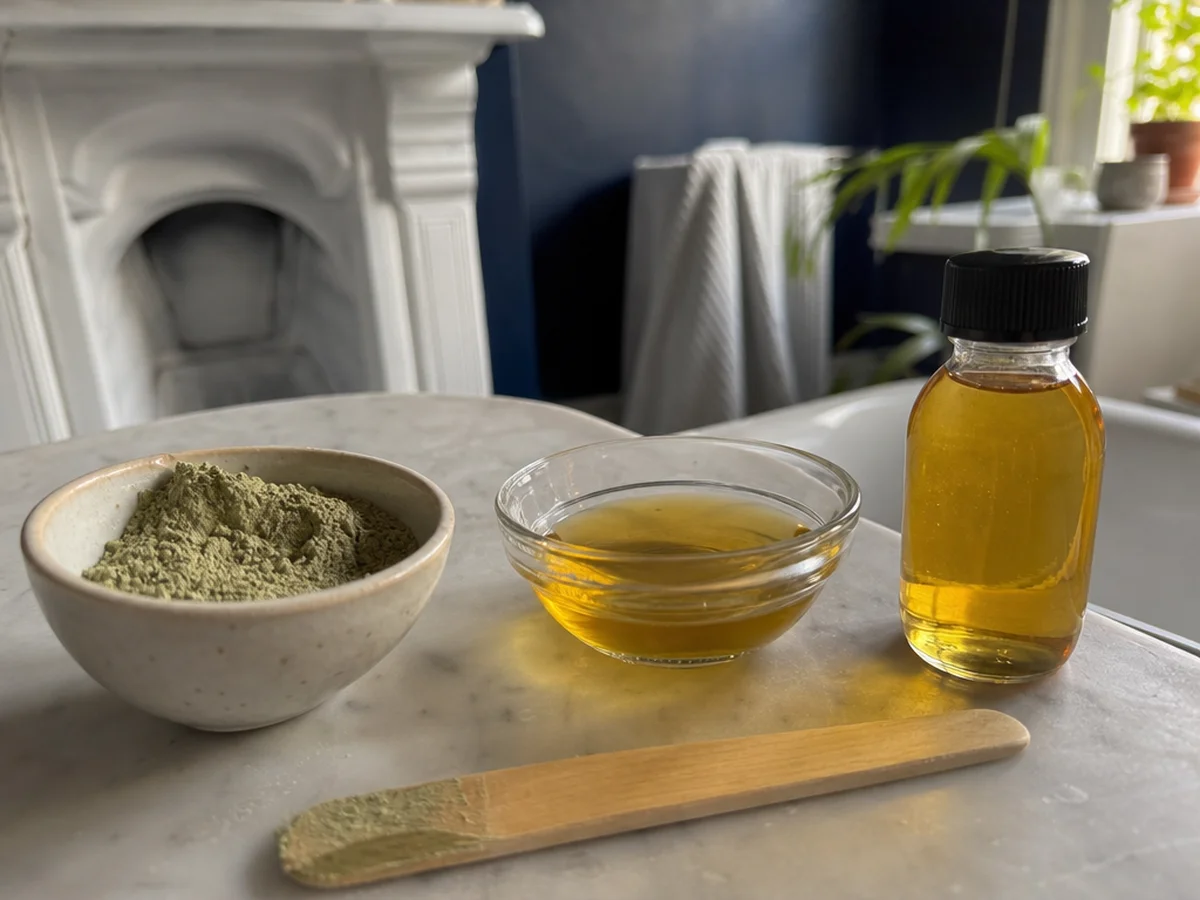
So we mix a single portion, use it, and rinse the bowl. Keep the dry clay and the oil in their own containers, where they stay as they were. Our own oil has no water in it, and nothing is added to it, which is why it keeps as an oil. It is only the mask that is a once-and-done affair.
Patch testing calendula oil before a clay mask
Calendula belongs to the daisy family, and the European herbal monograph lists hypersensitivity to Asteraceae plants as a contraindication, so we always suggest a patch test before the first mask. Dermatologists use the repeated open application test, which means applying a product to the inner forearm twice daily for a week or so, and a survey of American Contact Dermatitis Society members found no single standard. The American Academy of Dermatology notes that an allergic contact rash tends to appear hours or days after contact, which is why a quick dab can miss it. Our practical suggestion is to apply the plain oil to your forearm for a week before the first mask. Our patch test guide goes through the steps, and the ragweed allergy guide is useful if you react to daisies or chamomile.
The monograph does not recommend skin use under age six, and says safety in pregnancy and breastfeeding has not been established, so a pediatrician or an OB/GYN or midwife should weigh in for those cases. Skip any mask on broken or inflamed skin, and bring persistent redness or breakouts to a dermatologist.
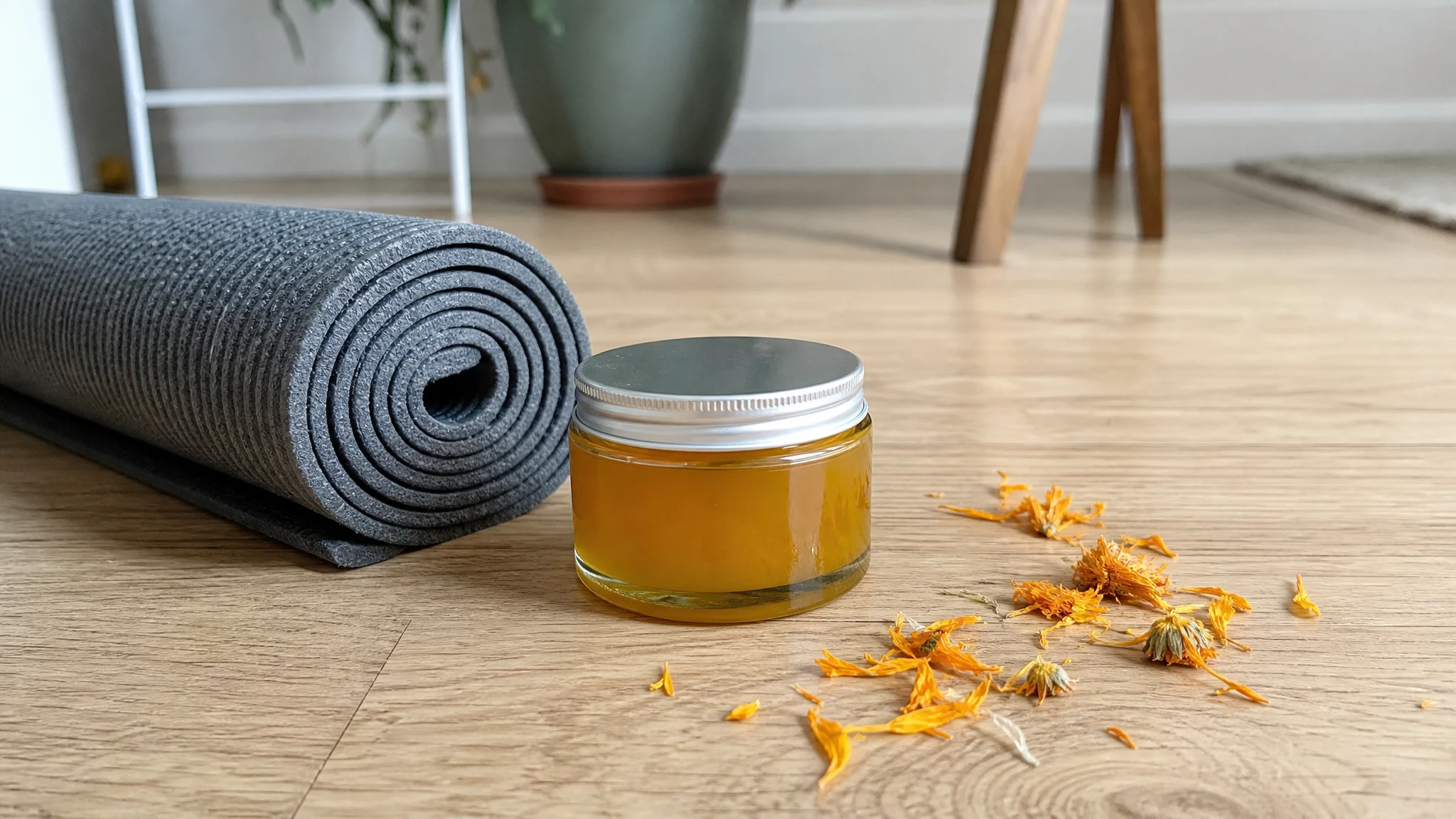
Make it a slow ten minutes. Put your phone down, play something quiet, and let the mask be the only thing on your list. We think small rituals like this are half the point, and an unhurried evening with a bowl and a few drops of oil tends to feel better than a rushed one.
What does calendula oil add to a clay mask?
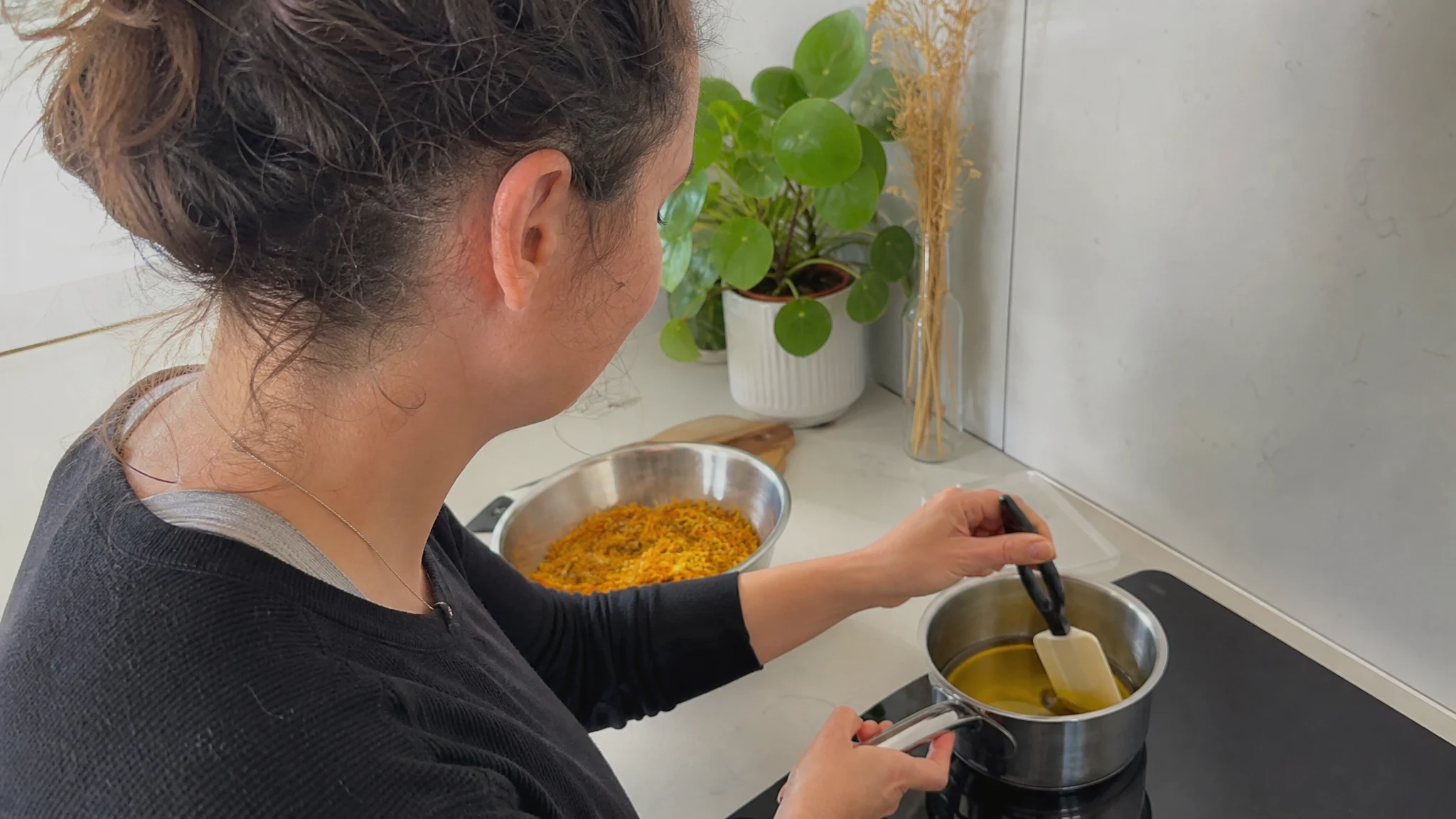
The oil does not make this a pore-cleansing treatment, and we do not promise anything of the kind. What it adds is feel: a softer, less tight rinse after the clay. If you are acne-prone and wonder how any oil sits on your skin, our comedogenicity explainer looks at what the ratings really mean, and Draelos and DiNardo's 2006 re-evaluation is a good read on why those ratings are hard to apply to a finished product. Our oil is an infusion of dried organically grown calendula flowers in a carrier oil, and the carrier is on the batch paperwork if you want to check it before use: email the lot number to [email protected].
A fresh bowl, a few drops, a rinse. That is the whole routine, and it is one of the nicer ways to give calendula oil a small role.
Calendula Oil
Nature's Golden Botanical, bottled: small-batch calendula oil in sizes from 0.5 oz to bulk.
From $13.99
Shop Calendula Oil →Sources & Further Reading
- FDA: Microbiological Safety and Cosmetics
- Halla N et al., Molecules, 2018: Cosmetics Preservation: A Review on Present Strategies
- Andersen FA et al., Int J Toxicol, 2010: Final report of the Cosmetic Ingredient Review Expert Panel amended safety assessment of Calendula officinalis-derived cosmetic ingredients
- European Medicines Agency: European Union herbal monograph on Calendula officinalis L., flos
- Hannuksela M, Salo H, Contact Dermatitis, 1986: The repeated open application test (ROAT)
- Brown GE et al., Dermatitis, 2015: Clinical Utilization of Repeated Open Application Test Among American Contact Dermatitis Society Members
- American Academy of Dermatology: Eczema types: Contact dermatitis overview
- Draelos ZD, DiNardo JC, J Am Acad Dermatol, 2006: A re-evaluation of the comedogenicity concept