Calendula Tincture vs Oil: What's the Difference?
"Calendula oil tincture" is a phrase that squeezes two different preparations into one. A tincture is calendula steeped in strong alcohol. Calendula oil, the kind we make, is calendula extracted into a carrier oil. Both start with the same golden flower, but the solvent changes everything about what you end up with, and it is worth knowing which one you actually want.

Calendula Oil
Our own small-batch calendula oil, in sizes from 0.5 oz to bulk.
From $13.99
Shop Calendula Oil →Solvent decides tincture versus infused oil
The European Union herbal monograph for calendula flower is a handy reference because it lists the preparations side by side. A tincture there is made at a 1 to 5 ratio of flower to extract, using ethanol at 70 to 90 percent. Liquid extracts at weaker ethanol strengths are listed separately. An oil extract appears as its own entry: a 1 to 10 liquid extract with a fatty vegetable oil, olive oil being the example (European Union herbal monograph on Calendula officinalis L., flos). So even in a regulator's vocabulary, alcohol and oil are separate extracts, and they do not blend into one liquid, since oil and strong alcohol do not mix. That last point is our reasoning from basic solvent behavior, so if you need a combined product, a trained formulator is the right person to ask.
The same documents are written for licensed traditional medicines, not kitchen experiments, which is worth remembering whenever you read a recipe online. The companion assessment report also makes a pleasant carrier note: peanut oil appears in older literature as a solvent, but the assessor does not recommend it because of a higher probability of adverse reactions (Assessment report on Calendula officinalis L., flos). It is a good reminder that the carrier is a choice with consequences.
Which calendula product suits a leave-on skin routine?
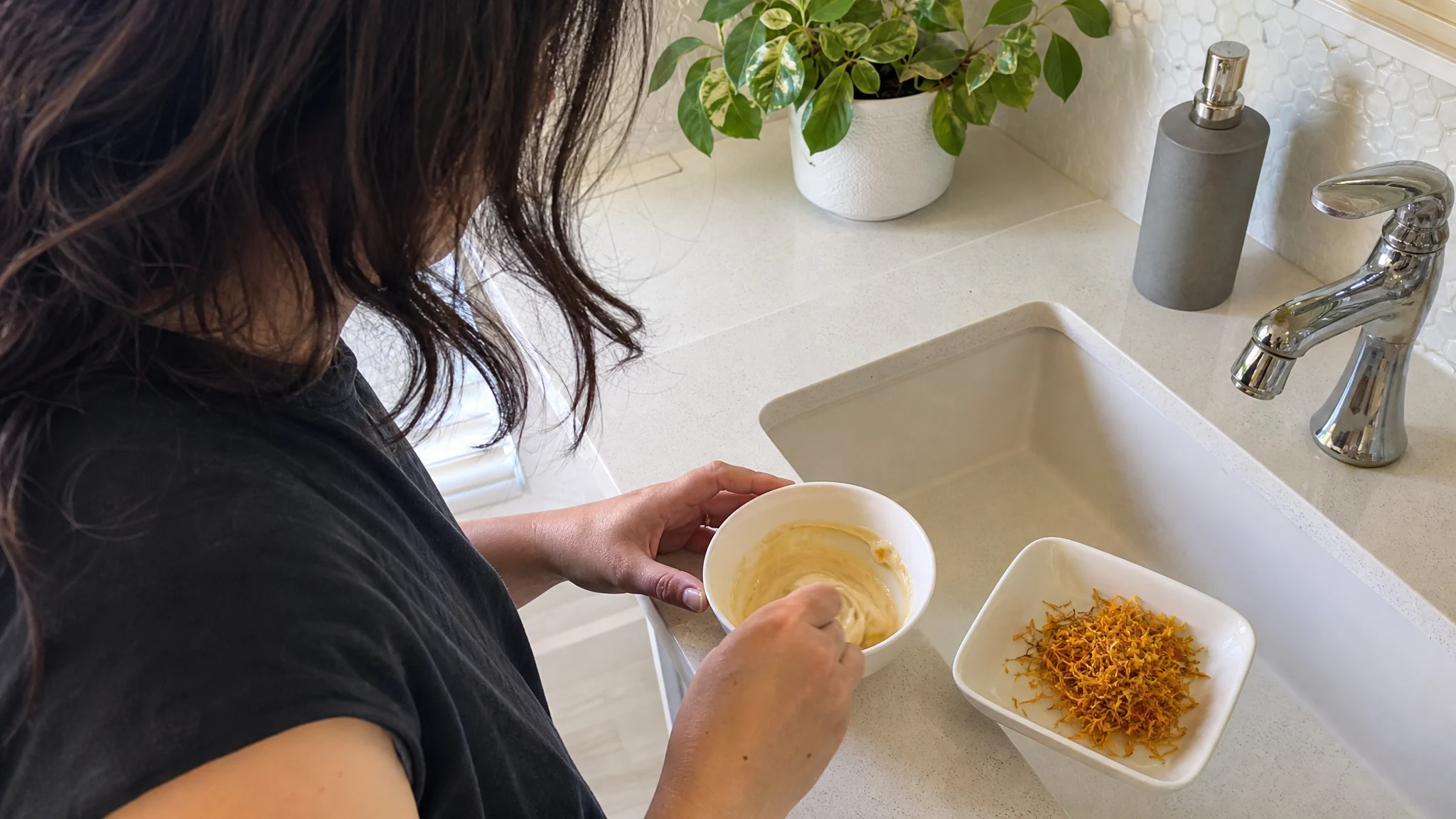
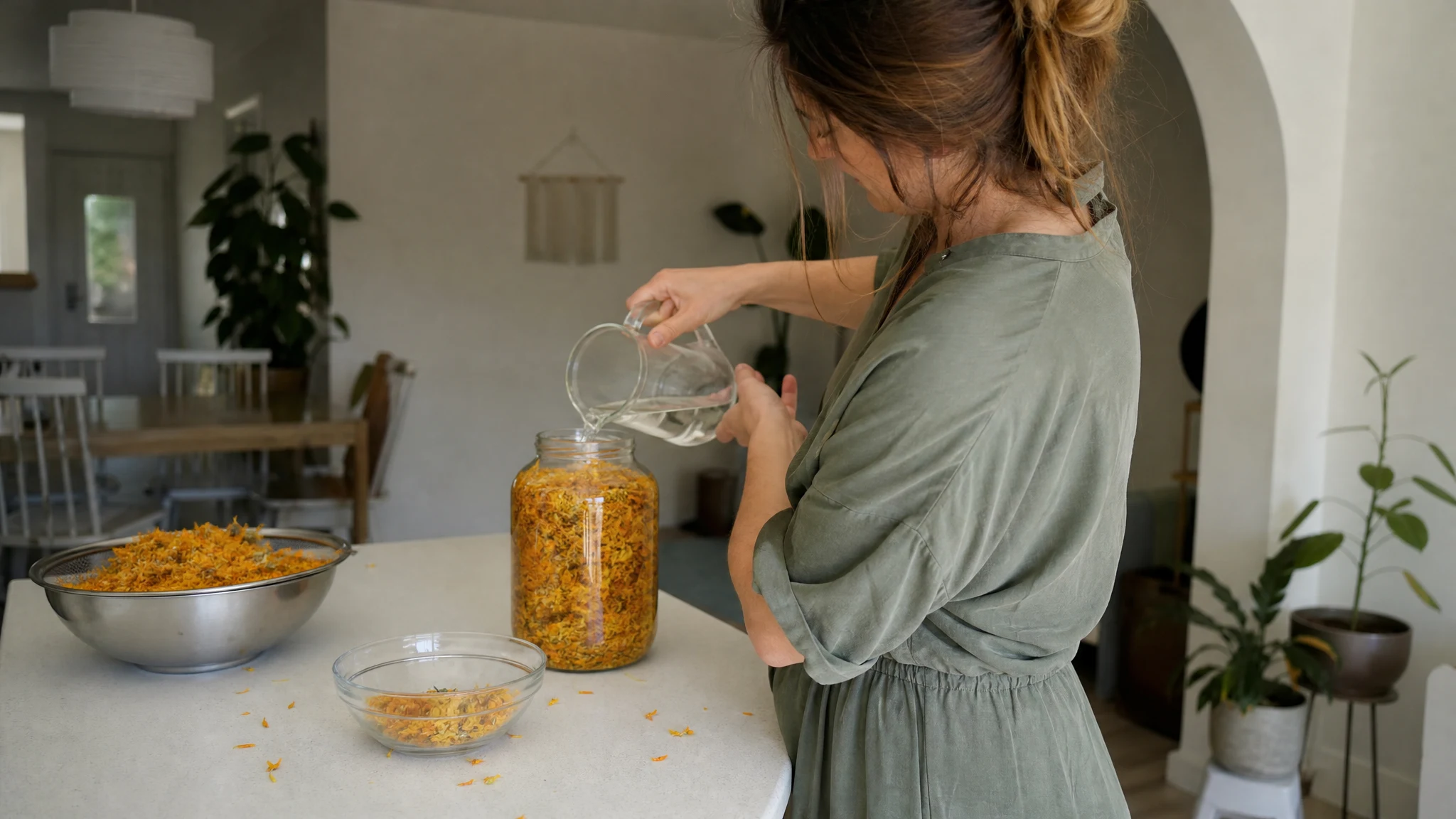
If you want a leave-on skin oil, the oil infusion is the natural fit, and you can buy one or make one. Dried flowers are the starting point. The University of Maine Cooperative Extension calls dried herbs the safest way to make infused oils because they lack the moisture that bacteria need, though its bulletin is written for food oils, so applying it to cosmetic oils is our own cautious extension (Bulletin #4385, Safe Homemade Flavored and Infused Oils). Our home infusion guide covers the steps, and the extraction methods comparison lines up the options.
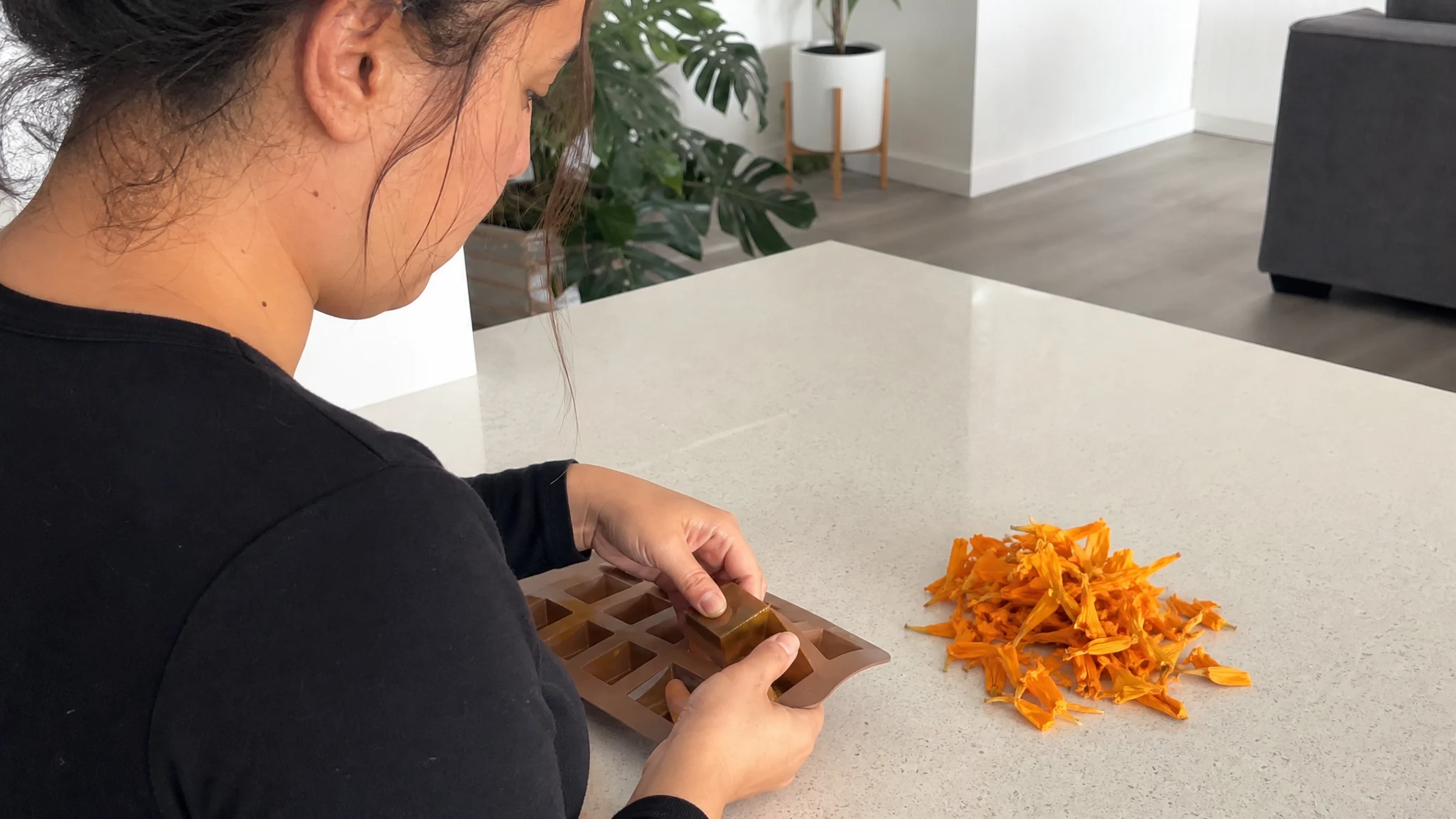
Here is how we make ours, so you can compare it to a home batch. We buy dried flowers and separate the petals by hand from sound, whole-dried heads. We extract calendula alone first, with nothing else in that extraction, then bring the extract into a carrier oil, and we make it in-house from dried flower to sealed bottle. Nothing is added afterward. If you want to know which carrier is in a given bottle, ask us for it on the batch paperwork.
Do tincture and oil look and feel different?
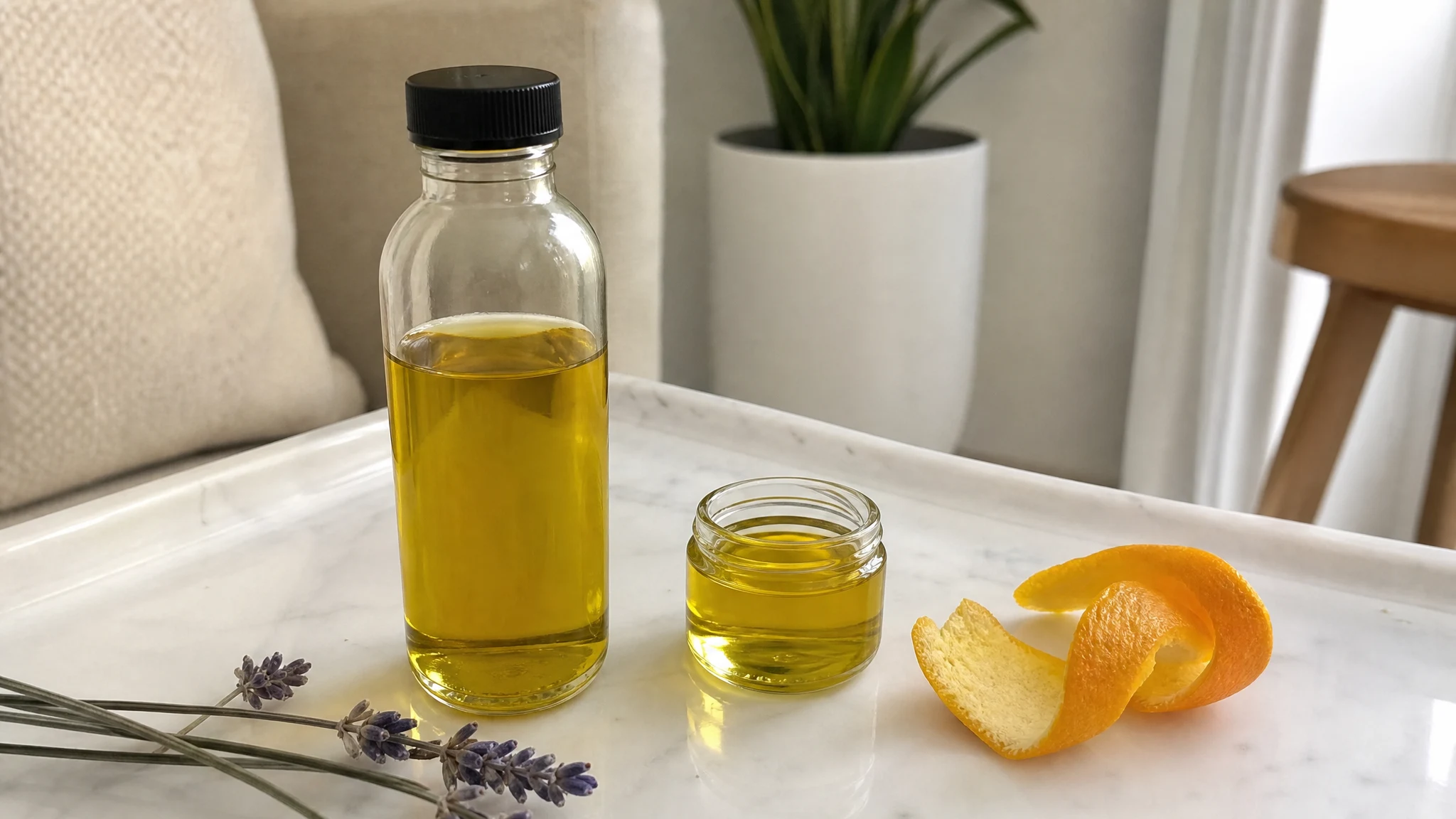
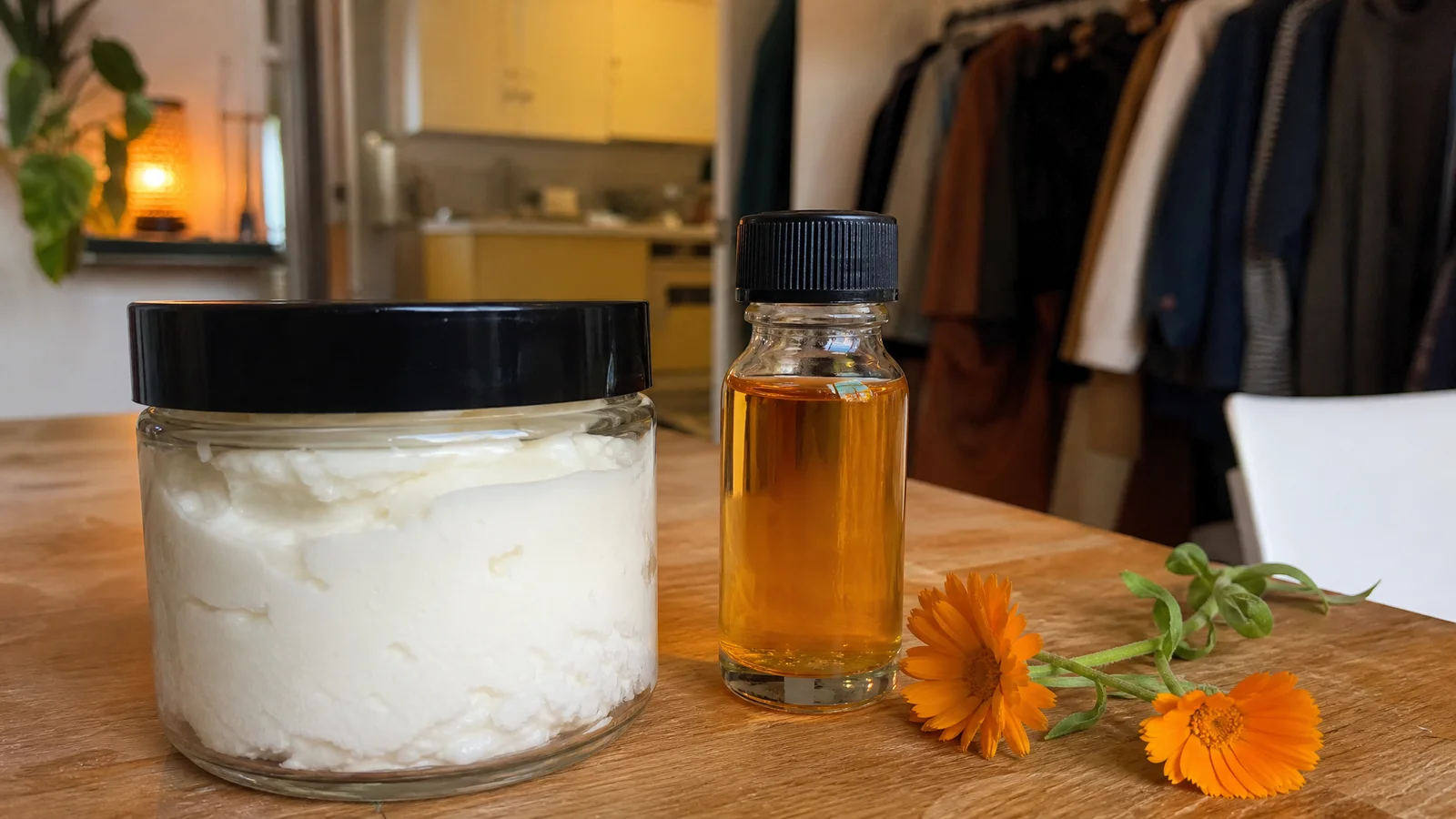
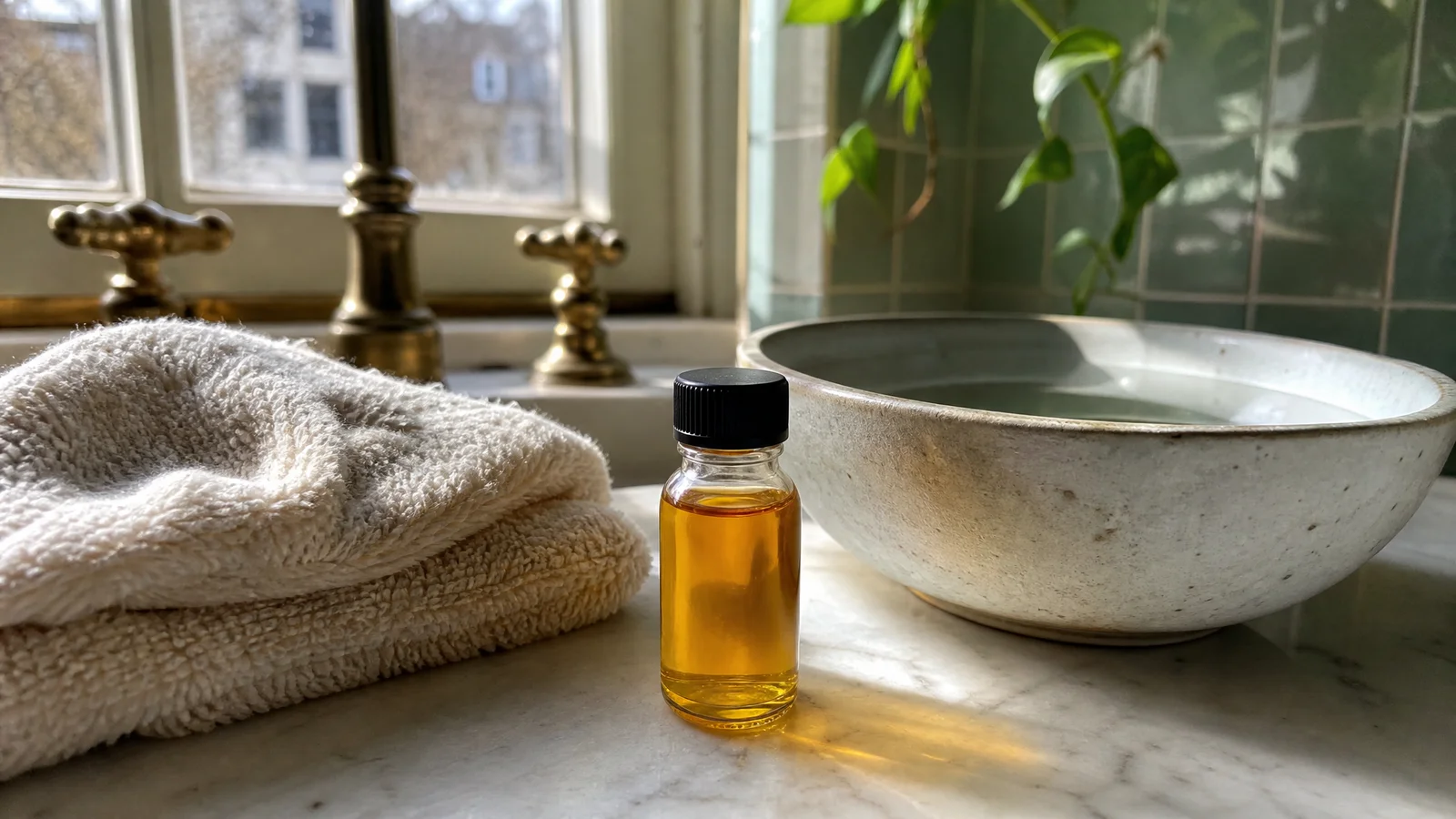
If you laid the two out on a table, you would see the difference straight away. A tincture is thin, runs like water and usually comes in a small dropper bottle. Calendula oil is golden, pours slowly and clings to your fingers. One evaporates and the other stays. That alone tells you most of what you need to know about where each belongs: a thin liquid for a lab-style project, a soft oil for a bathroom shelf.
Why is alcohol tincture its own project?
The sourced numbers for a tincture are the ones above: dried flower, a 1 to 5 ratio, ethanol at 70 to 90 percent. Beyond that, how long to steep, how often to shake and how long a finished tincture keeps are details a maker has to test and record. We would rather say so than hand you a number from a blog post. Ethanol at those strengths is flammable, so keep it away from flames and from children.
Tips for making your own calendula infusion
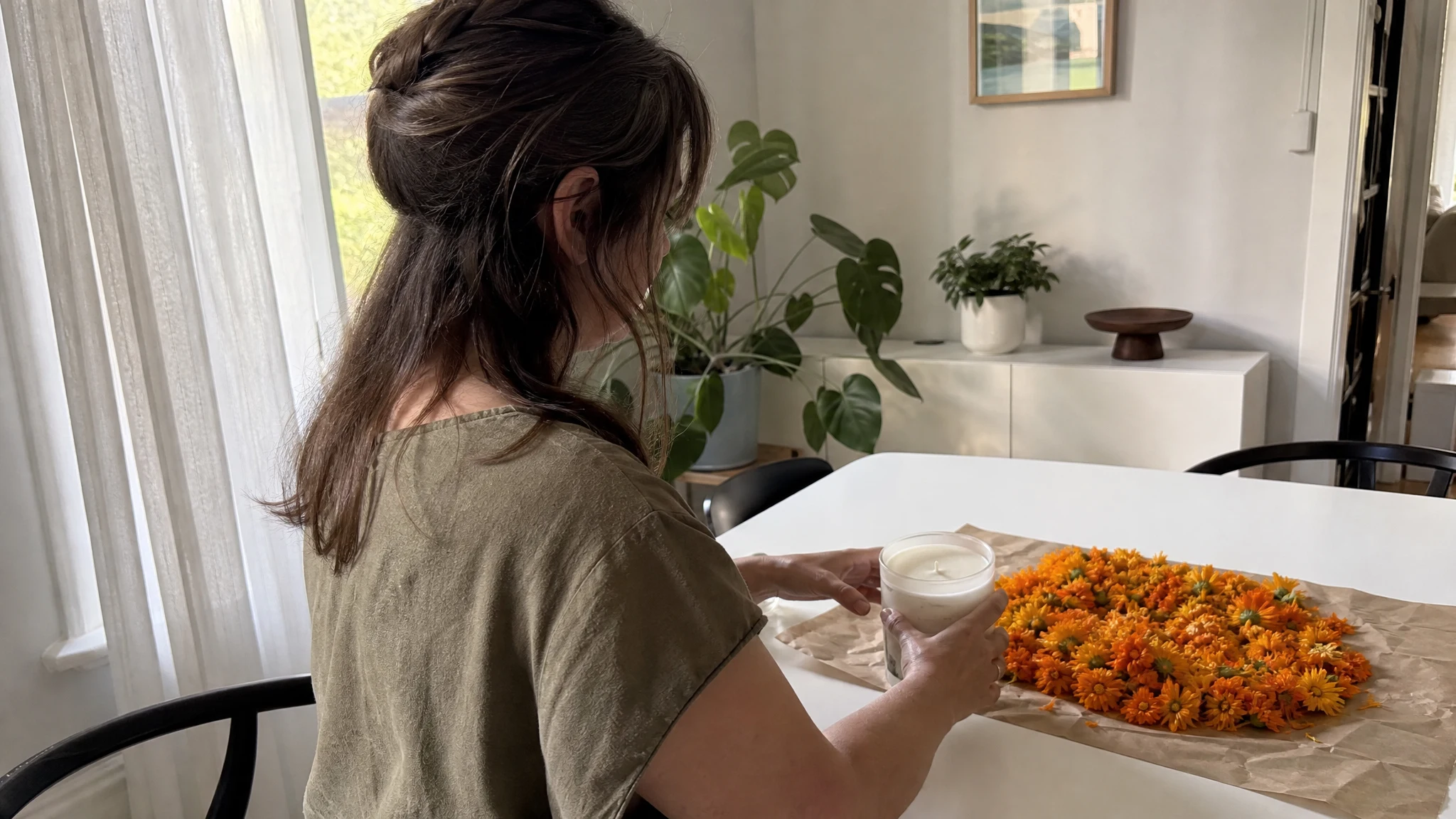
A small kitchen project goes better with a bit of planning. Gather clean, dry jars and a clear label with the date before you begin. Keep your notes, because the one thing you will forget in a month is how you made it. And store anything you make in a dark, cool cupboard, out of reach of children.
We make ours in-house from dried flower to sealed bottle, and we date and number every bottle for exactly this reason: what you cannot trace, you cannot repeat.
Calendula oil is cosmetic, not for swallowing
We make an external cosmetic oil, and we do not describe it for use by mouth. The EU monograph's mouth and throat use is a rinse or gargle within licensed traditional medicines, and it gives no dose for a homemade drink. If you are considering a calendula product to take internally, talk to a pharmacist or physician first. Our internal-use FAQ goes through the question from the buyer's side.
Allergy and age cautions for calendula preparations
- Daisy-family allergies matter. The monograph lists hypersensitivity to Asteraceae plants as a contraindication, so if you react to ragweed or chamomile, read our calendula and ragweed allergy piece and ask an allergist.
- The monograph does not recommend skin use for children under 6 and says safety in pregnancy and breastfeeding has not been established, so ask a pediatrician, OB/GYN or midwife first.
- If you take medication, ask a pharmacist before using any herbal preparation by mouth.
So the short version is easy to remember: alcohol makes a tincture, oil makes an oil, and the flower is the same either way. If your goal is a golden skin oil, the infusion is the one to make.
Calendula Oil
Nature's Golden Botanical, bottled: small-batch calendula oil in sizes from 0.5 oz to bulk.
From $13.99
Shop Calendula Oil →Sources & Further Reading
- European Medicines Agency, HMPC. European Union herbal monograph on Calendula officinalis L., flos. ema.europa.eu
- European Medicines Agency, HMPC. Assessment report on Calendula officinalis L., flos. ema.europa.eu
- University of Maine Cooperative Extension. Bulletin #4385, Safe Homemade Flavored and Infused Oils. extension.umaine.edu