
Ragweed Allergy and Calendula Oil: What We Know
Ragweed hay fever and calendula contact allergy are not the same thing. What research says, why no rate exists, and how to test carefully.
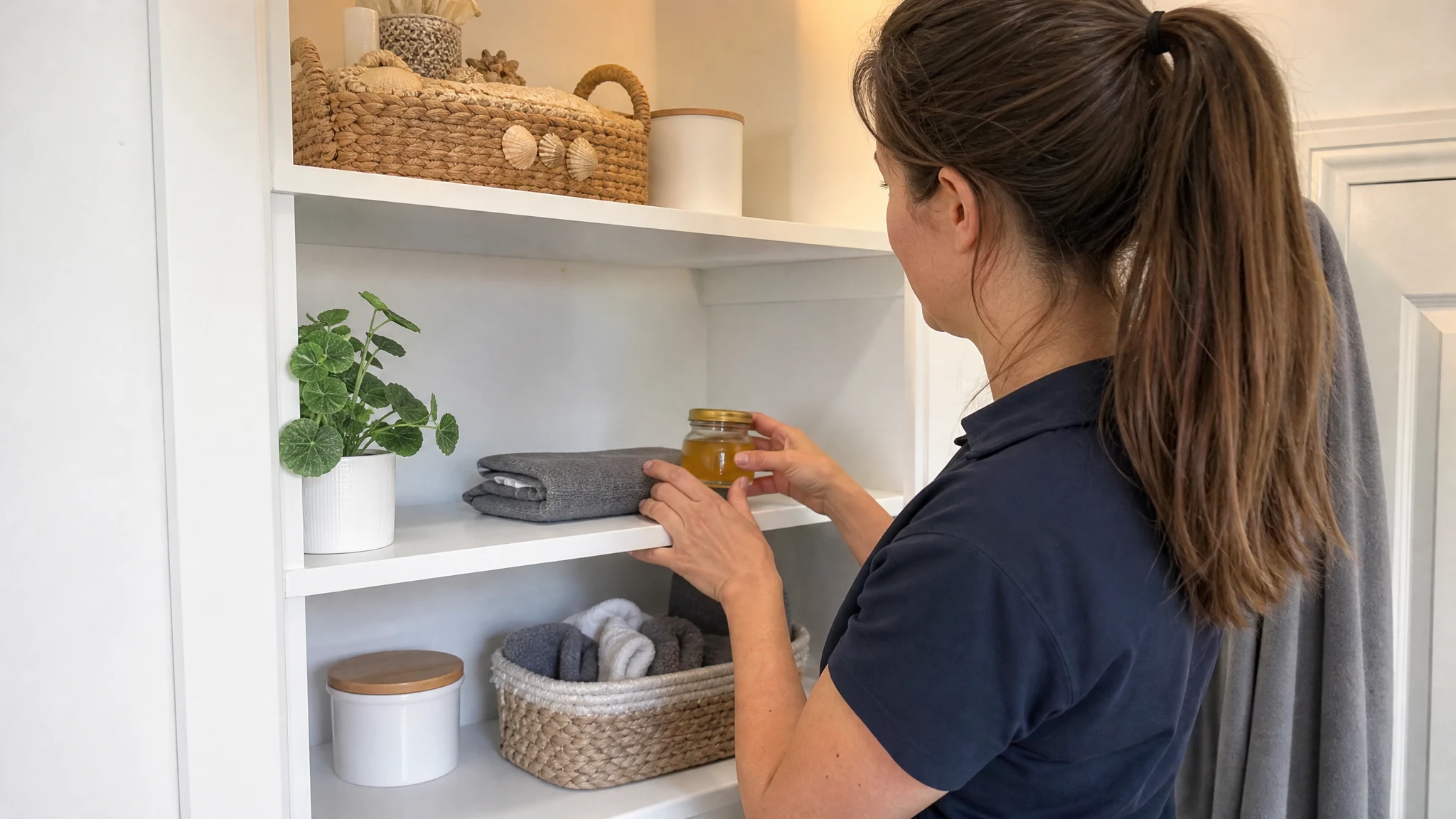
Calendula Oil for Men: A Simple Shave-Day Routine
Calendula oil suits the last step of a simple routine: damp skin after the shave. What dermatologists say about beards, razor bumps and patch testing.
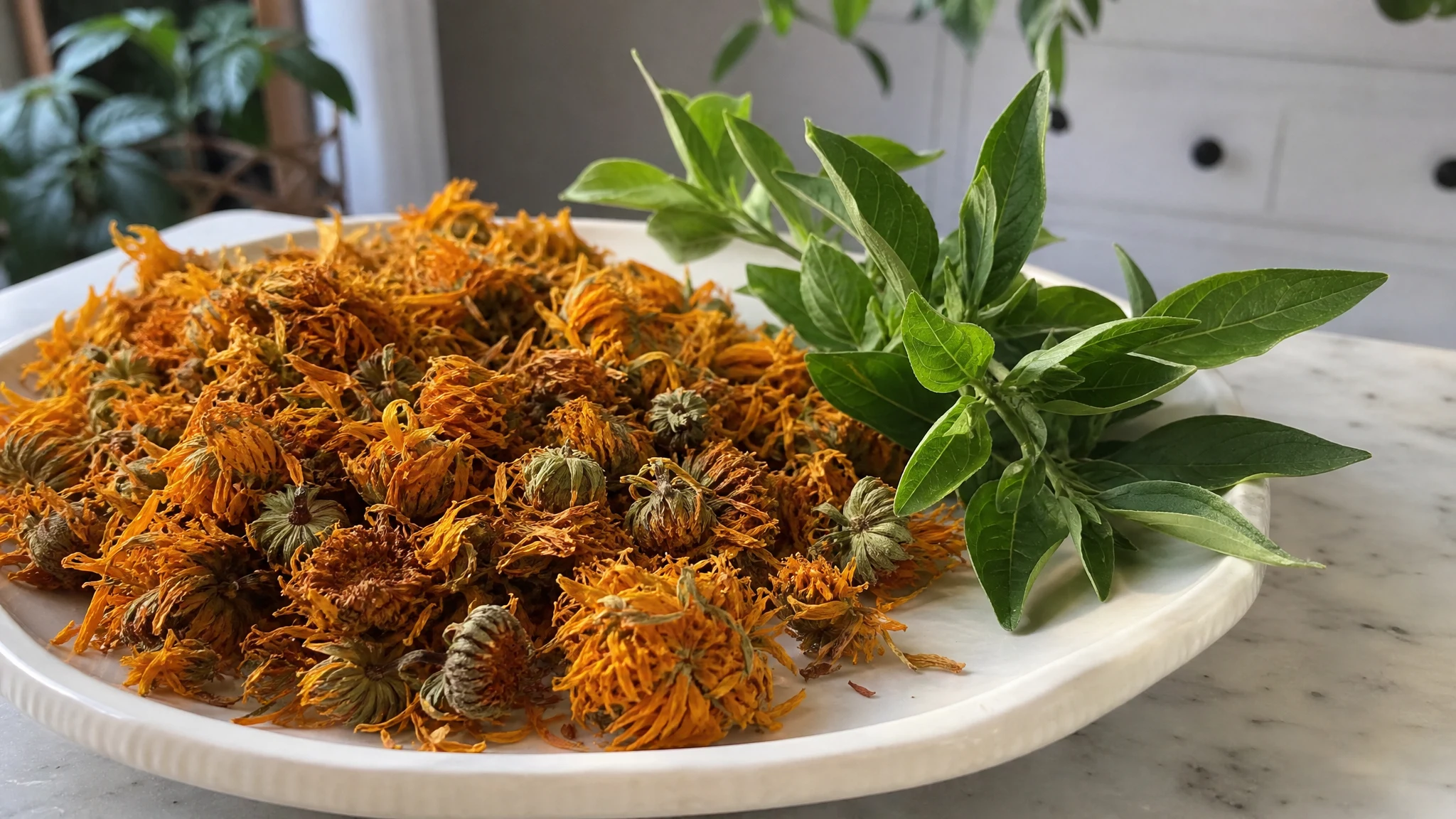
Calendula History: From Garland Flower to Herbal
Calendula's history is later and more colorful than most copy suggests: a calendar flower, a Greek myth, a late medieval herbal and a modern EU monograph.
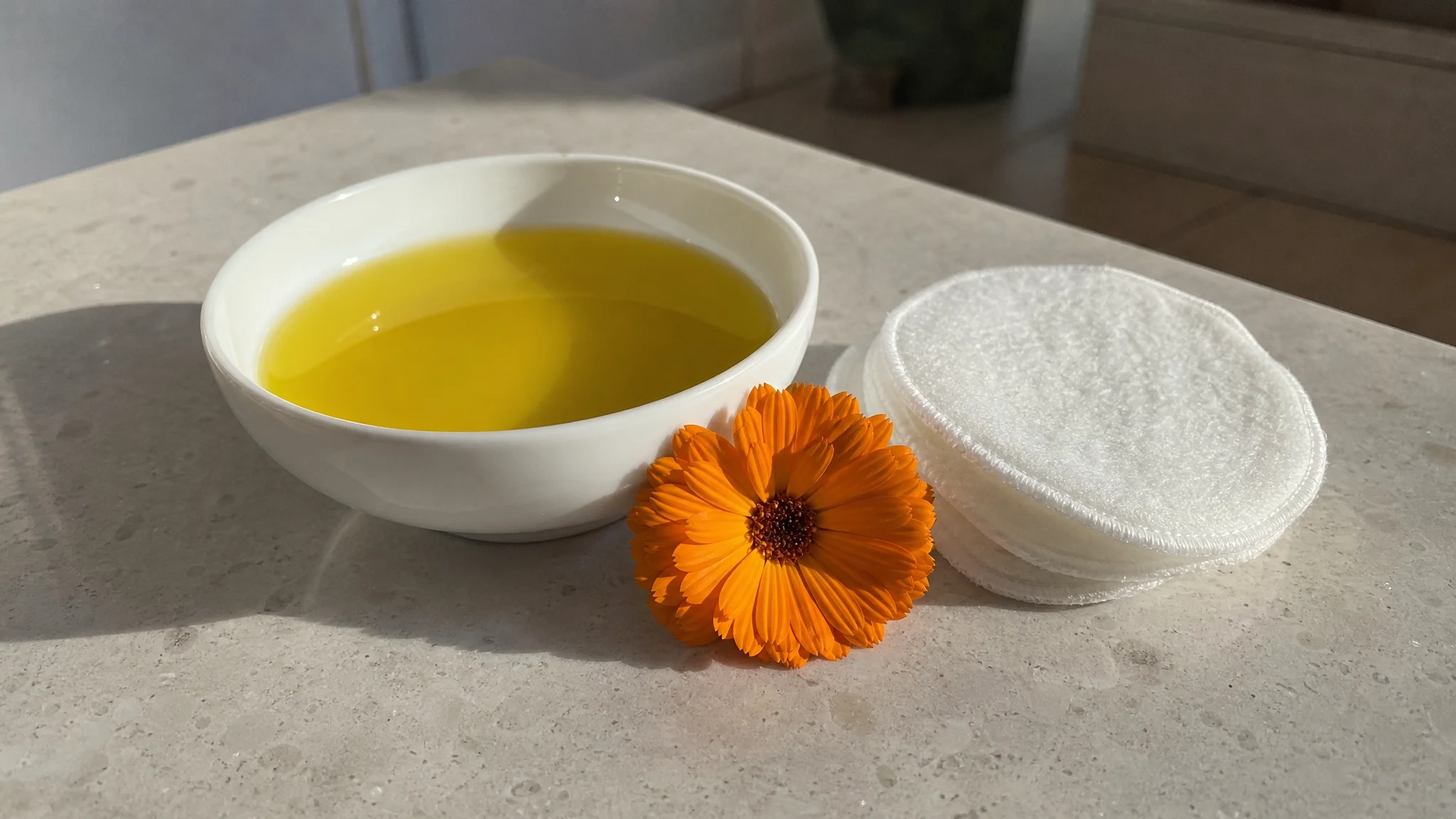
Does Calendula Oil Have a pH? What to Check Instead
An oil with no water has no pH, so a quoted number deserves a question. Here is how skin pH works and what actually decides whether an oil suits you.

Calendula Oil Couples Massage: How to Plan the Evening
A massage for two goes best when the details are sorted early: a skin test for both of you, oil and condoms, candles, towels and warming the oil.

Bridal Skincare Timeline With Calendula Oil, Week by Week
From twelve weeks out to the week itself, a calm countdown for wedding skincare: when to patch test, when to stop adding products, and who should skip.
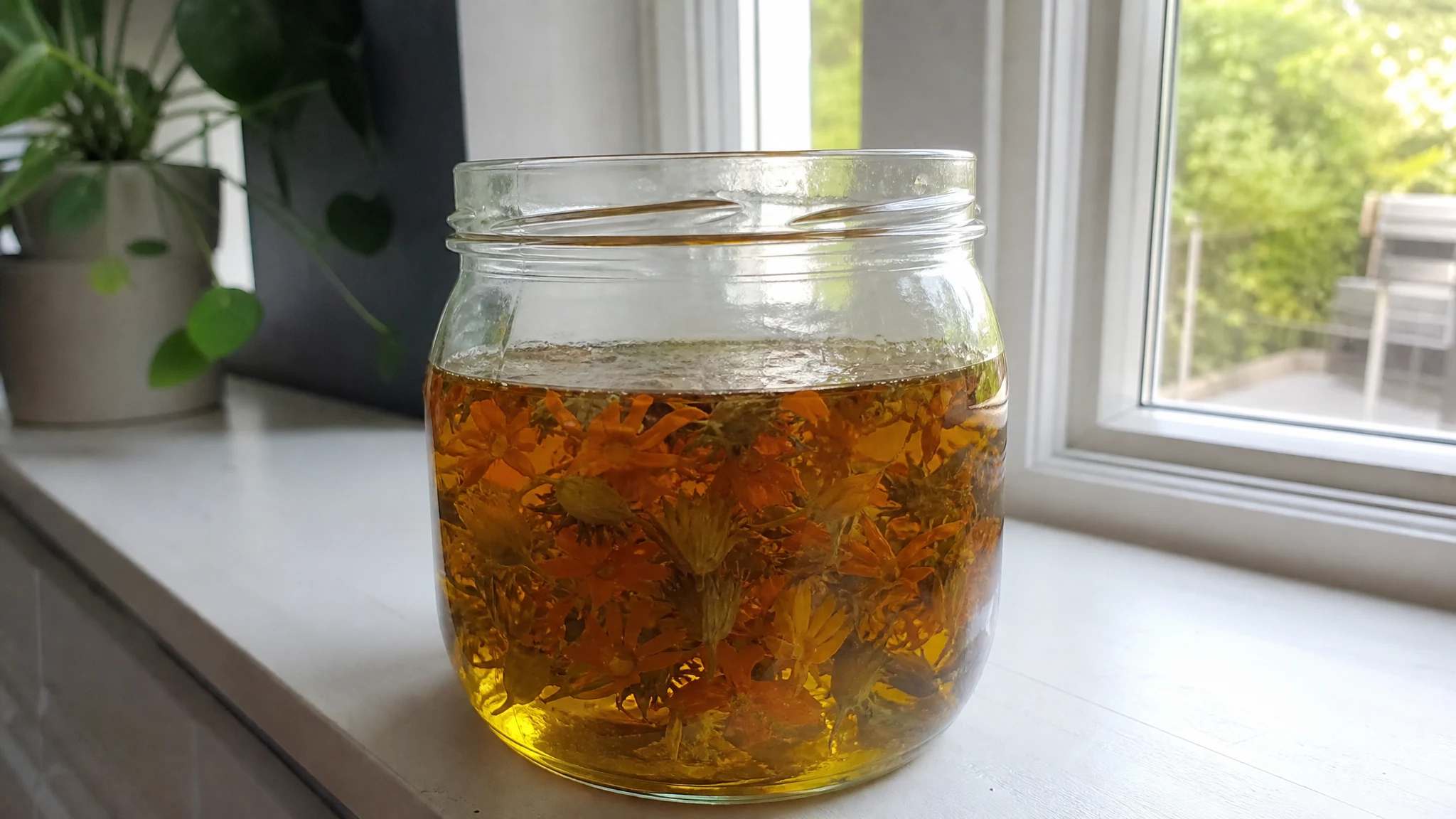
What Is Calendula Oil? Infused, Essential and Seed Oils
Calendula oil is flowers infused in a carrier, not an essential oil or a seed oil. Here is what that means for the bottle and who should check first.
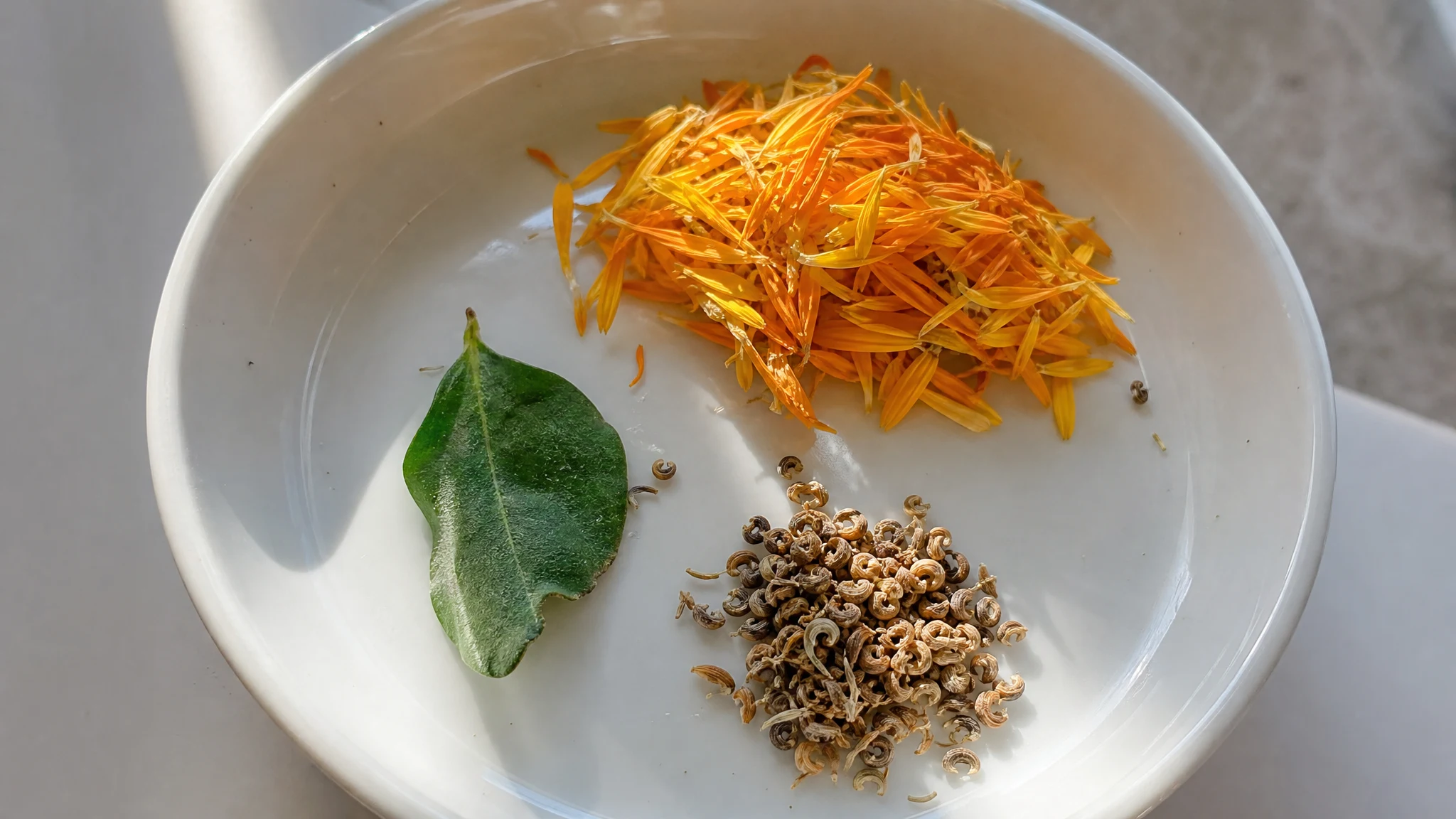
Calendula Oil Composition: What's Really in the Bottle
Long compound lists describe the calendula flower, not the bottle. An infused oil is mostly carrier. Here is what is measured and what is reasoned.
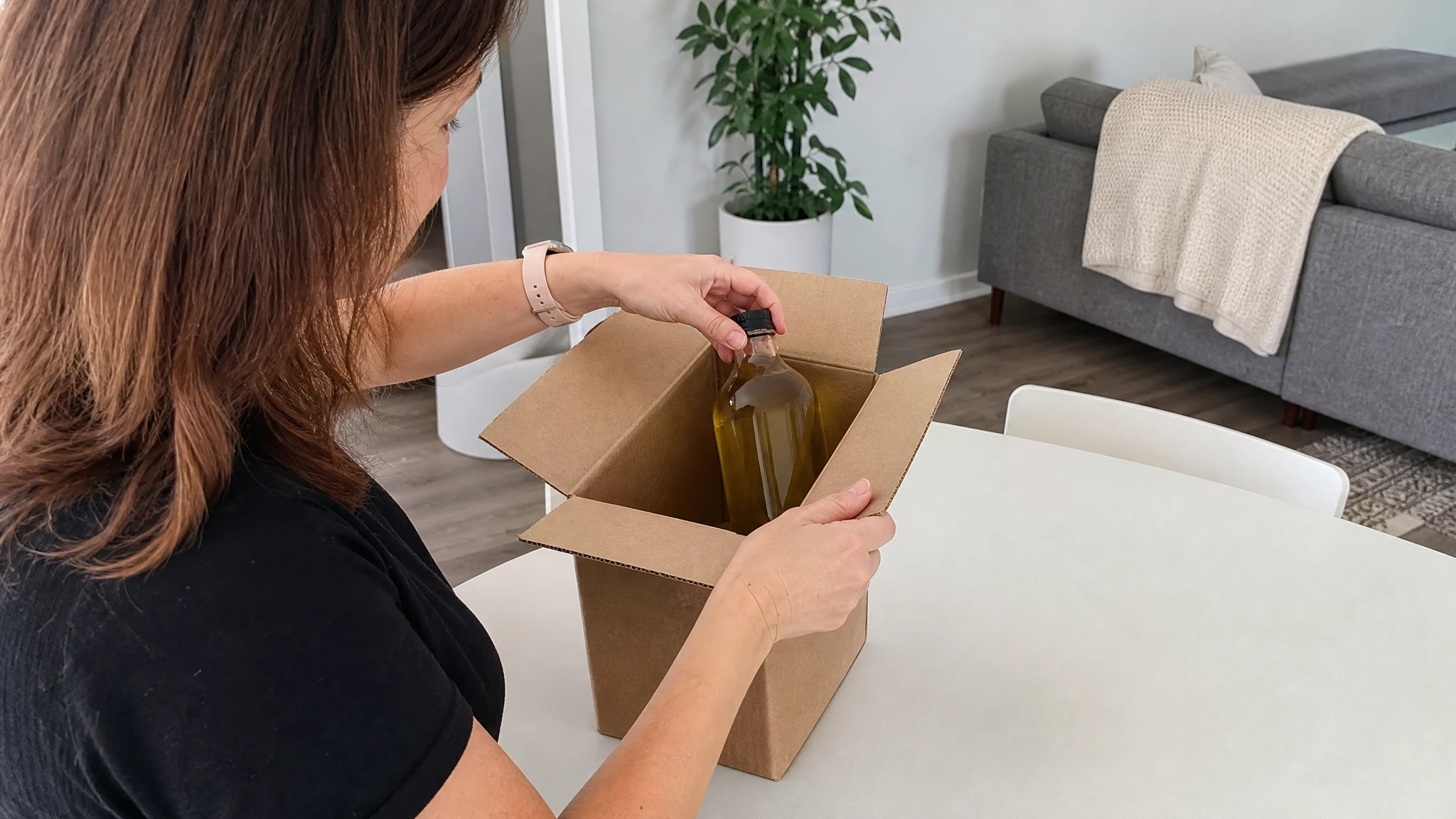
Buying Calendula Oil: 4 Questions to Ask Any Seller
Gold color and big adjectives tell you little. Four plain questions about the carrier, the lot and the flower show what is in a bottle of calendula oil.
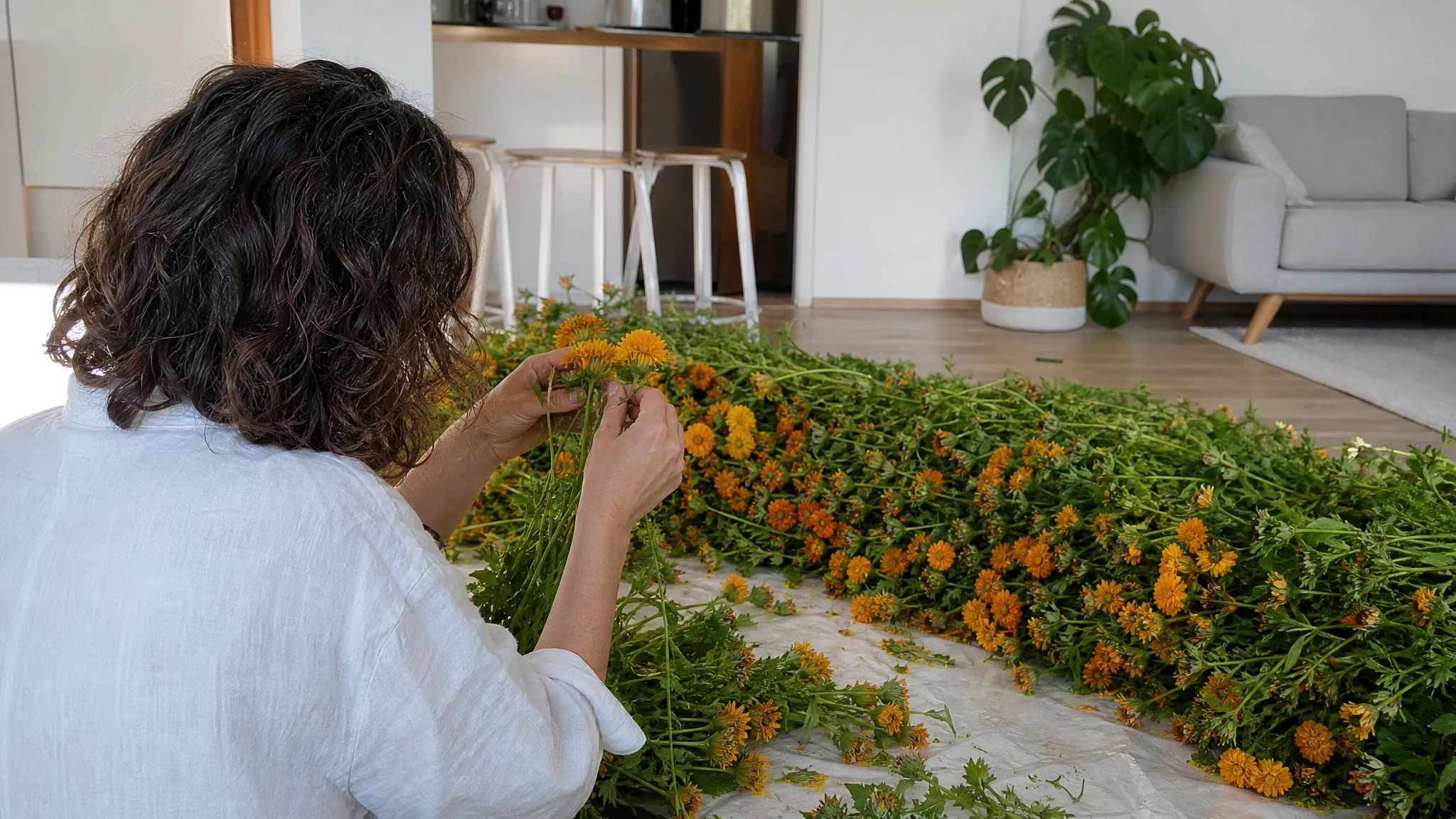
Organic Calendula Oil: What the Label Really Tells You
Organically grown tells you how the flowers were farmed, not the carrier, freshness or tests. Here is how to read the rest of a calendula oil label.
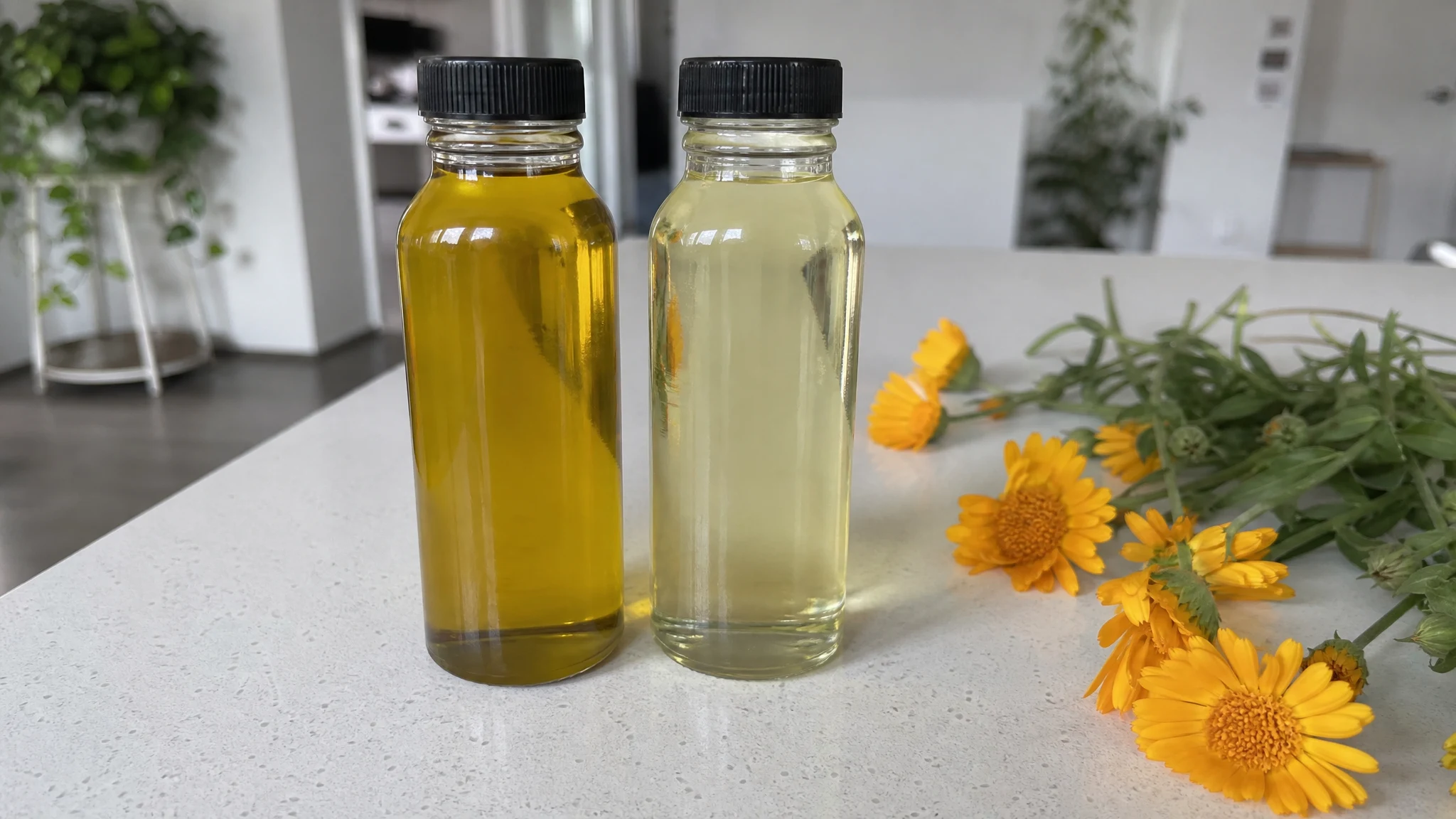
How to Judge Calendula Oil Quality: What to Ask
Color and a pretty label tell only part of the story. These are the questions that really separate one bottle of calendula oil from another.
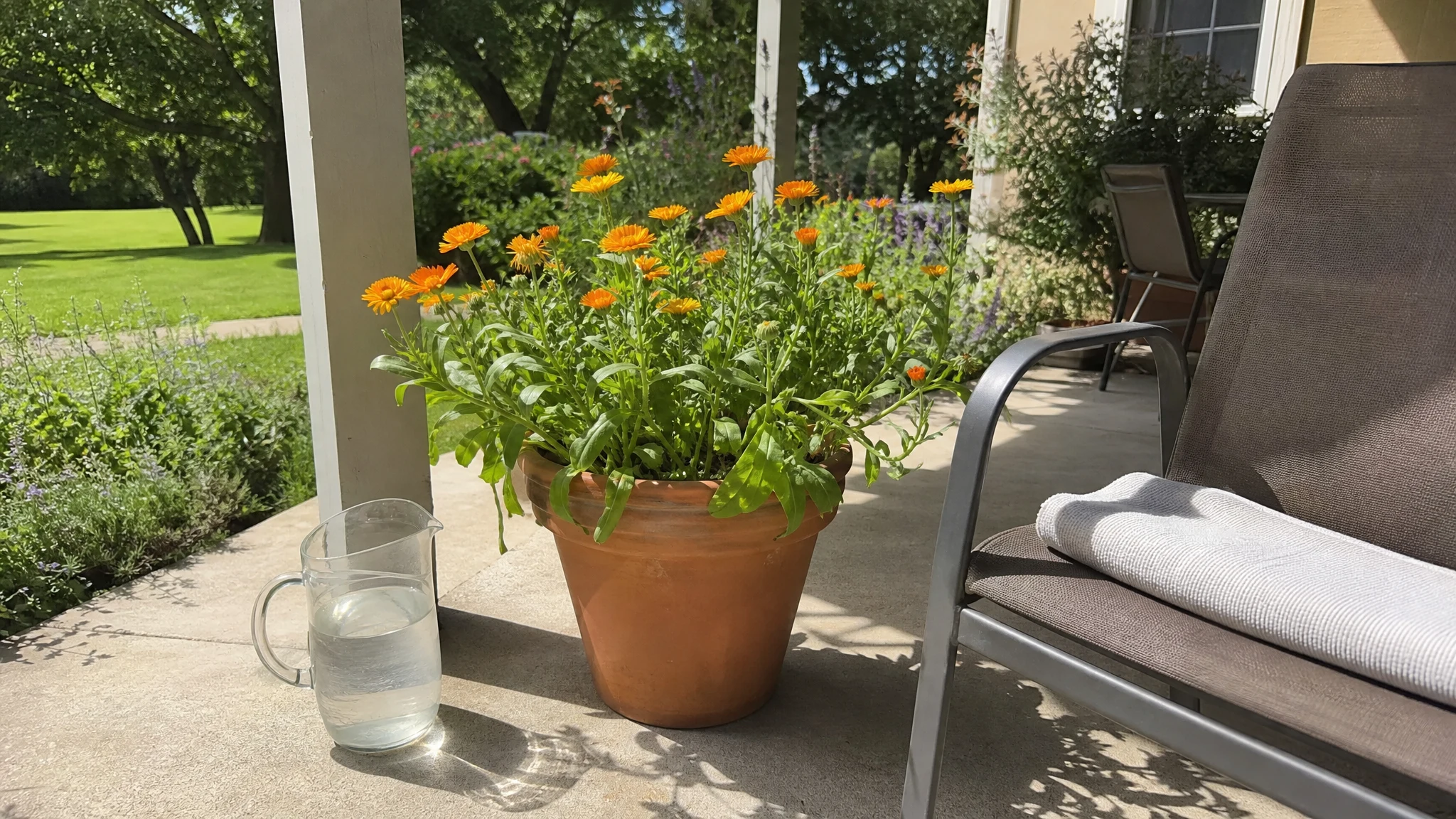
Calendula Oil in Summer: Storing It and Using It Well
Summer is hardest on the bottle, not the skin. Simple ways to keep calendula oil fresh in the heat, and where dermatologist advice takes over.
