
Calendula vs Witch Hazel for Acne and Irritation
Walk down the natural skincare aisle and you'll find these two botanicals sitting near each other more often than not. Calendula oil, pressed or infused from the golden petals of Calendula officinalis, and witch hazel, a distilled extract of the North American shrub Hamamelis virginiana, both have long histories in home skincare cabinets. But they work in fairly different ways, and choosing between them (or deciding whether to use both) depends on what your skin actually needs.
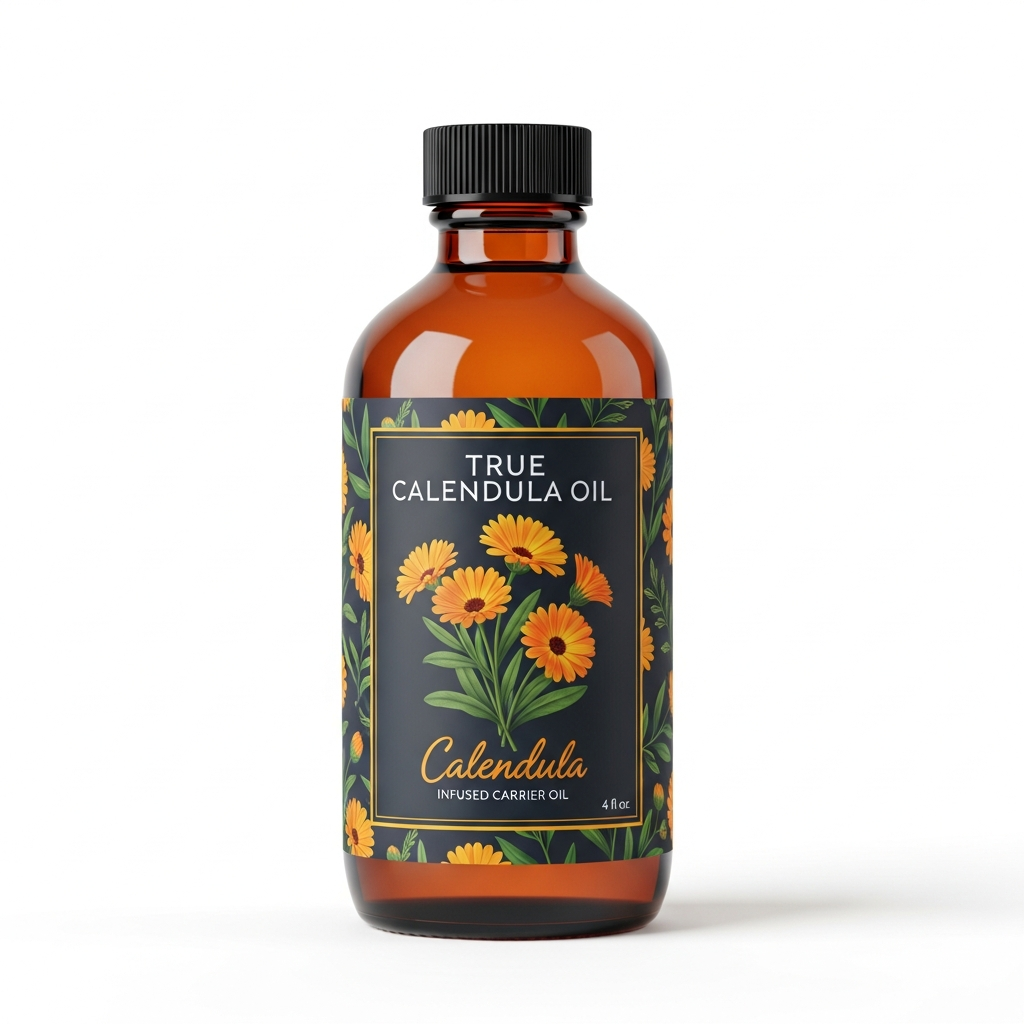 Calendula Oil
Our own small-batch calendula oil, in sizes from 0.5 oz to bulk. From $11.99.
Shop Calendula Oil →
Calendula Oil
Our own small-batch calendula oil, in sizes from 0.5 oz to bulk. From $11.99.
Shop Calendula Oil →
This comparison walks through what each ingredient is, how people traditionally use them, and where the calendula vs witch hazel question tends to land for different skin types.
What Each Ingredient Actually Is
Calendula oil is typically made by infusing dried calendula flowers in a carrier oil like sunflower or olive oil, or by using a lightweight extract blended into a base. It carries a golden hue and a mild, herbaceous scent. Traditionally used for soothing dry or sensitive skin, it has a long folk history in European households, often as part of a calming evening ritual rather than a quick fix.
Witch hazel, on the other hand, is a water-based distillate. Manufacturers steam-distill the bark and leaves of the witch hazel shrub, which produces a thin, astringent liquid. Some commercial versions add a small amount of alcohol, while alcohol-free versions are gentler for sensitive skin. It has been a staple in North American home apothecaries for generations, most often reached for after a long day outdoors or as a simple face wipe.
Texture and Application Feel
The most immediate difference between these two is how they feel on skin.
- Calendula oil is rich and oil-based. It sits on the skin, offers a slower absorption, and leaves a faint sheen unless used sparingly.
- Witch hazel is thin and water-based. It absorbs almost instantly, leaves no residue, and has a light, slightly tannic scent.
For people asking witch hazel or calendula as a first step, texture preference often decides the matter before anything else does. Those who dislike any oily feel tend to gravitate toward witch hazel. Those with drier skin, or skin that reacts poorly to astringents, often prefer the cushion that an oil provides.
Traditional Use Cases
Calendula's Traditional Role
Calendula has a long-standing reputation in folk skincare as a gentle, calming botanical. It's traditionally used for skin that feels tight, dry, or generally uncomfortable after sun exposure, wind, or seasonal weather shifts. Grandmothers across Europe kept a jar of calendula-infused oil or salve on hand for exactly this kind of everyday skin upkeep. Some people also use it as a calendula toner alternative, diluting a few drops into a splash of water or mixing it into a homemade toner base for a milder, oil-forward option compared to a typical astringent toner.
Witch Hazel's Traditional Role
Witch hazel earned its reputation as a quick, refreshing splash for skin that feels oily or congested by midday. Its astringent quality is what people associate with a tightening, refreshed sensation on the skin's surface. It's commonly kept in the medicine cabinet as an all-purpose splash, used after washing the face or as a midday refresh over a T-zone that feels shiny.
Calendula vs Witch Hazel: A Side-by-Side Look
| Attribute | Calendula Oil | Witch Hazel |
|---|---|---|
| Base | Oil-infused | Water-distilled |
| Texture | Rich, slow to absorb | Light, fast-absorbing |
| Traditional use | Dry, tight, or weather-stressed skin | Oily or congested-feeling skin |
| Scent | Mild, herbaceous | Light, slightly tannic |
| Common formats | Infused oil, salve, cream | Toner, splash, wipe |
| Alcohol content | None | Varies by brand (check label) |
Neither ingredient is inherently "better." They occupy different corners of a skincare routine, and plenty of people rotate between the two depending on the season or how their skin feels that week.
Can You Use Both Together?
Many people do combine the two rather than picking one over the other. A common approach is using witch hazel as a light toning step after cleansing, then following with a few drops of calendula oil to help the skin feel more comfortable afterward. Because witch hazel is water-based and calendula is oil-based, they layer cleanly without one canceling the other out.
Some DIY skincare fans blend the two directly, using a small amount of alcohol-free witch hazel as the water phase of a homemade toner and adding a few drops of calendula oil at the end. If you want to try this:
- Use alcohol-free witch hazel to reduce the chance of dryness or irritation.
- Keep the calendula oil ratio low. Start with 2 to 3 drops per ounce of witch hazel and shake well before each use, since oil and water separate.
- Always do a patch test on the inner forearm and wait 24 hours before applying any new blend to the face.
- Store the mixture in a cool, dark spot and discard after a few weeks, since homemade blends without preservatives don't keep indefinitely.
A Note on Sensitive Skin
Witch hazel's astringent nature means it can feel drying or sharp on skin that's already sensitive, especially versions that contain added alcohol. If your skin tends to feel tight or reactive, an alcohol-free version is worth seeking out, or you may find calendula oil sits more comfortably on its own. Because individual skin responds differently to any topical ingredient, it's worth introducing either one gradually and watching how your skin responds over a few days before making it a daily habit.
Making the Choice
If you're weighing calendula vs witch hazel for your own routine, start with how your skin generally behaves rather than chasing a single "right" answer. Skin that leans dry, tight, or easily irritated by weather often responds well to the cushioning quality of calendula oil. Skin that feels oily, congested, or in need of a quick refresh tends to pair more naturally with a light witch hazel splash.
Many people eventually land on using both, each in its own place in the routine, rather than treating the decision as either-or. As with any new addition to your skincare routine, patch test first, introduce one product at a time, and check in with a dermatologist or other qualified healthcare provider if you have ongoing skin concerns or are unsure what's right for your skin type.