Calendula vs Chamomile: Which Soothing Herb Is Better for Your Skin?
When exploring the world of gentle, plant-based skincare, two golden flowers consistently rise to the top of botanists' recommendations: calendula and chamomile. Both herbs have been treasured for centuries in traditional wellness practices, and both offer their own unique profiles of naturally occurring compounds. But when it comes to the calendula vs chamomile debate for skincare applications, which botanical ally might be the better choice for your particular needs?
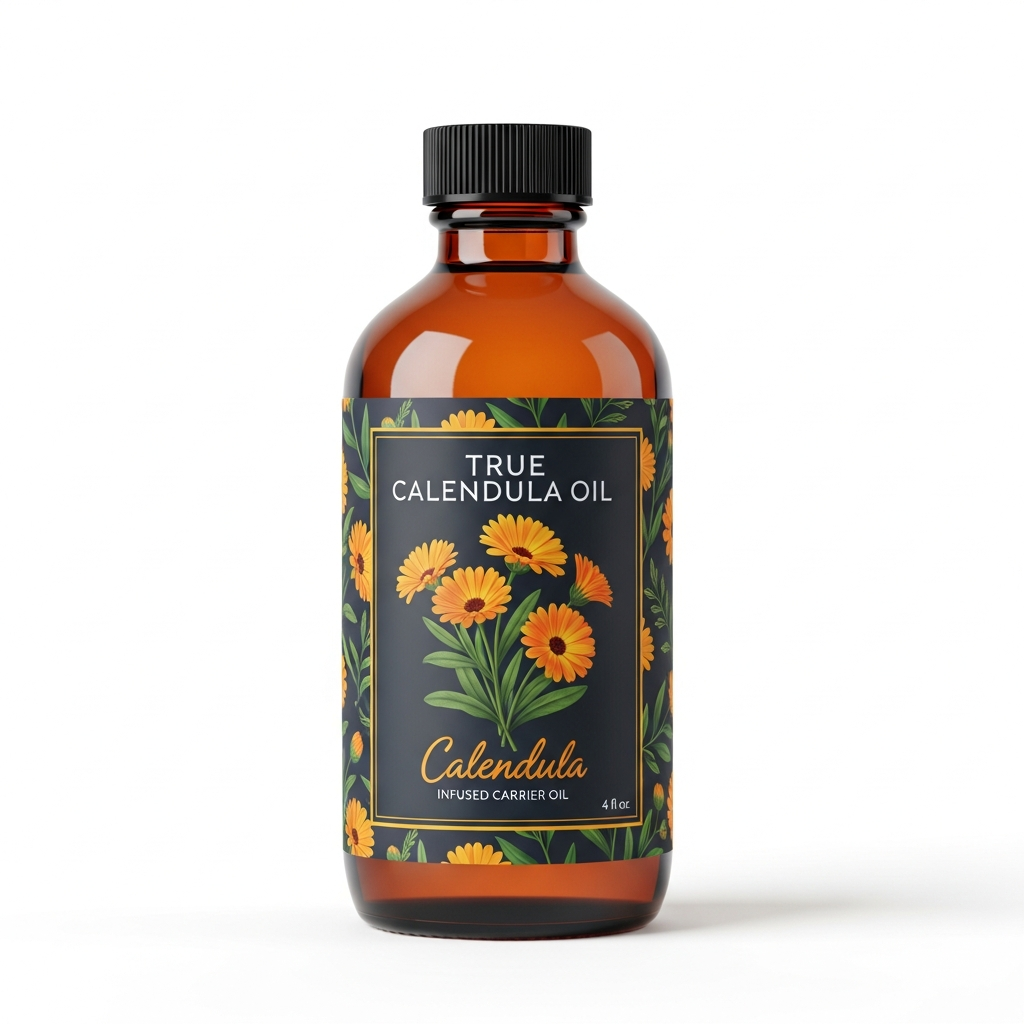 Calendula Oil
Our own small-batch calendula oil, in sizes from 0.5 oz to bulk. From $11.99.
Shop Calendula Oil →
Calendula Oil
Our own small-batch calendula oil, in sizes from 0.5 oz to bulk. From $11.99.
Shop Calendula Oil →
This comprehensive comparison will help you understand the distinctive characteristics of each herb, their traditional uses, and what modern research observations suggest about their properties. Whether you're considering calendula or chamomile for your skincare routine, understanding these differences can guide you toward making an informed choice that aligns with your preferences and skin type.
Understanding Calendula: The Golden Garden Healer
Calendula officinalis, commonly known as pot marigold, has earned its reputation as "nature's golden healer" through centuries of traditional use across diverse cultures. This vibrant orange-yellow flower produces petals rich in naturally occurring compounds, including flavonoids, carotenoids, and triterpenes, which contribute to its distinctive botanical profile.
When properly extracted into oil form, calendula creates a deeply golden-colored preparation that has been traditionally used for various skincare applications. Historical records show that ancient Egyptians, Romans, and medieval herbalists valued calendula for its gentle nature and versatility in topical preparations.
Key Characteristics of Calendula
- Botanical Profile: Rich in carotenoids (beta-carotene, lycopene) and flavonoids
- Traditional Applications: Historically used for skin comfort and general topical wellness
- Texture and Absorption: Calendula oil typically offers good skin absorption without heavy residue
- Scent Profile: Mild, herbaceous aroma with subtle earthy notes
- Color: Distinctive golden-orange hue when properly extracted
Exploring Chamomile: The Gentle Comfort Flower
Chamomile comes in two primary varieties for skincare applications: German chamomile (Matricaria chamomilla) and Roman chamomile (Chamaemelum nobile). Both varieties contain naturally occurring compounds that have made them beloved in traditional wellness practices worldwide, though German chamomile is more commonly used in commercial preparations due to its higher concentration of certain compounds like chamazulene.
The delicate, daisy-like flowers of chamomile have been traditionally associated with gentle comfort and relaxation. Ancient texts from various cultures reference chamomile's use in traditional preparations, particularly for those seeking gentle, mild skincare options.
Key Characteristics of Chamomile
- Botanical Profile: Contains chamazulene, bisabolol, and various flavonoids
- Traditional Applications: Long history of use for sensitive skin and comfort applications
- Texture and Absorption: Generally lightweight with smooth application
- Scent Profile: Sweet, apple-like fragrance that many find calming
- Color: Ranges from pale yellow to deep blue (German chamomile) depending on extraction method
Calendula vs Chamomile: Direct Comparison
When examining calendula or chamomile for skincare purposes, several factors can help guide your decision. Both herbs offer their own unique advantages, and the choice often comes down to personal preferences, skin type, and specific skincare goals.
Botanical Composition Differences
| Aspect | Calendula | Chamomile |
|---|---|---|
| Primary Compounds | Carotenoids, flavonoids, triterpenes | Chamazulene, bisabolol, apigenin |
| Color Compounds | Beta-carotene, lycopene | Chamazulene (blue), other flavonoids |
| Traditional Strength | Considered more robust | Known for gentleness |
| Oil Extraction | Typically infused in carrier oils | Steam distilled or infused |
Skin Type Considerations
For Normal to Resilient Skin: Both calendula and chamomile may be suitable options. Some people report that calendula provides a more substantial feeling of nourishment, while others prefer chamomile's lighter touch.
For Sensitive Skin: Chamomile has traditionally been favored for those with particularly sensitive skin, as it's often considered one of the gentlest botanical options available. However, individual responses can vary, and some people find calendula equally gentle.
For Mature Skin: Calendula's rich carotenoid content may appeal to those interested in antioxidant support, while chamomile's traditional reputation for comfort makes it another popular choice for mature skin care routines.
Traditional Uses and Applications
Calendula's Traditional Applications
Throughout history, calendula has been traditionally used in various preparations:
- Infused oils for general skin comfort
- Traditional balms and salves
- Historical use in folk remedies across multiple cultures
- Traditional applications for minor skin concerns
- General skincare maintenance in traditional practices
Chamomile's Traditional Applications
Chamomile's traditional uses have included:
- Gentle preparations for sensitive areas
- Traditional comfort applications
- Historical use in relaxation-focused preparations
- Traditional baby and child skincare (though always consult healthcare providers for pediatric use)
- General wellness applications in traditional herbalism
Research Observations and Modern Understanding

While traditional use provides valuable insights, modern research has begun to examine the compounds found in both calendula and chamomile. It's important to note that these are research observations and not medical claims.
Calendula Research Insights
Some research suggests that calendula's naturally occurring compounds may have interesting properties. Studies have observed the presence of various flavonoids and carotenoids, though researchers emphasize that more investigation is needed to fully understand these botanical compounds. Laboratory observations have noted calendula's complex chemical profile, but translating these findings to real-world applications requires careful consideration.
Chamomile Research Observations
Research into chamomile has focused particularly on its compound chamazulene and bisabolol. Some laboratory studies have examined these compounds' properties, though researchers consistently note that controlled human studies are limited. Anecdotal reports from traditional use continue to inform modern interest in chamomile applications.
"Both calendula and chamomile represent fascinating examples of how traditional botanical knowledge can inform modern skincare approaches. While we continue to study their individual compounds, their long history of traditional use provides valuable context for contemporary applications." - Traditional Herbalism Research Review
Practical Considerations: Choosing Between Calendula and Chamomile
Sensory Preferences
The chamomile vs calendula for skin decision often comes down to personal sensory preferences:
Scent: Chamomile offers a sweet, apple-like fragrance that many find inherently calming, while calendula provides a more herbaceous, earthy aroma that some describe as "green" and botanical.
Texture: Both can be formulated into various textures, but calendula oil often feels slightly richer, while chamomile preparations tend toward lighter, more delicate textures.
Visual Appeal: Calendula's golden color can be quite striking in formulations, while chamomile ranges from pale yellow to deep blue, depending on processing methods.
Availability and Quality Considerations
When sourcing either botanical, quality factors include:
- Organic vs. conventional growing methods
- Extraction processes and carrier oil quality
- Storage and freshness factors
- Source transparency and third-party testing
- Concentration levels and standardization
Cost and Accessibility
Generally, both calendula and chamomile are widely available in various forms, from simple infused oils to more complex formulations. Calendula tends to be slightly more affordable in most markets, while high-quality German chamomile oil can command premium prices due to processing requirements.
Safety Considerations and Precautions

While both calendula and chamomile are generally considered gentle botanicals, certain precautions apply:
Potential Sensitivities
- Calendula: Those with ragweed or daisy family allergies should exercise caution
- Chamomile: Also in the daisy family, similar precautions apply
- Patch Testing: Always perform patch tests before widespread use
- Quality Sourcing: Choose reputable suppliers with proper testing protocols
Important Safety Reminders
- Neither botanical should replace professional medical care
- Consult healthcare providers before use during pregnancy or nursing
- Discontinue use if irritation occurs
- Store properly to maintain quality and safety
- Follow dilution guidelines for topical applications
Making Your Choice: Practical Decision Framework
When deciding between calendula or chamomile, consider these guiding questions:
- Skin Sensitivity: Do you typically prefer ultra-gentle options, or can your skin handle more robust botanical preparations?
- Scent Preferences: Are you drawn to sweet, floral aromas (chamomile) or herbaceous, earthy notes (calendula)?
- Traditional Alignment: Which botanical's traditional use profile better matches your skincare goals?
- Product Availability: Which options are more readily available in your preferred product formats?
- Budget Considerations: How do cost factors influence your long-term skincare routine?
Why Not Both?
Many skincare enthusiasts find that calendula and chamomile complement each other beautifully. Some people use chamomile for daily gentle care and calendula for times when they want something more substantial. Others alternate between the two based on seasonal changes or varying skin needs.
Final Thoughts: Embracing Botanical Wisdom
The calendula vs chamomile debate ultimately reveals the beautiful diversity of botanical skincare options available to us. Both herbs bring centuries of traditional wisdom, distinctive compound profiles, and gentle approaches to modern skincare routines.
Calendula offers its golden richness and robust traditional profile, potentially appealing to those who appreciate substantial, nourishing botanical preparations. Chamomile provides its reputation for exceptional gentleness and sweet comfort, traditionally favored by those seeking the most delicate botanical touches.
Rather than viewing this as a competition between two botanicals, consider it an opportunity to explore the remarkable world of plant-based skincare. Whether you choose calendula, chamomile, or decide to incorporate both into your routine at different times, you're connecting with traditions that span cultures and centuries.
Remember that skincare is highly individual, and what works beautifully for one person may not suit another. Pay attention to your skin's responses, trust your sensory preferences, and don't hesitate to consult with qualified healthcare providers or experienced herbalists when making decisions about your skincare routine.
Both calendula and chamomile represent the gentle power of botanical wisdom—choose the path that feels most aligned with your skin's needs and your personal wellness philosophy.