Calendula vs Chamomile Tea: Benefits, Taste, and When to Choose Each
In the world of herbal teas, few flowers have captured the imagination quite like calendula and chamomile. These golden-hued blossoms have graced tea cups for centuries, each offering its own unique character and traditional applications. While both are beloved for their gentle nature and beautiful appearance, the calendula tea vs chamomile tea debate often leaves tea enthusiasts wondering which bloom deserves a place in their daily routine.
Understanding the subtle differences between these floral teas can help you make an informed choice based on your taste preferences and wellness goals. Whether you're drawn to the honey-like sweetness of chamomile or the more complex, slightly peppery notes of calendula, each flower brings its own story to your teacup.
Understanding Calendula Tea: The Golden Garden Gem
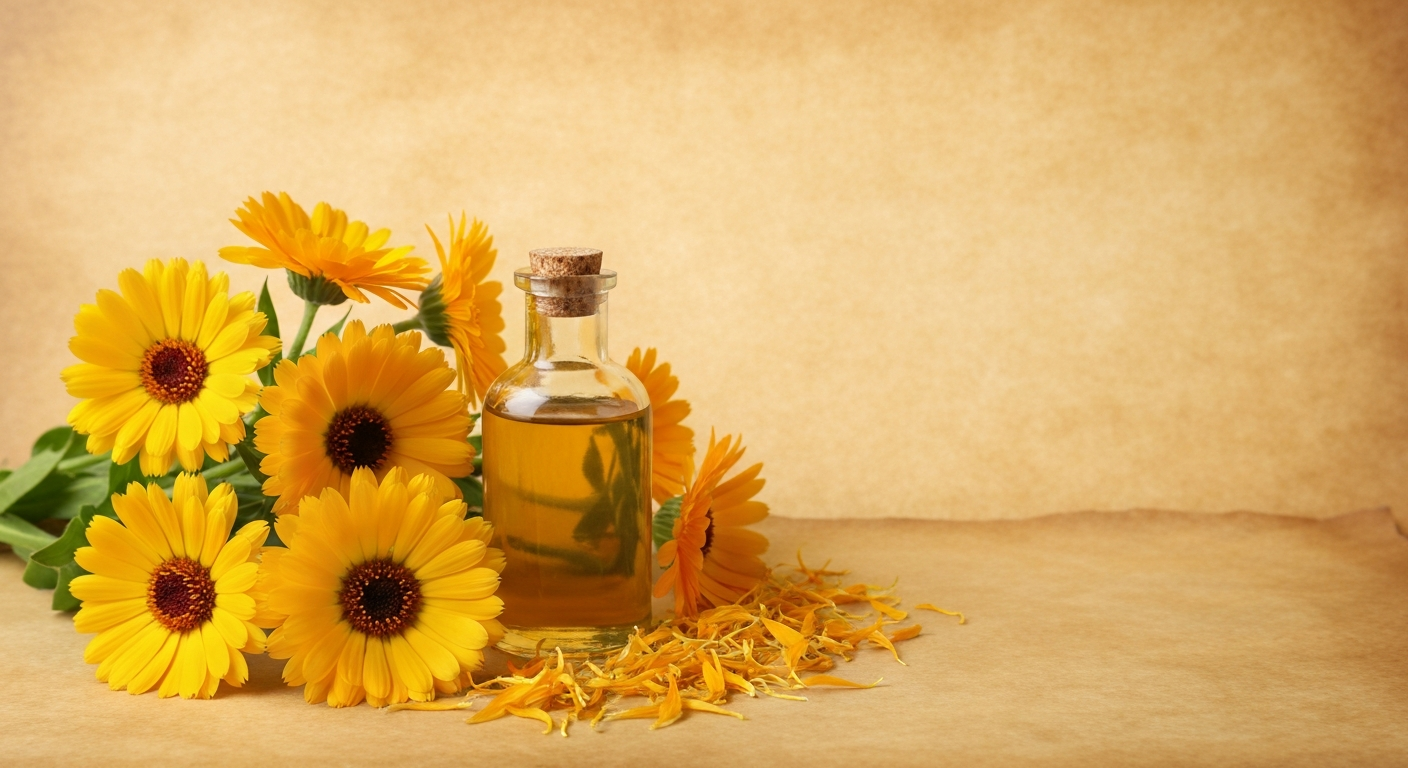
Calendula officinalis, often called pot marigold, produces vibrant orange and yellow petals that have been cherished in traditional herbalism for generations. When steeped as a tea, calendula flowers create a beautiful golden-amber infusion with a surprisingly complex flavor profile that sets it apart from other floral teas.
The taste of calendula tea can be described as mildly bitter with subtle peppery undertones and a hint of saffron-like richness. Some people report detecting notes of earth and a slight saltiness that makes it more savory than many other flower teas. This unique flavor profile makes calendula tea an acquired taste for some, while others find it immediately appealing.
Traditionally, calendula has been used in folk medicine practices across Europe and the Mediterranean. Historical texts suggest it was valued for its potential to support skin health when used topically, though these traditional uses should not be interpreted as medical claims. The flowers contain various compounds including flavonoids, carotenoids, and saponins that contribute to their distinctive characteristics.
Brewing the Perfect Cup of Calendula Tea
To prepare calendula tea, use approximately 1-2 teaspoons of dried petals per cup of boiling water. Steep for 10-15 minutes to extract the full range of flavors and beneficial compounds. The longer steeping time helps balance the initial bitterness with more complex, rounded notes. Fresh petals can also be used, though you'll need about twice the amount.
Exploring Chamomile Tea: The Classic Comfort
Matricaria chamomilla, or German chamomile, represents one of the most popular and widely recognized herbal teas in the world. Its small, daisy-like flowers create an infusion that's become synonymous with relaxation and bedtime routines across many cultures.
Chamomile tea offers a distinctly sweet, honey-like flavor with subtle apple notes and a smooth, almost creamy finish. The taste is generally mild and pleasant, making it an excellent introduction to herbal teas for those accustomed to traditional black or green varieties. Unlike calendula, chamomile has virtually no bitterness and requires little to no sweetening for most palates.
The flowers contain apigenin, a flavonoid that has been the subject of various research studies, though it's important to note that drinking chamomile tea should be viewed as a pleasant beverage experience rather than a medical intervention. Traditional European folk practices have long incorporated chamomile into evening routines, though these historical uses don't constitute medical recommendations.
The Art of Chamomile Tea Preparation
Chamomile tea is forgiving to brew and requires only 1 teaspoon of dried flowers per cup of hot water. Steep for 5-7 minutes to achieve the optimal balance of flavor without extracting any potential bitterness. The shorter steeping time compared to calendula helps preserve the delicate, sweet characteristics that make chamomile so beloved.
Head-to-Head: Calendula vs Chamomile Tea Comparison
| Aspect | Calendula Tea | Chamomile Tea |
|---|---|---|
| Flavor Profile | Complex, slightly bitter, peppery, earthy | Sweet, honey-like, apple notes, mild |
| Appearance | Deep golden-amber | Light golden-yellow |
| Steeping Time | 10-15 minutes | 5-7 minutes |
| Traditional Uses | Topical skin applications in folk medicine | Evening relaxation routines |
| Caffeine Content | Naturally caffeine-free | Naturally caffeine-free |
| Best Time to Drink | Morning or afternoon | Evening or bedtime |
Calendula Chamomile Tea: The Best of Both Worlds
For those who appreciate both flowers, creating a calendula chamomile tea blend offers a unique opportunity to experience complementary flavors and characteristics. The sweetness of chamomile can help balance calendula's more assertive notes, while calendula adds complexity and depth to chamomile's sometimes simple flavor profile.
When blending these teas, start with a 1:2 ratio of calendula to chamomile, adjusting based on your taste preferences. This combination creates a well-rounded cup that's neither too sweet nor too bitter, with a beautiful deep golden color that's visually stunning.
Some people report that this herbal tea comparison reveals how well the two flowers complement each other, creating a more interesting and nuanced drinking experience than either flower alone. The blend may also appeal to those who find pure calendula too strong or pure chamomile too mild.
Taste Preferences: Which Tea Suits Your Palate?
Choose Calendula Tea If You:
- Enjoy complex, sophisticated flavors in your beverages
- Prefer teas with more body and character
- Don't mind or actually enjoy slight bitterness
- Want something unique and less common
- Prefer morning or midday tea consumption
- Appreciate earthy, savory notes in herbal teas
Choose Chamomile Tea If You:
- Prefer mild, sweet flavors
- Want a gentle introduction to herbal teas
- Enjoy evening or bedtime beverages
- Appreciate traditional, time-tested choices
- Prefer teas that rarely need sweetening
- Want something widely available and affordable
Traditional Uses and Cultural Significance
Both calendula and chamomile have rich histories in traditional herbalism, though their applications have differed across cultures and time periods. Calendula has been particularly valued in Mediterranean and European folk traditions, where it was often incorporated into topical preparations. However, it's important to emphasize that traditional use doesn't equate to proven medical efficacy.
Chamomile, on the other hand, has been widely embraced across many cultures as a gentle, soothing beverage. Ancient Egyptians, Greeks, and Romans all had their own relationships with chamomile, though these historical applications should be viewed as cultural practices rather than medical recommendations.
In modern times, both teas are enjoyed primarily for their pleasant taste and the ritual of tea drinking itself. Some research has explored various compounds in both flowers, but it's crucial to remember that enjoying these teas should be viewed as a pleasant lifestyle choice rather than a therapeutic intervention.
Practical Considerations: Availability and Cost
When conducting this herbal tea comparison, practical factors often influence choice as much as taste preferences. Chamomile tea is widely available in most grocery stores, health food shops, and online retailers, making it an accessible option for most tea drinkers. Its popularity has also helped keep costs relatively low.
Calendula tea, while increasingly available, may require a visit to a specialty tea shop or health food store. It's often more expensive than chamomile due to lower demand and more limited cultivation for tea purposes. However, many herbalists and specialty retailers now carry high-quality calendula petals specifically for tea brewing.
Safety Considerations and Precautions
Both calendula and chamomile are generally recognized as safe for most people when consumed as beverages in normal amounts. However, certain individuals should exercise caution:
- People with allergies to plants in the Asteraceae family (including ragweed, chrysanthemums, and daisies) may experience reactions to both calendula and chamomile
- Pregnant or nursing women should consult healthcare providers before regularly consuming any herbal teas
- Those taking medications should discuss potential interactions with qualified healthcare professionals
- Always source your flowers from reputable suppliers to ensure quality and purity
It's worth noting that while both teas have long histories of traditional use, they should never be considered substitutes for professional medical advice or treatment. Anyone with health concerns should always consult with qualified healthcare providers.
Making Your Choice: Personal Preference Matters Most
Ultimately, the calendula tea vs chamomile tea debate comes down to personal preference and individual taste. Some tea enthusiasts develop a strong preference for one over the other, while others enjoy both for different occasions and moods.
Consider starting with small quantities of each to determine your preferences before investing in larger amounts. Many people find that their taste preferences evolve over time, and a tea they initially found too strong or too mild may become a favorite as their palate develops.
The beauty of herbal teas lies in their diversity and the personal journey of discovery they offer. Whether you choose the complex character of calendula, the gentle comfort of chamomile, or a blend of both, you're participating in a tradition that spans cultures and centuries.
Remember that the best tea is simply the one you enjoy drinking. Both calendula and chamomile offer unique experiences that can enrich your daily routine, provide moments of mindfulness, and connect you to the natural world through the simple act of steeping flowers in hot water.