
Calendula for Hemorrhoids: Does It Actually Help?
Calendula has earned a quiet reputation over centuries of herbal practice as one of the gentlest botanicals available for skin comfort. Its golden petals show up in salves, balms, and infused oils meant for chapped, sensitive, or irritated skin, so it makes sense that people eventually ask whether calendula for hemorrhoids belongs in that same tradition. This piece looks at what calendula is, why people reach for calendula hemorrhoid cream or a calendula suppository, and what current research does and doesn't tell us. None of this is medical advice. If you're dealing with ongoing discomfort in this area, a qualified healthcare provider is the right person to guide your next step.
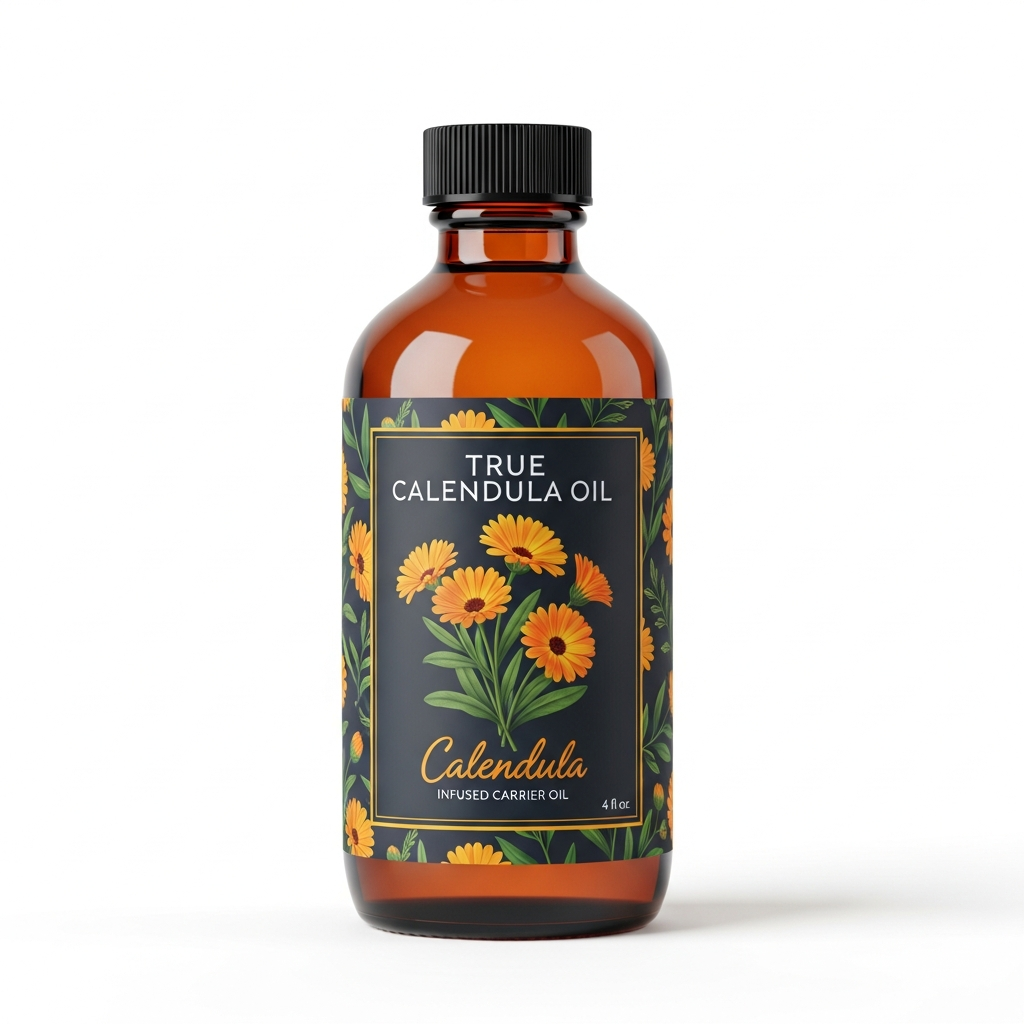 Calendula Oil
Our own small-batch calendula oil, in sizes from 0.5 oz to bulk. From $11.99.
Shop Calendula Oil →
Calendula Oil
Our own small-batch calendula oil, in sizes from 0.5 oz to bulk. From $11.99.
Shop Calendula Oil →
What Calendula Is, and Why It Shows Up Here
Calendula officinalis, sometimes called pot marigold, has been pressed and infused into oil for generations across European and Mediterranean herbal traditions. Herbalists have long valued it for its gentle, soothing reputation on sensitive skin, and it appears frequently in salves made for new mothers, in diaper-area balms, and in general skin-comfort blends. Some research suggests that compounds in calendula, including flavonoids and triterpenoids, may support the skin's sense of comfort and help calm the look of minor irritation, though most of this research looks at skin broadly rather than any single, specific use. That gentle reputation is the main reason calendula keeps coming up in conversations about sensitive, delicate areas of the body.
The Basics: Why Hemorrhoids Happen
Hemorrhoids are swollen veins in the lower rectum and anus. They're extremely common and tend to show up with straining, pregnancy, long stretches of sitting, low fiber intake, or simply getting older. Because the area is sensitive and prone to irritation, people naturally look for gentle, plant-based options before anything more involved. It's worth knowing that a few other conditions in that same area can feel similar, which is exactly why a proper look from a healthcare provider matters before you settle into any long-term at-home routine, botanical or otherwise.
Calendula Hemorrhoid Cream: What People Use It For
A calendula hemorrhoid cream typically combines calendula extract with a soothing base like aloe, shea butter, or cocoa butter, sometimes alongside witch hazel. People usually apply a small amount to the external area after gently cleaning and patting the skin dry. Anecdotal evidence suggests some people enjoy the light, cooling sensation, especially if the cream has been kept in the refrigerator, and many appreciate that calendula-based formulas tend to skip the harsher synthetic fragrances found in some conventional creams.
It's worth being upfront here: there isn't a large body of rigorous clinical research testing calendula hemorrhoid cream specifically. Most of the published research on calendula and skin comfort looks at broader applications, not this particular use, so what we have is largely tradition and personal experience rather than confirmed results.
Calendula Suppository: A Closer Look
A calendula suppository is a solid, bullet-shaped preparation designed to be inserted and to soften at body temperature. This form is more familiar in European naturopathic traditions than in mainstream American pharmacies, though it has become easier to find online in recent years. As with the cream, people report using calendula suppositories as a traditional, gentle option, but there is little in the way of controlled research confirming what internal use of calendula actually accomplishes.
Suppositories deserve extra caution simply because they're used internally. Always check the concentration and sourcing of the product, follow the package instructions closely, and talk with a healthcare provider before using any suppository, calendula or otherwise, particularly if the area is already irritated. Inserting anything into sensitive tissue without guidance can add irritation rather than ease it.
| Form | How it's used | Key consideration |
|---|---|---|
| Calendula hemorrhoid cream | Applied externally after cleaning the area | Check for added fragrance or alcohol that may be more irritating |
| Calendula suppository | Inserted, softens at body temperature | Internal use warrants provider guidance beforehand |
| Diluted calendula oil | Applied externally with a cotton pad or clean fingers | Patch test first; dilute if using a concentrated extract |
What Does the Research Actually Say?
Direct clinical research on calendula specifically for hemorrhoid comfort is limited. Much of what has been published is smaller in scale, preliminary, or focused on general topical skin comfort, including postpartum perineal care. Calendula extract does have a long history in European herbal preparations and shows up in several traditional pharmacopoeias as a skin-soothing botanical, but hemorrhoid-specific trials with strong methodology are hard to come by. Larger, better-designed studies would go a long way toward clarifying how calendula compares with other approaches people already use. For now, it's reasonable to view calendula as a complementary, traditional botanical rather than a confirmed answer.
A Few Practical Notes on Choosing and Using Calendula Safely
- Patch test first. Apply a small, diluted amount to your inner forearm and wait 24 to 48 hours, checking for redness or irritation before using it near sensitive skin.
- Know your dilution. Calendula infused oil (the common form found in most skin products) is gentle and typically used close to full strength. Calendula essential oil is far more concentrated and rare, and if you ever come across it, it should be diluted to roughly 1 to 2 percent in a carrier oil before it touches skin.
- Mind the ragweed family. Calendula belongs to the Asteraceae (Compositae) plant family, along with ragweed, chrysanthemums, and daisies. If you're sensitive to any of those, approach calendula cautiously and patch test first.
- Check with a provider if pregnant, nursing, or immunocompromised. New botanical products in sensitive areas deserve a quick conversation with your care team first.
- Look at the label. Favor products with a clear calendula concentration, dark or opaque packaging to protect the extract from light, and no added synthetic fragrance.
When It's Time to Call a Doctor
Any new or unusual changes in the area, discomfort that doesn't ease with basic at-home care, or irritation that lingers past a week or two are all good reasons to see a qualified healthcare provider. A proper exam is the only reliable way to understand what's actually going on and to rule out other causes that can feel similar. Calendula, whether as a cream, a suppository, or a simple diluted oil, is best kept alongside professional guidance rather than in place of it, and it should never be used as a reason to stop or delay care your provider has recommended.
Calendula's long history as a gentle, skin-soothing botanical explains why so many people ask about it for a delicate concern like this one. The honest answer is that the research is still catching up to the tradition. If you decide to try a calendula hemorrhoid cream, a calendula suppository, or a simple diluted oil at home, use it as one gentle option among several, keep your healthcare provider in the loop, and let your own skin's response guide how you use it.